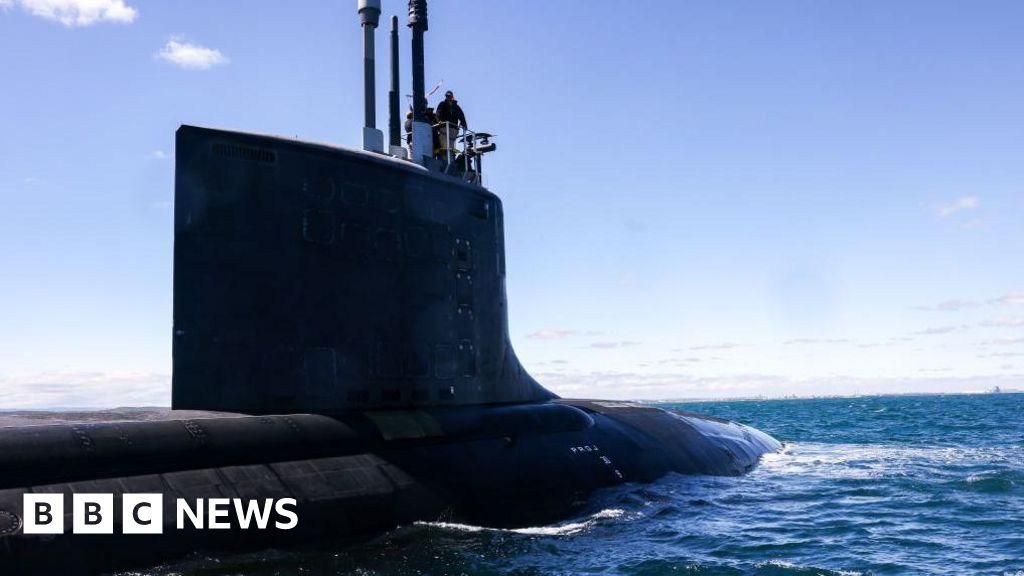
Peter Garrett, Australia’s former environment minister and Midnight Oil frontman, has launched a crowd-funded inquiry into the AUKUS submarine program, the country’s most expensive defense project at an estimated $38 billion. The independent review, announced today, will scrutinize the deal’s procurement process, cost overruns, and long-term strategic benefits amid growing public skepticism.
The inquiry, titled the "AUKUS Transparency Audit," is the first of its kind in Australia and aims to bypass traditional parliamentary oversight by relying on public donations and expert testimony. Garrett confirmed the probe will examine why costs have surged by 40% since the 2021 announcement, while delivery timelines have stretched from 2030 to 2042.
📋 By The Numbers
- $38 billion — Total estimated cost of Australia’s AUKUS submarine fleet
- $15.3 billion — Additional funds allocated in 2024 budget adjustments
- 40% — Cost increase since the 2021 deal announcement
- 2042 — Revised in-service date for Australia’s first nuclear-powered submarine
The audit comes as the Albanese government faces pressure to justify the deal, which involves a partnership with the UK and US to build eight nuclear-powered submarines. Critics argue the program lacks sufficient parliamentary scrutiny, while supporters claim it is essential for regional security amid rising tensions with China.
- Procurement transparency — The audit will demand full disclosure of contracts with UK and US defense firms, including BAE Systems and General Dynamics.
- Cost-benefit analysis — Garrett’s team will assess whether the submarines’ strategic value justifies the escalating price tag.
- Timeline accountability — The probe will investigate delays in design, construction, and workforce training.
The inquiry has already raised over $1.2 million from 26,000 individual donors, with 70% of contributions coming from amounts under $50. Garrett dismissed claims the review is politically motivated, stating, "This is about ensuring taxpayers get what they paid for—no more, no less."
| Aspect | Government Claim | Audit Findings So Far |
|---|---|---|
| Cost Stability | $38 billion fixed price | Potential $6 billion overrun by 2028 |
| Delivery Date | First submarine by 2040 | Design delays may push target to 2045 |
| Job Creation | 15,000 new jobs in SA and WA | Only 3,200 confirmed roles to date |
Defense Minister Richard Marles defended the program, citing its role in deterring regional aggression. However, the audit’s interim report, released last week, highlights discrepancies between public statements and internal cost projections. One leaked document suggests the total program expenditure could exceed $50 billion if design modifications continue.
Key Points
- 🔍 Independent audit — First crowd-funded review of AUKUS submarine deal
- 💰 $1.2 million raised — From 26,000 donors in under two months
- ⚠️ Cost risks — Potential $6 billion overrun by 2028
The audit team includes former senior defense officials, economists, and legal experts who will publish their final report in December. Garrett has called for a parliamentary debate on the AUKUS program’s future, warning that without greater transparency, public trust in defense spending could erode further.
💡 Pro Tip
Donors to the audit can request anonymity, ensuring whistleblowers and defense insiders feel safe sharing sensitive documents. The team uses encrypted channels and secure servers to protect all submissions.
Meanwhile, Labor backbenchers are increasingly vocal about the need for an internal government review, with one MP stating, "We can’t afford another white elephant project like the Collins Class submarines." The 2000s-era program saw delays, cost blowouts, and operational flaws, leaving a lasting stain on Australia’s defense procurement history.
- 📊 Defense spending — Australia’s military budget has grown 30% since 2020, with AUKUS accounting for 22% of the increase.
- 🔍 Strategic shift — The submarines are intended to counter China’s naval expansion in the Indo-Pacific.
- ⚠️ Workforce gap — Only 18% of planned submarine-related jobs have been filled, raising concerns over local industry readiness.
The audit’s outcome could influence the next federal budget and determine whether the AUKUS deal survives unscathed—or faces renegotiation. Garrett insists the review is not about scrapping the program but ensuring it delivers value. "We’re not anti-defense," he said. "We’re anti-waste."