The Premier League has slapped Chelsea with a £10.5 million fine for breaches in rules surrounding Eden Hazard’s 2019 transfer from Lille, but the punishment has been condemned as dangerously inadequate by a leading football executive.
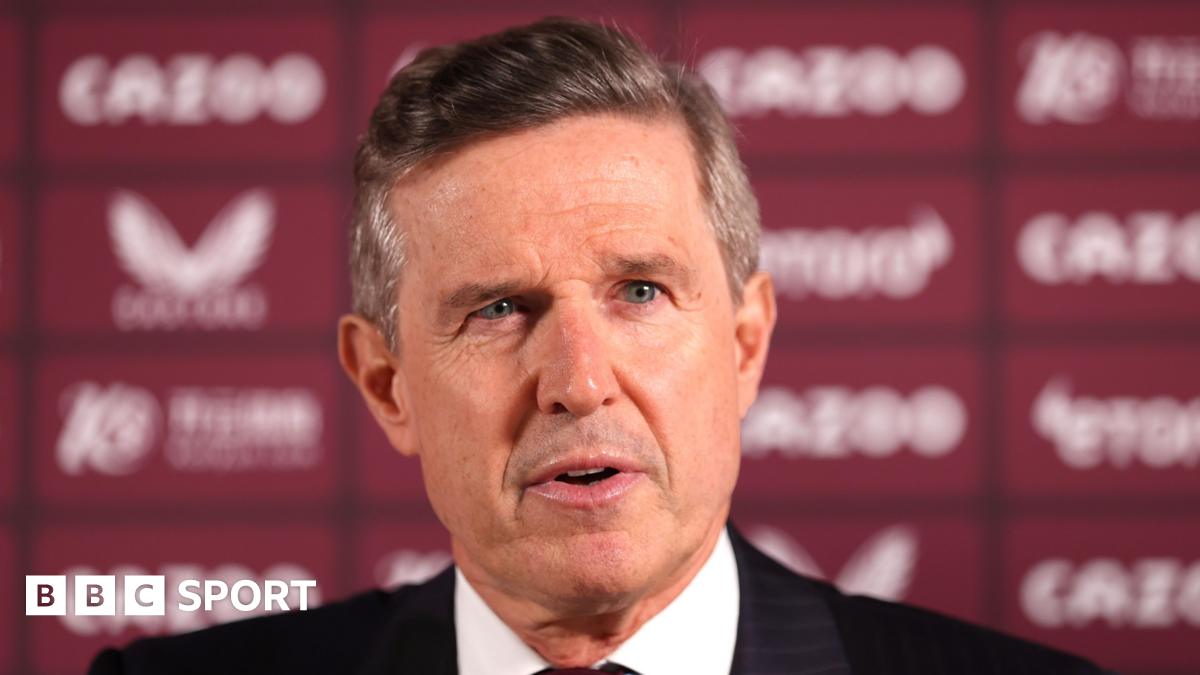
Christian Purslow, former CEO of Derby County and a vocal advocate for stricter financial governance in football, described the sanction as "extremely lenient" during an exclusive interview with this newspaper. "This fine is a drop in the ocean compared to the potential consequences Chelsea could have faced," Purslow stated. "It sets a dangerous precedent where clubs may gamble on bending rules, knowing the penalties are so mild."
Key Points
- ✅ Chelsea fined £10.5m for breaches in Eden Hazard’s 2019 transfer
- ⚡ Premier League avoids points deduction for the club
- 💡 Christian Purslow criticizes sanction as 'extremely lenient'
The investigation, concluded last week, found Chelsea guilty of failing to disclose all payments related to Hazard’s move from Lille to Stamford Bridge. While the Premier League’s independent commission acknowledged the breaches, it opted against imposing a points deduction—a decision Purslow argues undermines the league’s credibility.
| Sanction Type | Chelsea’s Case | Precedent |
|---|---|---|
| Fine Only | £10.5m | Most common for breaches of financial rules |
| Points Deduction | Not Applied | Rare, used in extreme cases like financial fair play violations |
| Transfer Ban | Not Applied | Severe, reserved for systemic rule-breaking |
A source within the Premier League’s governance team defended the decision, stating that the fine reflects the "mitigating circumstances" of the case, including Chelsea’s cooperation during the investigation. "The commission took a measured approach, balancing the severity of the breach with the club’s transparency," the source said, speaking on condition of anonymity.
💡 Pro Tip
Clubs found in breach of Premier League rules should prioritize full cooperation with investigations. Transparency can significantly reduce the severity of sanctions, as seen in Chelsea’s case where non-disclosure was the primary infraction.
The fine, while steep, pales in comparison to what Chelsea could have faced under stricter interpretations of financial regulations. In 2019, the club also avoided a potential transfer ban in a separate case involving under-18 signings, further highlighting the league’s cautious approach to punitive measures.
📋 By The Numbers
- £10.5m — Fine for transfer breaches, the second-highest in Premier League history
- 0 — Points deducted, despite breaches being deemed serious
- 2019 — Year Eden Hazard joined Chelsea from Lille
The case has reignited debates about financial fairness in the Premier League, with critics arguing that the current system allows wealthy clubs to exploit loopholes without facing meaningful consequences. "This fine is pocket change for a club like Chelsea," said sports economist Dr. Emma Hartley. "The real issue is the lack of deterrent. If the punishment doesn’t fit the crime, clubs will continue to push boundaries."
The Premier League’s independent commission has not disclosed the full details of the breach, but insiders confirm that the undisclosed payments were related to agent fees and performance bonuses linked to Hazard’s move. Chelsea, which has historically spent heavily in the transfer market, did not respond to requests for comment.
- 📊 The £10.5m fine is the second-largest ever imposed by the Premier League, trailing only the £21m fine given to Manchester City in 2023 for breaches of financial rules.
- 🔍 Chelsea’s case is the first time a top-flight club has been fined for breaches in player transfer regulations since the introduction of stricter financial oversight in 2017.
- ⚠️ Pundits warn that the leniency could encourage other clubs to take risks, knowing the league’s response is often limited to financial penalties rather than sporting sanctions.
As the Premier League prepares to tighten its financial regulations ahead of the 2026 season, the Chelsea case serves as a litmus test for how seriously the league will enforce its rules. For now, the message seems clear: break the rules, pay the price—but don’t expect it to hurt too much.