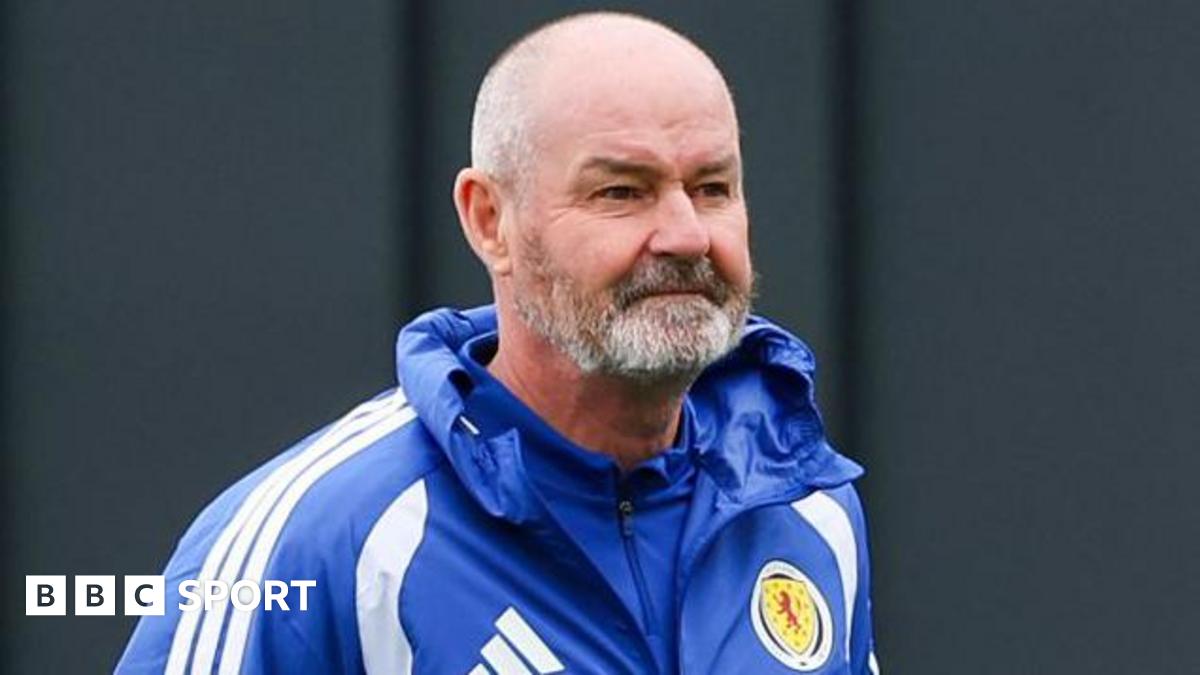
Steve Clarke has ended weeks of speculation by signing a new contract to remain Scotland’s national team head coach until 2030, just months after Euro 2024 humiliation left critics demanding his exit.
Clarke, 62, who was inducted into the Scottish Football Hall of Fame in November, admitted the Euros exit — where Scotland lost to Germany and Hungary and drew with Switzerland — sparked a public backlash. “There was a clamour for me to go,” he told BBC Scotland on Tuesday. “But I knew the players could still qualify for a World Cup. We had unfinished business.”
💡 Pro Tip
Clarke’s decision to stay hinges on continuity. Clubs and national teams often replace managers after major tournaments — but stability can be more valuable than a fresh start.
The new deal, finalized this week, ensures Clarke will remain in charge through the 2026 World Cup in the United States, Canada and Mexico, and beyond. “It’s not just about me,” he said. “It’s about keeping the squad together, giving clarity to the players, and ensuring Scottish football moves forward as one.”
Key Points
- ✅ Clarke signed a contract extension through 2030
- ⚡ He cited squad continuity and player familiarity as key reasons
- 💡 The deal was agreed before the 2026 World Cup to avoid mid-cycle disruption
Clarke initially signaled in 2023 that he might step down after the Euros, calling his exit “75% likely.” After qualifying for the tournament, he revised his stance, saying the chances of staying were “50-50.” But after a disappointing group stage, he reconsidered again — this time, firmly.
“I’ve got a better understanding of what’s next than someone coming in fresh,” Clarke said. “That was a lot of the thinking behind it.” His familiarity with a young but evolving squad, including rising talents like Ryan Porteous and Anthony Ralston, played a decisive role in his decision to stay.
| Factor | Stability (Clarke) | Change (New Manager) |
|---|---|---|
| Squad Cohesion | High — players know system and staff | Low — adjustment period likely |
| Tactical Continuity | Consistent since 2019 | Uncertain — new philosophy needed |
| Public Pressure | Managed through media and results | Could escalate with early losses |
Clarke has overseen 10 managerial changes in the Scotland squad since Euro 2020 — nine between tournaments, another nine ahead of this World Cup. He now faces a critical window to nurture the next generation, balancing experience with youth development.
📋 By The Numbers
- 10+ — Changes in Scotland’s Euro 2020 squad compared to Euro 2024
- 9 — New players introduced between Euro 2024 and the 2026 World Cup squad
“There’s a natural evolution,” Clarke said. “Some want it quickly. But we’ve shown that stability over seven years can work. And it has.” His message to critics: “You don’t fix what isn’t broken — especially when you’re on the edge of something bigger.”
- 2019 — Clarke appointed head coach after Ross McCrorie’s departure
- 2020 — Led Scotland to Euro 2020, first major tournament in 23 years
- 2024 — Guided team to Euro 2024, exited in group stage
- 2025 — Signed new contract through 2030 after internal review
- 2026 — Targets World Cup qualification and deep run in USA/Canada/Mexico
With Clarke now entrenched for the long term, the focus shifts to whether Scotland can finally progress beyond the group stage in a World Cup — or any major tournament — under his leadership. His belief in the current group remains unwavering. “The players enjoy working together,” he said. “That’s not something you can recreate overnight.”