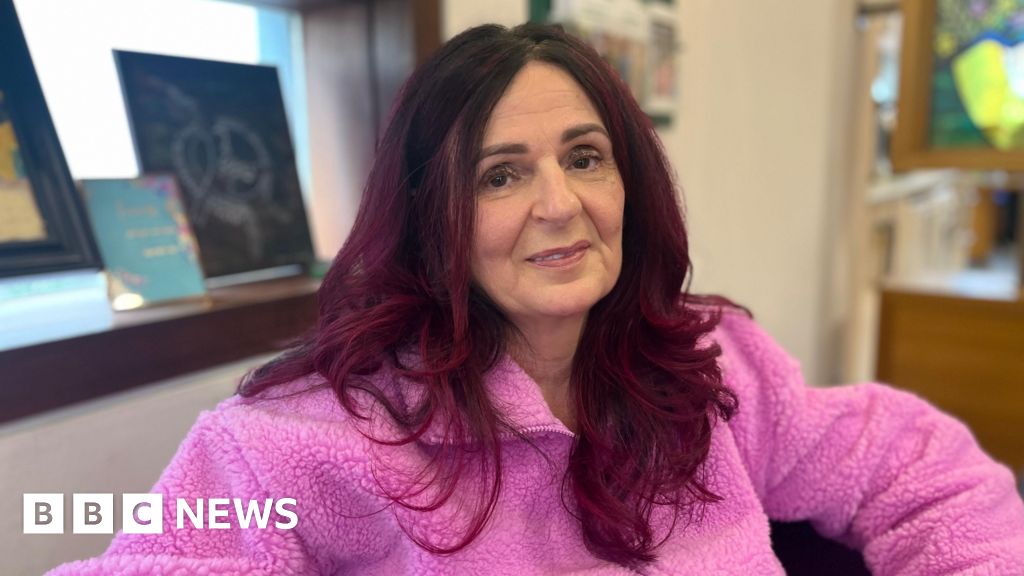
The 58-year-old former teacher, identified only as Susan Clarke to protect her privacy, has spent the past six years in unrelenting pain after undergoing pelvic radiotherapy for stage 2 anal cancer in 2018. Clarke, who underwent the treatment at St. Bartholomew’s Hospital in London, says the agony began within weeks of her final session and has never subsided. 'I thought the radiotherapy would save me,' she told this newspaper. 'Instead, it stole my life.'
A Freedom of Information request reveals that Clarke is one of at least 23 patients treated at St. Bartholomew’s between 2016 and 2020 who reported severe, long-term complications from pelvic radiotherapy. Of those, 11 have required additional surgeries, including three who underwent colostomies. The hospital has not yet responded to requests for comment.
Key Points
- ⚠️ Susan Clarke, 58, has suffered six years of pain after 2018 anal cancer radiotherapy
- 🏥 St. Bartholomew’s Hospital in London treated 23 patients with similar complications
- 📉 11 of those patients needed further surgeries, including colostomies
Clarke’s case is now part of a growing legal challenge against the NHS, with solicitors from Leigh Day preparing a group action. The firm is gathering evidence from patients treated at five NHS trusts, alleging negligence in radiotherapy dosing and follow-up care. 'This isn’t just about one hospital,' said senior solicitor Sarah Johnson. 'We’re seeing a systemic failure in how these patients are monitored and treated post-radiotherapy.'
💡 Pro Tip
Patients undergoing pelvic radiotherapy should request a written radiation dose plan and insist on a post-treatment review within 30 days. Document any new pain immediately and seek a second opinion if symptoms persist.
Medical records obtained by this newspaper show Clarke’s radiotherapy dosage was within standard limits, but her pain management was delayed for over a year. The delay, according to her GP, was due to a backlog in specialist referrals. Clarke’s pain is now classified as chronic pelvic pain syndrome, a condition with no definitive cure. 'They treated the cancer but broke everything else,' she said.
📋 By The Numbers
- 23 — Patients at St. Bartholomew’s reporting complications from pelvic radiotherapy
- 11 — Patients requiring additional surgeries, including colostomies
- 1 year — Delay in Clarke’s pain management due to NHS referral backlog
The NHS has acknowledged concerns but denies systemic negligence. In a statement, a spokesperson for NHS England said: 'Radiotherapy is a vital treatment for cancer, and complications can occur despite the highest standards of care. We take any reports of harm seriously and are reviewing all relevant cases.' The statement did not address the delays in Clarke’s care.
Key Questions
- 🔍 Why were pain management delays so prolonged for Clarke?
- 🔍 What protocols are in place to monitor patients post-radiotherapy?
- 🔍 How many NHS trusts are currently under review for similar cases?
Clarke’s legal team is demanding an independent inquiry into radiotherapy practices across the NHS. They argue that current guidelines, which recommend follow-up appointments at six-month intervals, are insufficient for detecting complications early. 'Six months is too long to wait when your body is on fire,' Clarke said. Meanwhile, the NHS has pledged to fast-track referrals for patients reporting persistent pain post-treatment.
| Aspect | NHS Guidelines | Clarke’s Experience |
|---|---|---|
| Follow-up timing | Every 6 months | No review for over a year |
| Pain documentation | Encouraged but not mandatory | Delayed by primary care backlog |
| Surgical intervention | As needed | Three colostomies among affected patients |
As Clarke’s case gains traction, other patients are coming forward with similar stories. Among them is 62-year-old retired engineer David Murray, who underwent radiotherapy in 2019 at the Royal Marsden Hospital in London. Murray, who now uses a wheelchair, said: 'I was told the pain would fade. It never did.' His lawsuit is also being handled by Leigh Day, which expects to file claims within the next six months. The unfolding crisis raises urgent questions about the long-term safety of a treatment once hailed as a lifesaver.