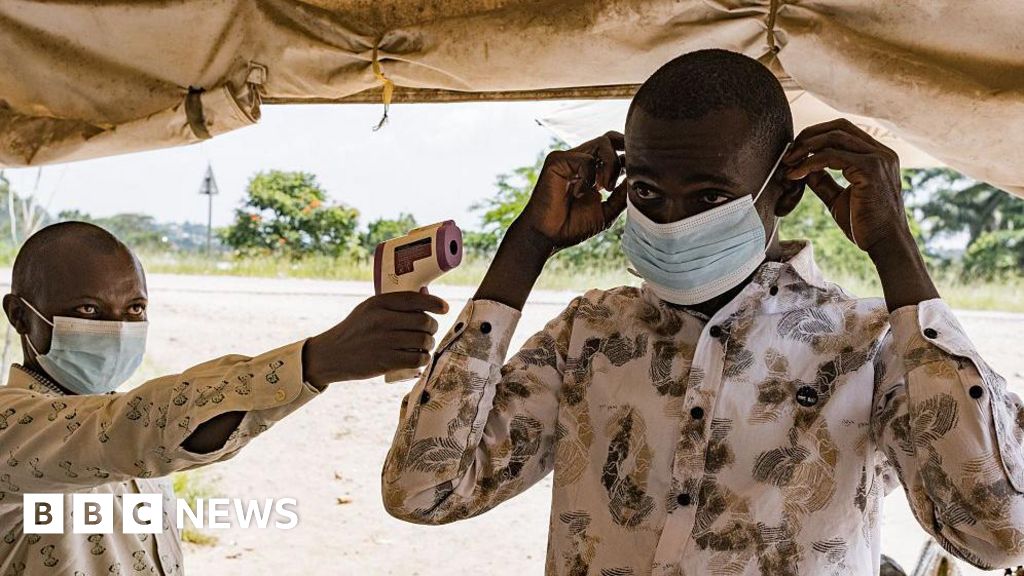
The World Health Organization raised the alarm on Tuesday after confirming 600 suspected Ebola cases and 139 deaths in the Democratic Republic of Congo, with health officials warning the outbreak could intensify in the coming weeks.
Dr. Amina Juma, WHO’s incident manager for the DRC, stated that the figures represent a sharp increase from just two months ago, when fewer than 200 cases had been recorded. The surge has overwhelmed local health facilities in Mbandaka and surrounding regions, where medical teams are struggling to contain transmission amid limited resources.
📋 By The Numbers
- 139 deaths — Case fatality rate currently stands at 23%
- 600 cases — All reported within the past four months
- 23% — Fatality rate higher than the 2018-2020 DRC outbreak, which peaked at 19%
Transmission has accelerated due to delayed detection and community resistance, particularly in rural areas where traditional burial practices and distrust of health workers persist. The WHO has deployed emergency response teams, but logistical challenges—including poor road access and ongoing conflict—have hindered efforts to distribute vaccines and protective gear.
| Region | Confirmed Cases | Deaths |
|---|---|---|
| Mbandaka | 187 | 42 |
| Gbadolite | 98 | 21 |
| Bwamanda | 76 | 19 |
| Other areas | 239 | 57 |
The DRC’s health ministry has declared the outbreak a national public health emergency, urging international support. Health workers report that the virus is spreading along trade routes, with cases now reported in three neighboring provinces. The WHO’s global preparedness team is preparing for potential cross-border spillover into Uganda and South Sudan, where surveillance has been stepped up.
Key Points
- ⚠️ Outbreak declared a national emergency in DRC
- 💉 Vaccination campaigns underway but face delays
- 🌍 WHO warns of regional spread risks
Local health officials in Mbandaka describe scenes of overwhelmed clinics, with patients being turned away due to lack of beds and supplies. Dr. Pierre Mabanga, a field coordinator with Médecins Sans Frontières, said, "The situation is deteriorating faster than our response. We need more personnel, more vaccines, and a change in community behavior to stop this."
💡 Pro Tip
Isolate suspected cases within 24 hours of symptom onset to curb transmission—early detection remains the most effective tool against Ebola.
The DRC government has restricted movement in affected zones and banned large gatherings, but enforcement is inconsistent. Meanwhile, the WHO has secured $8 million in emergency funding, though officials say it falls short of the estimated $15 million needed to fully contain the outbreak. Aid groups warn that without sustained international aid, the death toll could climb beyond 300 in the next two months.
- Vaccination rollout — Begins next week in high-risk zones
- Border surveillance — Uganda and South Sudan monitoring for cases
- Community engagement — Local leaders working to dispel myths about the virus
Epidemiologists tracking the strain confirm it matches the Sudan Ebola variant, which has no licensed vaccine, unlike the Zaire strain that ravaged West Africa in 2014-2016. This complicates response efforts, as experimental vaccines must be fast-tracked through clinical trials. The WHO has requested expedited approval from regulatory bodies to deploy unlicensed doses in the field.
