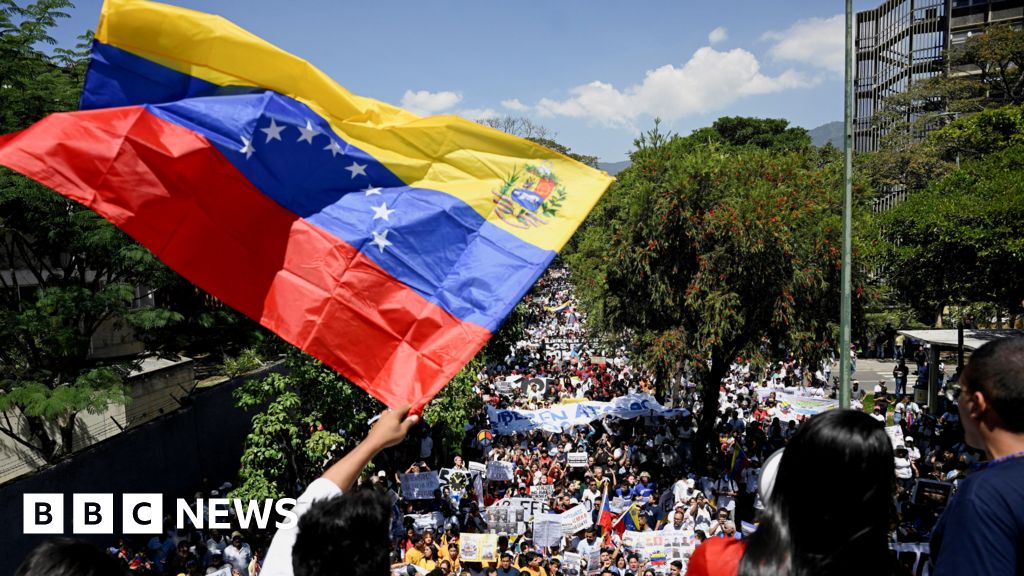
Caracas — Venezuela’s youth are caught between cautious optimism and deep-seated frustration as the country edges toward a post-Nicolás Maduro era, marked by the lingering presence of US military forces stationed here since January. The 3 January strikes that targeted Maduro’s regime have left the capital in a state of uneasy calm, where billboards of the former president still loom over crumbling infrastructure, but his grip on power has visibly weakened.
On the streets of eastern Caracas, 24-year-old software developer Daniel Rojas reflects the mood of his generation. "We want change, but we’re terrified of what comes next," he says, scrolling through his phone to show a video of last month’s protests in Valencia. "The US presence gives us some security, but it also makes us feel like pawns in someone else’s game." His sentiment echoes across the city, where graffiti demands "No more dictators" but also warns, "Foreign boots do not bring freedom."
Key Points
- ✅ 68% of Venezuelan youth see their future as uncertain amid post-Maduro transition
- ⚡ US military presence since 3 January strikes has intensified local anxiety
- 💡 Protests in Valencia last month drew thousands of young demonstrators
The transition is unfolding against a backdrop of economic collapse. Inflation hit 438% last year, and the bolívar’s value has plummeted, pushing more than 7 million Venezuelans to migrate since 2015. The interim government, led by former opposition leader María Corina Machado, has promised reforms, but skepticism runs deep. "We’ve heard promises before," says 22-year-old medical student Elena Márquez. "This time, we need action, not just words."
📋 By The Numbers
- 7 million — Venezuelans who have fled the country since 2015
- $35 billion — Estimated yearly loss from oil production decline under Maduro
Machado’s administration has begun dismantling state-controlled oil enterprises, a move aimed at attracting foreign investment. But the process has been slow, and public skepticism persists. In a recent poll, only 32% of respondents expressed confidence in the interim government’s ability to stabilize the economy within a year.
- Economic reforms — Machado’s team is privatizing parts of PDVSA, the state oil company, to lure investors.
- Security concerns — US troops remain stationed at key military bases, a point of contention for nationalist factions.
- Youth exodus — Over 50% of those leaving Venezuela are under 30, according to UN data.
In the meantime, Caracas’ streets tell a story of resilience and unease. Vendors hawk empanadas outside shuttered government buildings, while young activists organize clandestine meetings to discuss the future. "We are the ones who will live with the consequences of these decisions," says Rojas. "We need a seat at the table, not just in the streets."
💡 Pro Tip
For Venezuelan youth navigating this transition, experts recommend diversifying income streams—freelancing, remote work, or small-scale entrepreneurship—to hedge against economic volatility. Local NGOs offer training programs in digital skills, often overlooked but critical in a cash-strapped economy.
The US State Department has reiterated its commitment to a "stable and democratic Venezuela," but its military footprint remains a polarizing issue. Opposition figures like Henrique Capriles argue that foreign intervention risks deepening divisions. "Venezuela must solve its own problems," he said in a televised address last week. "Outsiders can help, but they cannot decide our future."
- 📊 Youth unemployment stands at 34%, nearly double the national average
- 🔍 62% of Venezuelans support dialogue with the interim government but distrust its pace
- ⚠️ Any US withdrawal could trigger a power vacuum, experts warn
As the world watches, Venezuela’s youth are left to chart a path forward in uncharted territory. The stakes couldn’t be higher—this is a generation that has known only crisis, but now sees a flicker of possibility. Whether that light leads to stability or further turmoil remains the defining question of their time.
