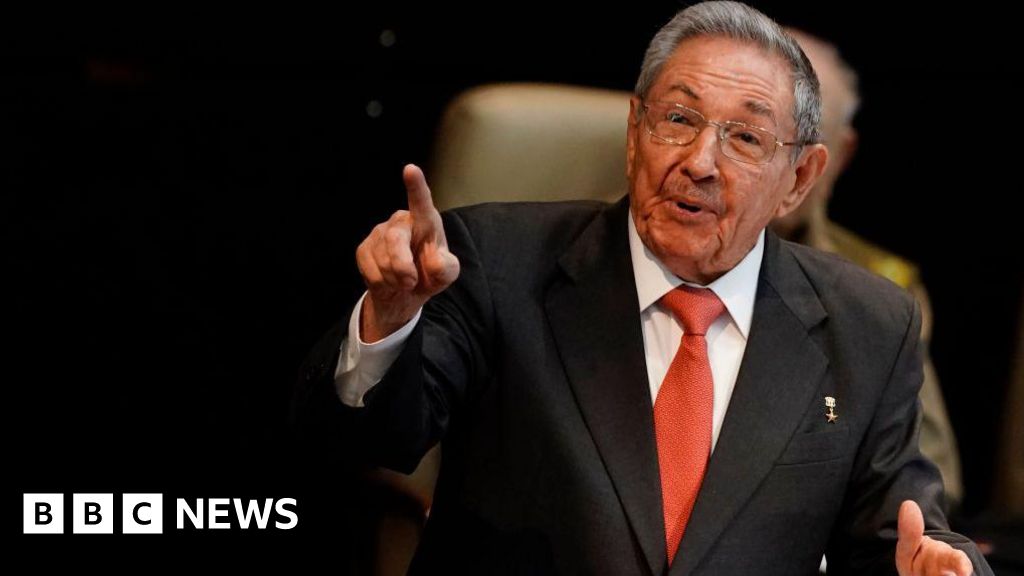
The US Department of Justice has finalized plans to indict former Cuban leader Raúl Castro within days for his alleged role in the 1996 shootdown of two civilian aircraft, a move that would make him the first foreign head of state prosecuted in an American court.
Prosecutors have reviewed evidence linking Castro, then Cuba’s defense minister, to the decision to intercept the planes operated by the Miami-based humanitarian group Brothers to the Rescue. Investigators allege the action was authorized at the highest levels of the Cuban government.
Key Points
- ⚖️ First indictment of a foreign head of state in US history
- 🗂️ Case tied to the 1996 Brothers to the Rescue incident
- 🔒 Indictment expected within days, pending final approval
Federal officials confirmed the charges will focus on conspiracy to commit murder and violations of international law. The case hinges on declassified intercepts and intelligence reports, including communications from Cuban military channels. The Justice Department has been preparing the indictment since 2023, after a federal grand jury reviewed evidence.
| Legal Outcome | Potential | Likelihood |
|---|---|---|
| Extradition request | Unlikely due to Cuba-US relations | Low |
| Trial in absentia | Possible under US law | High |
| International arrest warrant | Limited global cooperation | Moderate |
Raúl Castro, now 93, has not been in power since 2021 but remains a central figure in Cuba’s Communist Party. The indictment carries symbolic weight, signaling a shift in US prosecutorial strategy toward long-standing Cold War-era cases. Legal experts note the move could set a precedent for future actions against foreign officials accused of human rights violations.
💡 Pro Tip
US courts have previously allowed trials in absentia for foreign defendants, but enforcement remains a challenge. The Castro indictment tests the limits of extraterritorial jurisdiction.
Sources familiar with the investigation say the Justice Department notified Congress last month, triggering procedural reviews. The case emerges amid renewed scrutiny of Cuba’s human rights record, including reports of political repression and crackdowns on dissent. The Cuban government has not responded publicly but is expected to condemn the indictment as politically motivated.
- 📜 The 1996 incident led to the Helms-Burton Act, tightening US sanctions on Cuba
- 🔍 Prosecutors reviewed flights logs, radar data, and survivor testimonies
- ⚠️ Cuba has never acknowledged responsibility for the shootdown
The four men killed were Carlos Costa, Armando Alejandre Jr., Mario de la Peña, and Pablo Morales, all members of Brothers to the Rescue. The group had been monitoring Cuban airspace to document violations of Cuban airspace and assist refugees fleeing the island. The planes were shot down 20 miles off Cuba’s northern coast, sparking international outrage.
📋 By The Numbers
- 4 — Americans killed in the 1996 shootdown
- 2 — Brothers to the Rescue planes downed
- 2023 — Year federal grand jury began reviewing evidence
- 93 — Raúl Castro’s age at the time of the expected indictment
Legal analysts warn the indictment could strain US-Cuba relations further, though normalization efforts have been stalled for years. The case also raises questions about jurisdiction, as Cuba does not recognize the authority of US courts. If issued, the indictment would be the first against a former head of state since the Nuremberg trials, though enforcement would rely on international cooperation.
- October 2024 — Final review of evidence by DOJ officials
- November 2024 — Expected indictment filing
- December 2024 — Potential arraignment in absentia
The Castro family has historically avoided direct legal repercussions, despite decades of sanctions and diplomatic pressure. This indictment, however, marks a rare instance where a sitting or former foreign leader faces direct legal consequences in the US. The outcome could influence future prosecutions of foreign officials under universal jurisdiction principles.
