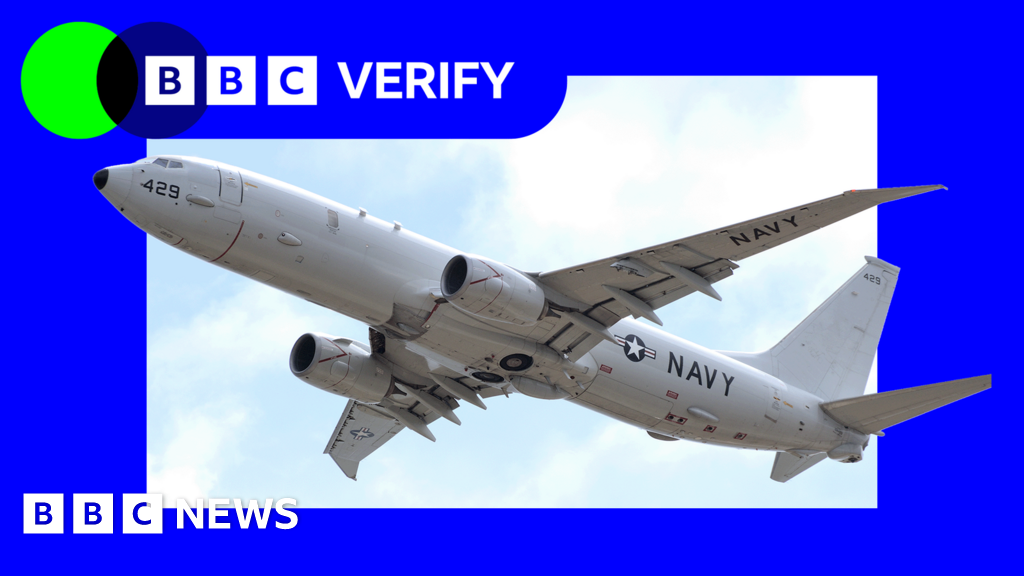
For the first time in years, unmarked US military surveillance aircraft—including high-altitude drones and fighter jets—have been detected by civilian flight-tracking platforms in sustained orbits near Cuban airspace, their transponders broadcasting real-time coordinates as they circle within radar range of Havana, Santiago de Cuba, and the strategically vital Guantánamo Bay.
Pentagon officials confirmed the activity, stating the flights are part of a "routine reassurance posture" aimed at monitoring Cuban military movements, though diplomats in Washington and Havana describe the timing as unusually aggressive. A senior defense source, speaking on condition of anonymity, said the surge reflects a broader shift in US strategy toward "visible deterrence" after a series of alleged Havana-linked espionage cases and cyber intrusions targeting American targets in Florida.
Key Points
- ✅ US military surveillance flights over Cuba now visible on public flight-tracking sites
- ⚡ Pentagon cites "routine reassurance posture" but timing seen as unusually aggressive
- 💡 Analysts log 17 flights in 72 hours using ADS-B data
The flights include MQ-9B Reaper drones, RC-135 Rivet Joint reconnaissance planes, and F-22 Raptors, all operating from bases in Florida and the Caribbean. One flight, tracked on Tuesday, descended to 25,000 feet as it passed within 50 nautical miles of Havana’s harbor, a maneuver typically reserved for probing air defense readiness. Cuban state media has not commented, but a former Cuban air force officer told this newspaper that such incursions have become daily occurrences since March, a period that coincides with stalled talks over migration and security cooperation.
| Flight Type | Altitude | Purpose |
|---|---|---|
| MQ-9B Reaper | 30,000–35,000 ft | Persistent surveillance |
| RC-135 Rivet Joint | 32,000 ft | Signals intelligence |
| F-22 Raptor | 40,000+ ft | Air dominance & escort |
Analysts at the Center for Strategic and International Studies (CSIS) describe the pattern as a "digital shadow war," where the US leverages transparency—via public flight data—to signal resolve without overt confrontation. "It’s a calculated pressure tactic," said Maria Fernanda Bozmoski, deputy director of CSIS’s Americas Program. "The US is using the visibility of these flights to remind Havana that it cannot operate in the shadows—especially on cyber and migration issues."
💡 Pro Tip
Open-source flight trackers like Flightradar24 are now the front lines of geopolitical signaling. Analysts say patterns in altitude, speed, and route often reveal intent before official statements emerge.
In Havana, diplomats privately acknowledge the flights but downplay their significance, calling them "standard monitoring" in a region where maritime and airspace violations have long been mutual. Still, the timing coincides with a sharp rise in US Coast Guard interdictions of Cuban migrants—543 in April alone, up 40% from 2023—and the expulsion of two Cuban diplomats from Washington last week over espionage allegations. The State Department has not directly linked the flights to these events, but a senior administration official, speaking anonymously, said the "totality of actions" sends a clear message: "Cuba must choose between engagement or escalation."
📋 By The Numbers
- 543 — Cuban migrants interdicted by US Coast Guard in April 2025
- 40% — Increase in interdictions compared to April 2024
- 2 — Cuban diplomats expelled from Washington last week
- 50 — Nautical miles from Havana harbor flown by a US jet on Tuesday
Cuban officials have not responded to requests for comment, but the absence of official condemnation contrasts sharply with past crises. In 2021, Havana protested publicly after US planes flew within 12 nautical miles of its coast. This time, silence may be tactical—a sign that Cuba is avoiding escalation while assessing Washington’s endgame. Meanwhile, regional analysts warn that the aerial pressure could backfire, pushing Havana closer to Moscow or Beijing for support, especially after last month’s joint naval exercises with Russia in the Caribbean.
- 📊 The US has flown 17 surveillance missions near Cuba in 72 hours—triple the monthly average in 2024
- 🔍 Flight altitudes have dropped in recent weeks, suggesting deeper penetration into Cuban air defense zones
- ⚠️ Experts warn that continued pressure risks pushing Cuba into a tighter alliance with Russia, complicating US security goals in the Caribbean
The Biden administration has not detailed how long the flights will continue, but defense analysts expect them to intensify ahead of the June 15 deadline for Cuba’s response to a new US proposal on migration and security. Whatever Havana decides, the skies over Cuba are no longer quiet—and the world is watching.