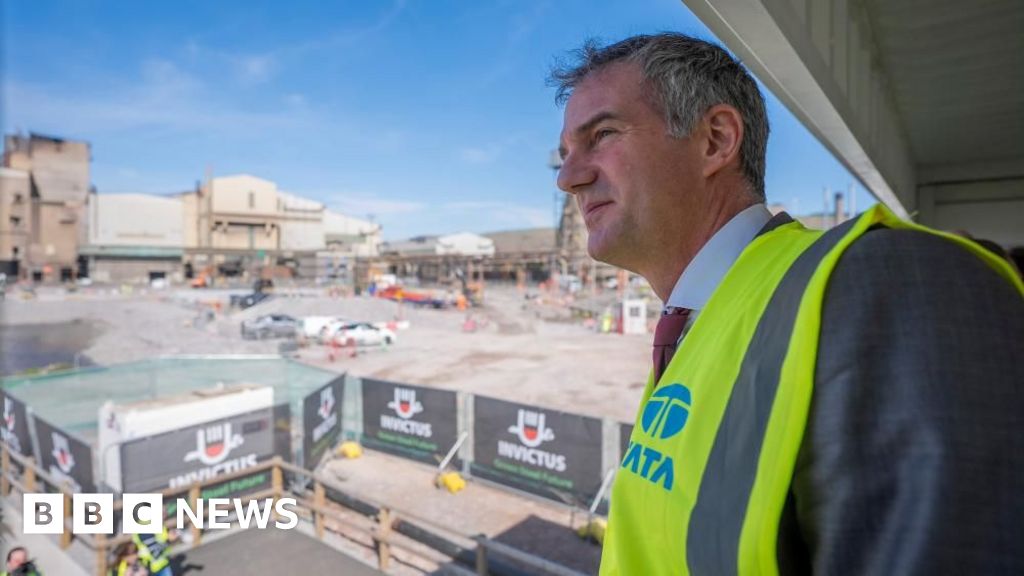
LONDON — The UK government has launched an ambitious plan to revive its steel industry, vowing to cut dependence on foreign imports by 2030. Chancellor Rachel Reeves on Wednesday announced a 50% domestic production target, paired with new tariffs on imported steel to fund a £6 billion green transition fund for the sector.
Under the strategy, steelmakers will receive tax incentives to modernize facilities, while overseas producers will face steep tariffs up to 25% on shipments entering the UK market. The move aims to protect 18,000 jobs currently at risk due to cheaper imports flooding the market.
Key Points
- 🔫 50% domestic production target by 2030
- 💰 Up to 25% tariffs on imported steel
- 🏭 £6 billion allocated for green steel transition
- 📉 Cuts reliance on 70% imported steel in 2024
The plan follows warnings from industry leaders that the sector could collapse without intervention. British Steel, the UK’s largest producer, confirmed it would invest £1.2 billion in its Scunthorpe plant to upgrade to low-carbon production methods. Tata Steel also pledged £500 million for its Port Talbot facility.
📋 By The Numbers
- 18,000 — Jobs at risk from cheap imports
- 70% — UK steel demand met by imports in 2024
- 25% — Maximum tariff on imported steel
- £1.2bn — British Steel’s investment in Scunthorpe
Critics argue the tariffs could trigger retaliatory measures from trading partners, raising costs for UK manufacturers. The Engineering Employers’ Federation warned that a 25% tariff could add £3,200 annually to the average car built in Britain, escalating supply chain pressures.
| Steel Source | 2024 Import Cost | 2026 Projected Cost |
|---|---|---|
| EU | £450/tonne | £562/tonne |
| China | £380/tonne | £475/tonne |
| UK Domestic | £520/tonne | £490/tonne |
The government insists the long-term benefits outweigh short-term costs, citing a 20% reduction in carbon emissions from green steel production. Industry analysts project the plan could add £2.3 billion to the UK economy annually by 2035 if successful. Steel unions have welcomed the move but demand stricter enforcement to prevent illegal dumping of cheap foreign steel.
💡 Pro Tip
Manufacturers should renegotiate contracts with suppliers immediately to lock in prices before tariffs take full effect in 2026.
Environmental groups applauded the green transition funding but called for clearer penalties on high-carbon steel imports. The plan aligns with the UK’s broader decarbonization goals, targeting net-zero emissions in the steel sector by 2050.
- 📊 20% carbon reduction projected from green steel investments
- 🔍 Trade partners may retaliate, increasing costs for UK exporters
- ⚠️ Illegal steel dumping could undermine domestic producers
The government will unveil further details in a white paper next month, including regional support packages for workers transitioning to green jobs. Steel towns like Port Talbot and Scunthorpe are expected to benefit from retraining programs funded by the £6 billion transition pot.