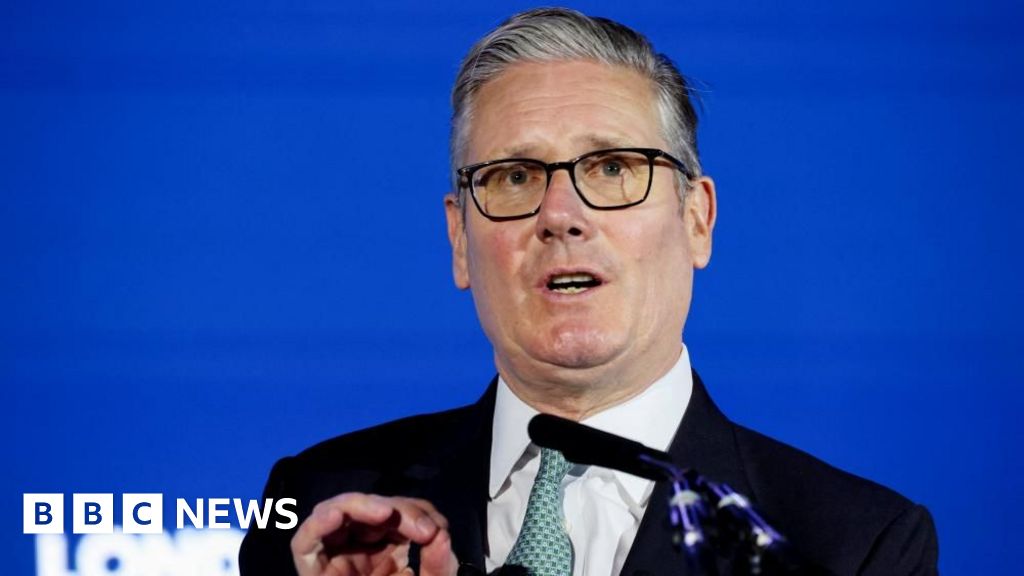
The British government will introduce the most stringent controls on children’s social media use yet seen in the UK, with Prime Minister Keir Starmer set to unveil the policy within seven days. The crackdown targets platforms including TikTok, Instagram, and Snapchat, requiring mandatory age verification and defaulting all under-16 accounts to the strictest privacy settings. Violations could trigger fines up to £18 million for non-compliant companies.
Under the policy, social media firms must implement age checks at sign-up, with biometric verification or government-issued ID as the primary methods. Platforms failing to comply face penalties of up to 10% of their global annual revenue, aligning with the Digital Services Act’s enforcement thresholds. The restrictions come amid mounting pressure from parents’ groups and child welfare advocates, who argue current protections are insufficient.
Key Points
- ✅ Mandatory age verification for all under-16s within 30 days of policy announcement
- ⚡ Default privacy settings to ‘private’ for all child accounts, disabling location sharing and direct messaging
- 💡 Fines up to £18 million or 10% of global revenue for non-compliance
Tech giants including Meta and ByteDance have privately expressed concerns over the feasibility of age verification at scale, particularly for younger users. A senior government source confirmed that the policy will be phased in, starting with the strictest measures for under-13s before expanding to 14-15-year-olds within 12 months. Schools will also be required to integrate digital literacy programs into the curriculum by 2026.
| Platform | Current Under-16 Users | 2025 Compliance Requirement |
|---|---|---|
| TikTok | 12.5 million | Age verification + private-by-default |
| 8.7 million | AI-driven age detection + parental controls | |
| Snapchat | 6.2 million | Government ID verification for under-13s |
The policy mirrors steps already taken in the EU and parts of the US, but the UK’s enforcement mechanisms are among the most aggressive globally. Child safety campaigners praised the move, while digital rights groups warn of potential privacy risks from mandatory biometric checks. The Information Commissioner’s Office will oversee compliance, with a dedicated task force launching in January 2025. Home Secretary Yvette Cooper emphasized the urgency, stating, “We cannot wait for another generation to grow up exposed to online harms.”
📋 By The Numbers
- 1 in 3 — Children aged 5-15 report experiencing bullying online, Ofcom 2023
- 42% — Parents unaware of their child’s exposure to inappropriate content, NSPCC survey
Industry analysts predict the changes will reshape the social media landscape, particularly for platforms reliant on underage engagement. A senior executive at a major tech firm, speaking on condition of anonymity, admitted the UK’s approach could set a global precedent. “If this works, it won’t be long before others follow,” the executive said. The policy will be formally introduced in the King’s Speech on November 7, with legislation expected to pass by March 2025.
💡 Pro Tip
Parents should prepare for delays in age verification rollouts by setting up family sharing controls now to preempt platform lockouts.
Critics argue the policy may drive underage users toward less regulated platforms or VPNs, creating new risks. The government has pledged to invest £50 million in a public awareness campaign to mitigate these unintended consequences. Meanwhile, opposition parties have called for stricter penalties, including criminal liability for executives at repeat offenders. Labour’s digital strategy spokesperson dismissed concerns, stating, “Safety cannot be an afterthought.”
- October 30 — Policy announcement in King’s Speech
- January 2025 — Age verification task force launches
- September 2025 — Full enforcement begins for under-13s
- March 2026 — Compliance deadline for all under-16s
As the UK takes a hardline stance, social media companies are scrambling to adapt. Meta has already begun testing age verification tools in the UK, while TikTok has partnered with third-party verification services. Analysts warn that the transition period could see temporary service disruptions, particularly for younger users. The government has assured the public that support systems will be in place to assist families during the shift.
- 📊 68% of parents support mandatory age checks, according to a YouGov poll conducted last week
- 🔍 TikTok’s internal data shows 30% of its UK users are under 18, despite its 13+ age policy
- ⚠️ VPN usage among teens could surge by 40% post-policy, cybersecurity firm NordVPN warns
The policy arrives as Parliament debates the broader Online Safety Bill, which includes provisions for age verification on pornographic sites. With Labour’s majority, the social media restrictions are expected to pass without significant amendments. The move underscores a broader shift in the UK’s approach to digital governance, prioritizing child protection over industry flexibility.