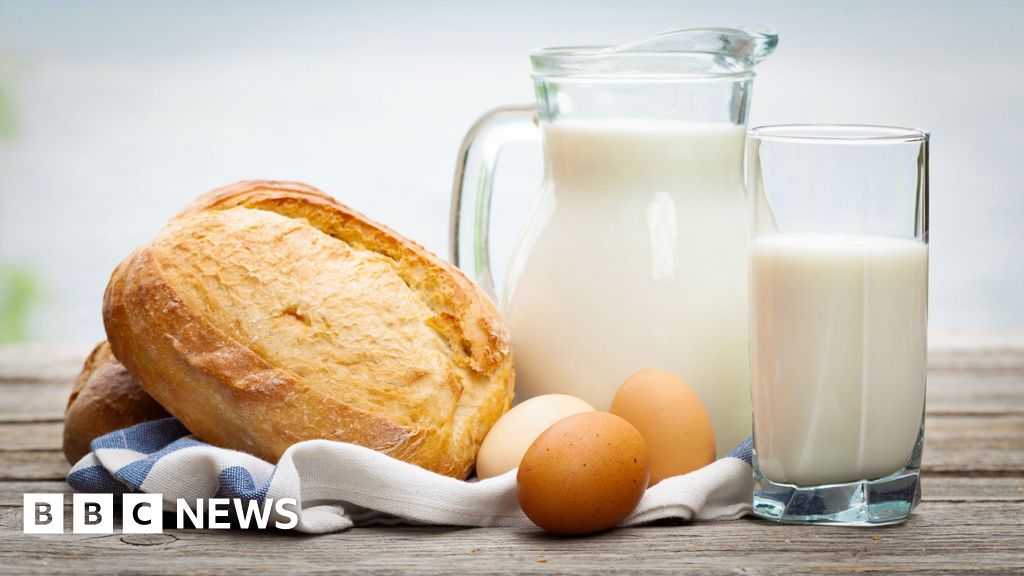
Britain’s weekly grocery bill has ballooned by £103 since 2020, new figures show, with families now spending an average of £345 on food and drink compared to £242 in March 2020—a 42% surge driven by inflation, supply chain shocks, and soaring energy costs. The starkest increases hit core staples: six eggs now cost £1.50, up from £1, while a pint of milk has risen 40p to £1.45 and a standard loaf of bread now averages £1.75, nearly doubling from £1.10 five years ago.
Data from the Office for National Statistics (ONS) and retail analytics firm Kantar reveals the crisis is deepening, with the poorest households—those earning under £25,000 annually—spending 28% of their income on food, compared to just 11% in 2020. Supermarkets including Tesco, Sainsbury’s, and Aldi have reported record profits, yet price cuts remain elusive for staples like pasta, which has climbed 60% to £1.20 a kilo, and minced beef, now £8.50 a kilo versus £5.90 in 2020.
Key Insights
- ⚠️ Average household weekly grocery spend up 42% since 2020
- 📈 Six eggs now £1.50, bread £1.75, milk £1.45
- 💸 Low-income families spending 28% of income on food
The price hikes coincide with a 12% drop in real wages since 2020, according to the Bank of England, and a 300% spike in energy bills that has forced food producers to raise prices to survive. Farmers’ unions warn that further increases are likely unless energy costs stabilize or government intervention occurs. Meanwhile, food banks report a 40% rise in demand for staples like tinned vegetables and rice, with Trussell Trust food banks alone distributing 2.1 million three-day emergency food parcels in 2024.
| Staple Item | 2020 Price | 2025 Price | % Increase |
|---|---|---|---|
| Six eggs | £1.00 | £1.50 | 50% |
| Loaf of bread | £1.10 | £1.75 | 59% |
| Pint of milk | £1.05 | £1.45 | 38% |
| 500g pasta | £0.75 | £1.20 | 60% |
| 1kg minced beef | £5.90 | £8.50 | 44% |
Retailers point to global factors—Russia’s invasion of Ukraine disrupting grain exports, extreme weather crippling harvests in Spain and North Africa, and rising transport costs—as primary drivers. Yet campaigners argue supermarkets are exploiting the crisis. "The big chains are making record profits while families skip meals," said Emma Revie, chief executive of the Trussell Trust. "Prices should be falling now, not still climbing."
📋 By The Numbers
- 42% increase in average weekly grocery spend since 2020
- 2.1 million emergency food parcels handed out by Trussell Trust in 2024
- 300% rise in energy bills since 2020 for food producers
- 12% fall in real wages since 2020
Government response has been limited. Chancellor Rachel Reeves has pledged £150 million in support for food banks but ruled out direct price controls. Meanwhile, the Competition and Markets Authority (CMA) has launched an investigation into potential price-gouging by supermarkets, following reports of inconsistent discounting and shelf pricing discrepancies. The inquiry, due to report later this year, could force retailers to justify margins or face regulatory action.
💡 Pro Tip
Consumers cutting costs should prioritise own-brand products, which are on average 30% cheaper than branded equivalents, and shop at discount chains like Aldi or Lidl, where staple prices are consistently lower than in traditional supermarkets.
The crisis shows no sign of abating. Analysts at Barclays predict grocery inflation will remain above 5% until at least mid-2026, with bread and dairy prices expected to rise another 10% by year-end. For millions, the weekly shop is no longer just about feeding families—it’s a calculation of survival.
- 🔍 Supermarkets’ gross margins on staples have risen 4% since 2020, per CMA filings
- ⚠️ Energy-intensive producers like dairy farmers face unsustainable costs without subsidies
- 📊 Discount chains now hold 27% of the UK grocery market, up from 22% in 2020
