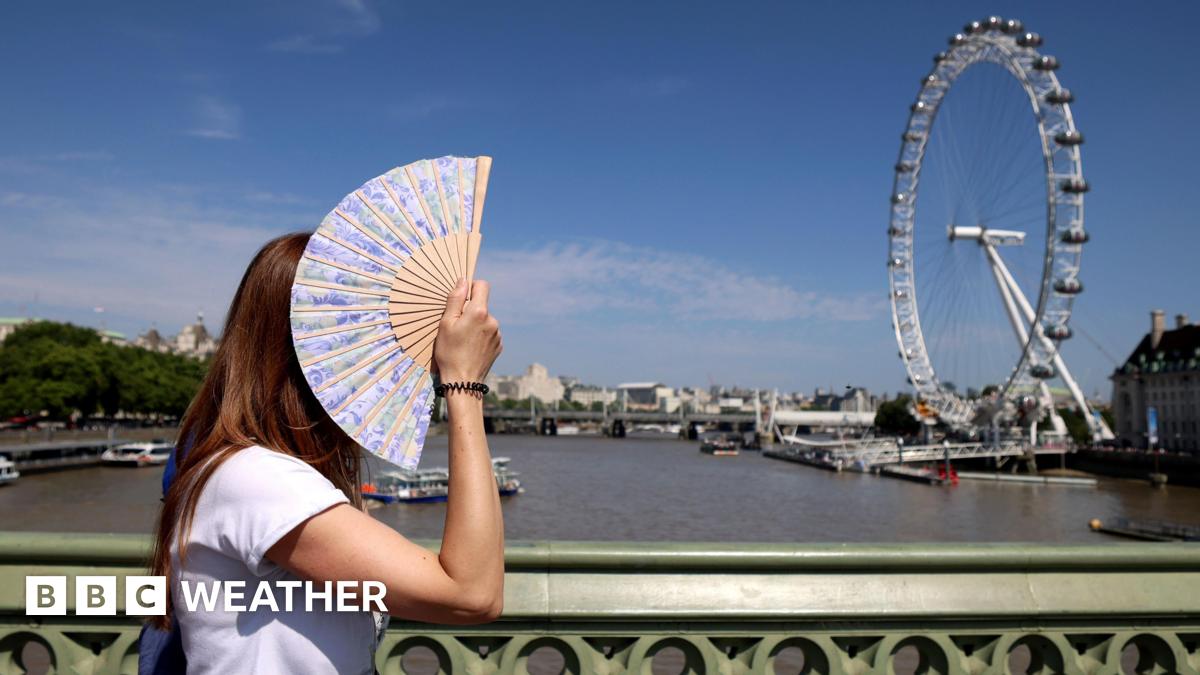
The UK is on course for record-breaking May temperatures as a prolonged heatwave grips the nation over the long bank holiday weekend. Forecasters at the Met Office predict that parts of England will exceed 30°C from Friday, marking the earliest such spike since 1952.
The UK Health Security Agency (UKHSA) has activated heat health alerts across the Midlands and south-east England, effective from 9 a.m. Friday until 5 p.m. Wednesday. The alerts cover counties where sustained temperatures are expected to exceed local heatwave thresholds—28°C in Greater London and 27°C in the Midlands—for at least three consecutive days.
Key Points
- ⏳ Earliest 30°C in the UK since 1952 if achieved before Monday
- 🌡️ Heatwave thresholds triggered in London and south Midlands by Friday
- ⚠️ UKHSA alerts active from Friday morning through to Wednesday evening
London and the south Midlands are the first regions expected to meet the Met Office’s heatwave criteria, with temperatures climbing daily from the current mid-20s. The warmest day of 2026 so far was recorded on April 8 in London, where Kew Gardens registered 26.6°C. If the forecast holds, this weekend could obliterate that record by more than 3°C.
📋 By The Numbers
- 26.6°C — Previous 2026 high, set at Kew Gardens on April 8
- 28°C — London’s heatwave threshold, the highest in England
- 25°C — Heatwave threshold in Scotland and Northern Ireland, the lowest in the UK
The driving force behind the unseasonable heat is a shift in the jet stream, which will push colder northern winds northward and allow a surge of hot air from southern Europe and North Africa. This pattern contrasts sharply with last week’s chilly northerly blast, which brought temperatures down to the mid-teens in some areas.
While southern and central England brace for the peak, northern regions and Scotland will see temperatures remain below the heatwave threshold, though still warmer than seasonal norms. Northern Ireland and Scotland are expected to reach only the low-20s, with scattered showers lingering into Wednesday.
💡 Pro Tip
Check your local heatwave thresholds on the Met Office website—counties like Kent and Surrey hit 27°C will trigger alerts, while London requires 28°C for three days straight.
Rainfall deficits in southern and eastern England have been stark this spring, with some areas receiving less than a third of their usual precipitation up to May. The sudden switch to dry, hot conditions follows a week of persistent downpours that alleviated drought fears but left surfaces sodden. By Thursday, the rain is expected to clear entirely across England and Wales, though Scotland and Northern Ireland may still see intermittent showers.
| Region | Peak Temp (°C) | Heatwave Status | Alert Level |
|---|---|---|---|
| Greater London | 30 | Likely from Friday | Heat health alert active |
| South Midlands | 29 | Likely from Saturday | Heat health alert active |
| East Anglia | 28 | Possible from Sunday | Monitoring zone |
| South-west England | 27 | Unlikely | Standard advisory |
| Scotland | 23 | Unlikely | None |
The Met Office cautions that while the heatwave’s duration is expected to last until mid-next week, there remains a chance of a cooler shift from Thursday onward. However, even if temperatures drop, the weekend’s spike will still stand as the warmest stretch of 2026 to date.
- Friday — Temperatures reach 30°C in the south-east, triggering heatwave status in London and the south Midlands.
- Saturday — The heatwave expands into East Anglia and the East Midlands, with widespread 28-29°C readings.
- Sunday — Peak heat day for most regions, with southern England nearing or exceeding 30°C.
- Monday — Temperatures begin to ease slightly but remain above seasonal averages, while northern regions stay cooler.
The UKHSA has urged residents in alert zones to take precautions, particularly for the elderly, young children, and those with pre-existing health conditions. Simple measures—such as staying hydrated, avoiding midday sun, and checking on vulnerable neighbors—can significantly reduce heat-related risks.
- 📊 The last time England recorded a May 30°C was in 2005, while Scotland’s last May 30°C was in 2012.
- 🔍 High pressure to the east will funnel hotter air northward, sustaining the heatwave through midweek.
- ⚠️ Even regions not under heatwave alerts will see temperatures 5-7°C above the May average.
With the bank holiday weekend coinciding with the heatwave’s peak, public health officials are bracing for increased demand on emergency services and care facilities. The NHS has activated its heatwave plan, urging hospitals to prioritize admissions for heat exhaustion and dehydration cases.