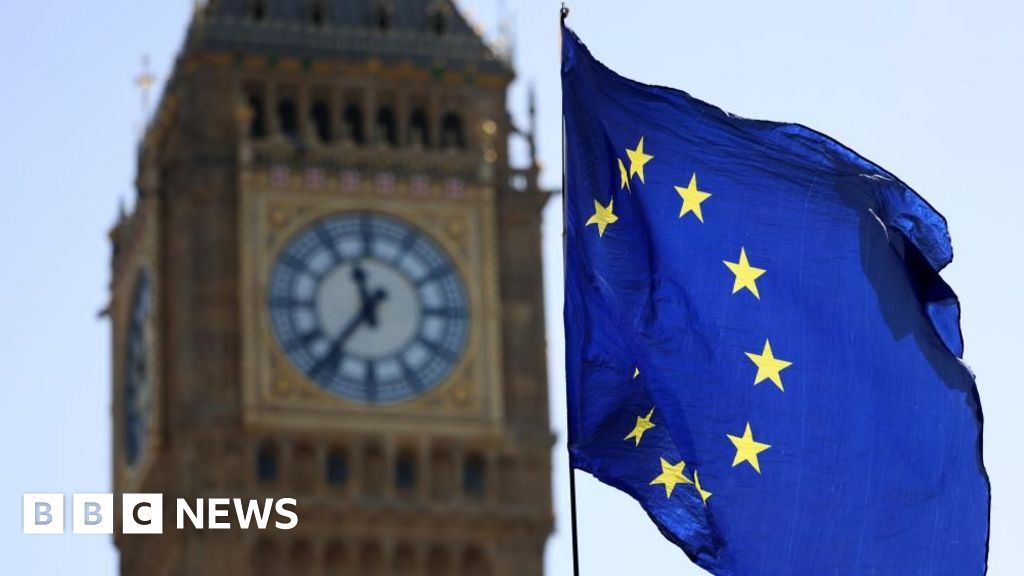
British and European Union negotiators have begun secret talks to establish a single market limited to goods, aiming to slash tariffs and regulatory hurdles that have battered trade since Brexit. Sources within both governments confirmed the discussions are in their infancy but represent the most concrete step yet toward rebuilding economic ties frayed by years of confrontation.
Under the emerging framework, the initiative would prioritise tariff-free movement of industrial and agricultural products while excluding services, labour mobility, and capital flows. Senior officials from London and Brussels have held at least three closed-door sessions since March, with the latest meeting in Strasbourg last week focusing on aligning product standards and conformity assessments.
Key Points
- ✅ Limited to goods only, excluding services and labour
- ⚡ Aimed at reducing tariffs and regulatory barriers
- 💡 Phased rollout could begin as early as 2025
The proposal marks a dramatic shift from the UK’s 2016 referendum stance, where sovereignty over standards and regulations was a red line. A Whitehall source described the talks as "pragmatic damage control," adding: "Neither side can afford another round of economic stagnation. The political cost of failure is too high."
💡 Pro Tip
Retailers and manufacturers should prepare for potential changes to labelling and certification rules. Aligning with EU norms early could prevent costly delays.
Critics argue the plan risks entangling Britain in Brussels’ regulatory orbit without regaining lost influence. "This is a single market in name only," said Catherine McGuinness, former City of London policy chief. "It offers no seat at the table, no vote on future rules—just compliance."
| Aspect | Current System | Proposed Single Market |
|---|---|---|
| Tariffs | Variable, up to 12% on some goods | Zero tariffs on covered goods |
| Regulatory Alignment | Divergent standards | Harmonised product rules |
| Customs Checks | Frequent delays | Reduced inspections |
European Commission officials insist the proposal remains non-binding, stressing it would require unanimous approval from all 27 member states. But diplomats in Brussels suggest the plan enjoys quiet backing from Germany and the Netherlands, who see it as a pragmatic alternative to full reintegration.
📋 By The Numbers
- 12% — Maximum tariff on some goods under current UK-EU trade terms
- £30 billion — Estimated annual trade losses due to regulatory divergence since Brexit
The UK’s Department for Business and Trade declined to comment, while the European Commission confirmed "exploratory discussions" but denied any formal agreement. However, a senior EU diplomat confirmed the talks are gaining traction, stating: "We are not talking about a customs union or single market 2.0. This is a surgical approach to restore what was lost."
- Regulatory Alignment — Goods must meet EU standards to qualify for tariff-free trade.
- Tariff Elimination — Covers 90% of industrial and agricultural products initially.
- Phase-In — Starts with high-demand sectors like pharmaceuticals and machinery in 2025, expanding to others by 2027.
Industry groups have cautiously welcomed the plan. The Society of Motor Manufacturers and Traders noted that harmonised standards could save the automotive sector £1.2 billion annually. But small businesses warn of the costs of compliance, particularly for those already struggling with post-Brexit paperwork.
- 📊 UK goods exports to the EU fell 18% since 2020, per ONS data.
- 🔍 Germany and Netherlands push for deeper integration to protect supply chains.
- ⚠️ Sectors like financial services remain excluded, limiting broader economic impact.
The proposal arrives as both sides face mounting economic pressures. The UK’s GDP growth has stagnated, while the EU grapples with sluggish demand and industrial competitiveness challenges. A senior UK official dismissed concerns about sovereignty, arguing that the plan "restores stability without surrendering control."
