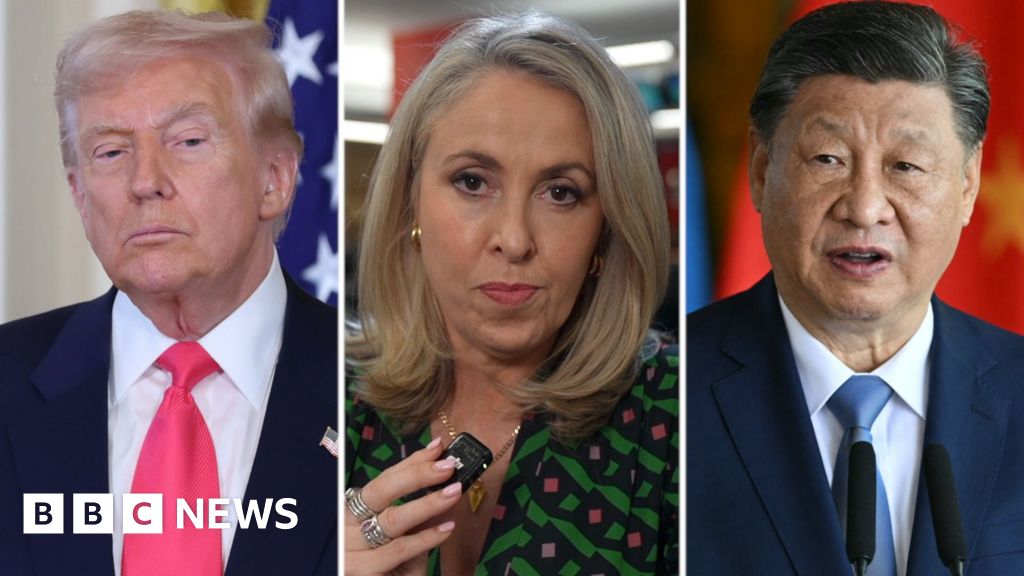
President Donald Trump will arrive in Beijing on Monday for a long-anticipated meeting with Chinese President Xi Jinping, just days after the Trump administration seized an Iranian-flagged cargo ship in the Gulf of Oman. The talks, scheduled for two days, will focus on Iran’s recent attacks on shipping lanes, US-China trade imbalances, and restrictions on critical technology exports. Sources within the White House say Trump is prepared to deliver an ultimatum on China’s support for Tehran, warning that continued backing could trigger further economic penalties.
Key Points
- ⚠️ Trump and Xi to meet Monday in Beijing
- 🔍 Iran conflict and trade dominate agenda
- 💡 US seizes Iranian ship in Gulf of Oman
The meeting follows a week of escalating tensions in the Strait of Hormuz, where three commercial vessels were attacked in separate incidents. The US Fifth Fleet, based in Bahrain, has increased patrols and deployed additional destroyers in response. Meanwhile, China has maintained a cautious stance, calling for diplomatic restraint while warning against unilateral military action in the region.
| Aspect | US Position | China’s Position |
|---|---|---|
| Iran Sanctions | Demands full compliance | Calls for negotiations |
| Trade Imbalance | Seeks tariff reductions | Insists on mutual concessions |
| Technology Restrictions | Pushes for stricter controls | Resists further limits |
In Islamabad, US Vice President JD Vance concluded 21 hours of negotiations with Iranian officials, announcing that Tehran had ‘chosen not to accept our terms’ ahead of the deadline. The failure to secure a deal has raised concerns about a potential military response, with Trump warning in a televised address that ‘a whole civilization will be at risk’ if Iran does not reopen the Strait of Hormuz by Friday.
Analysts say Xi’s leverage in the talks may hinge on his ability to mediate between Washington and Tehran. China imports nearly 10% of its oil from Iran and has historically opposed sanctions. However, recent attacks on Chinese-owned ships in the Gulf have forced Beijing to reconsider its neutral stance. A senior Chinese diplomat told reporters that Xi would not ‘bow to pressure’ but would seek a compromise to avoid further destabilization.
💡 Pro Tip
Diplomats familiar with the talks warn that any deal will require immediate verification mechanisms, as past agreements have collapsed due to unverified compliance.
The Trump administration has also stepped up pressure on domestic fronts, with the Department of Homeland Security exploring detention centers near conservative strongholds like Social Circle, Georgia. Residents in the area, a mix of Republicans and Democrats, have organized protests, citing concerns over civil liberties and local infrastructure strain. Meanwhile, fuel prices remain volatile, with some US drivers crossing into Native American lands for tax-exempt gasoline, underscoring economic strain amid geopolitical instability.
📋 By The Numbers
- 3 — Commercial vessels attacked in the Strait of Hormuz this week
- 10% — Share of China’s oil imports sourced from Iran
- $7.2 billion — Estimated daily cost of a prolonged Strait of Hormuz closure
As the world watches, the outcome of the Trump-Xi meeting could redefine global trade routes and military alliances. A failure to reach an accord may push the US toward military action, while China’s response could determine whether Iran’s isolation deepens or if a new axis of resistance forms in the region.
