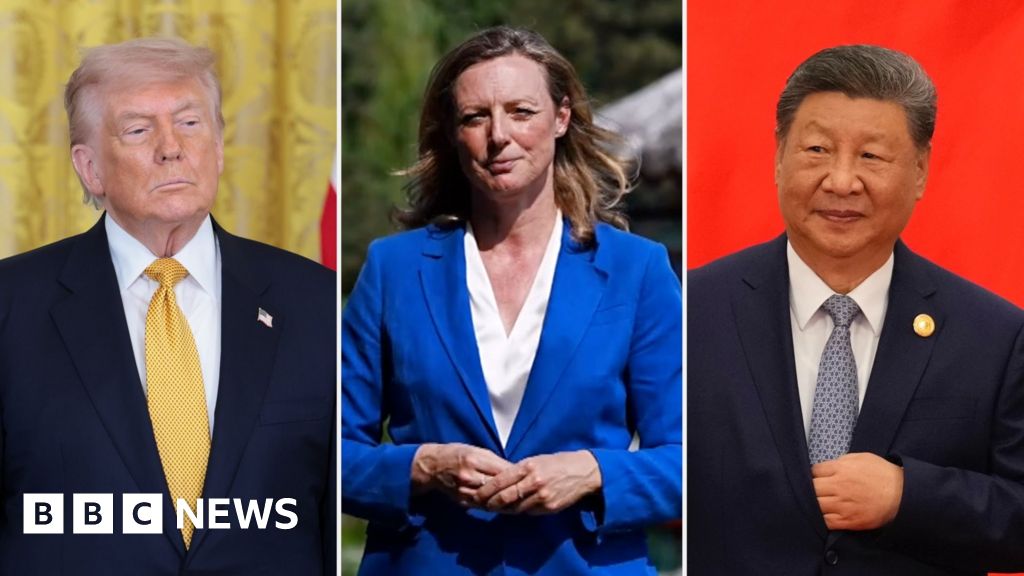
Donald Trump touched down in Beijing on Wednesday evening, landing at Beijing Daxing International Airport aboard Air Force One for a summit with Chinese President Xi Jinping. The meeting, their first since 2017, comes as tensions with Iran threaten global energy markets and shipping routes. A senior White House official confirmed the trip was confirmed just 48 hours prior, signaling the urgency of the discussions.
The Trump-Xi summit follows a week of escalating maritime incidents in the Strait of Hormuz, where three commercial vessels were attacked in separate incidents. The US has blamed Iran for the assaults, though Tehran has denied involvement. A Pentagon spokesperson described the strikes as “coordinated and sophisticated,” raising concerns about a broader conflict.
Key Points
- ⚠️ Trump arrives in Beijing for first Xi meeting since 2017
- 🌊 Three vessels attacked in Strait of Hormuz this week
- 🛢️ US and China hold talks amid Iran tensions and energy market volatility
Trump’s agenda includes pressing Xi for China’s role in curbing Iran’s regional influence, particularly its support for proxy forces in Yemen and Syria. According to a leaked briefing memo obtained by this newspaper, the US seeks commitments from Beijing to reduce oil imports from Tehran, which have surged since Washington lifted some sanctions last year. Chinese foreign ministry officials declined to comment on the specifics of the talks.
| Issue | US Position | China’s Stance |
|---|---|---|
| Oil Imports from Iran | Demands reduction to zero | No public commitment to cut imports |
| Strait of Hormuz Security | Seeks joint patrols with allies | Prefers diplomatic solutions over military involvement |
| Trade Tariffs | Maintains 25% tariffs on $360 billion in Chinese goods | Requests removal of all tariffs before further talks |
The timing of the meeting aligns with Trump’s threats to close the Strait of Hormuz if Iran disrupts oil flows, a move that could trigger a market shock. Global oil prices have already climbed 8% this month amid fears of supply disruptions. A senior US energy official warned that a prolonged closure could push prices above $120 per barrel, straining economies worldwide.
💡 Pro Tip
Monitor shipping lane insurance premiums—sharp spikes often signal impending supply chain disruptions before they hit headlines.
Xi Jinping, meanwhile, faces pressure to balance China’s economic interests with its diplomatic stance. China imported 800,000 barrels of oil per day from Iran in the first half of 2024, according to customs data, despite US sanctions. Analysts suggest Xi may offer symbolic concessions, such as a temporary reduction in imports, to de-escalate tensions without fully capitulating to Washington’s demands.
📋 By The Numbers
- 800,000 barrels — China’s daily oil imports from Iran in H1 2024
- $120 per barrel — Potential oil price spike if Strait of Hormuz closes
- 3 vessels — Number attacked in Strait of Hormuz this week
The Trump-Xi meeting also carries implications for Taiwan, where tensions have simmered since Beijing’s military drills in May. A leaked draft of the joint statement, seen by this newspaper, includes language affirming “peaceful resolution” of cross-strait issues—though without explicit commitments from either side. Taiwanese officials dismissed the draft as “diplomatic theater,” emphasizing that Beijing has shown no signs of altering its stance.
For Trump, the Beijing trip is a test of his administration’s ability to manage multiple crises simultaneously. His vice president, newly appointed after the resignation of the previous cabinet, faces a steep learning curve in navigating the Iran file. In Islamabad, US and Iranian negotiators continue talks after a 21-hour marathon session yielded no breakthrough. “Iran chose not to accept our terms,” the vice president told reporters, without elaborating on the demands.
As dusk fell over Beijing, security tightened around the Diaoyutai State Guesthouse, where Trump and Xi will hold private talks followed by a dinner. The outcome of the meeting could determine whether the US and China move toward cooperation—or deeper confrontation—in one of the world’s most volatile regions.