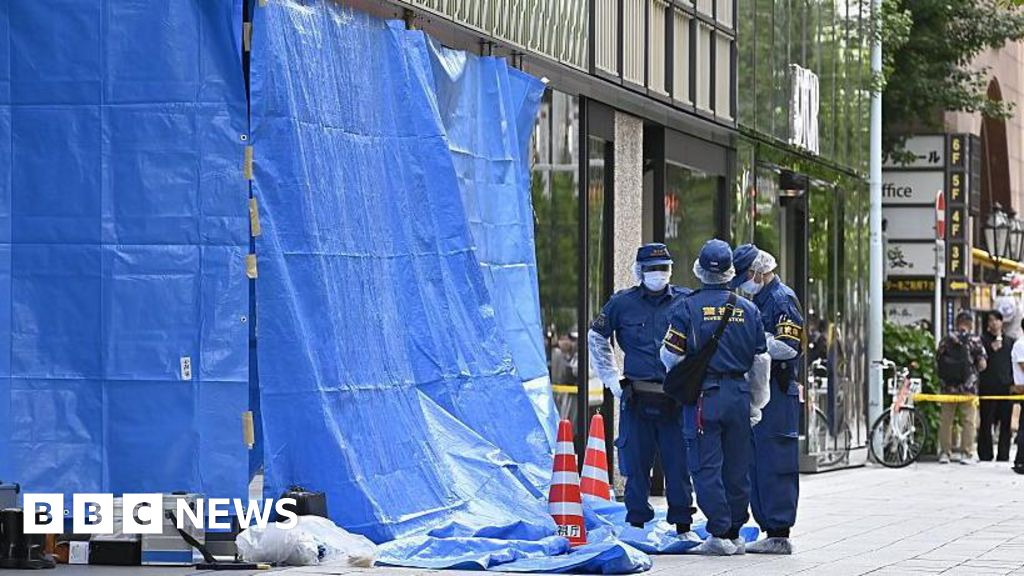
A shopping complex in Tokyo’s bustling Shibuya district was evacuated Tuesday after a sharp chemical odor triggered panic among shoppers and staff. At least 19 people were rushed to nearby hospitals with symptoms including dizziness, nausea, and difficulty breathing, according to emergency services. The Tokyo Fire Department confirmed the incident occurred around 2:47 p.m. local time at the Shibuya Hikarie mall, a 34-story mixed-use complex known for its luxury boutiques, restaurants, and offices.
Witnesses described a sudden, acrid stench reminiscent of ammonia or bleach, which spread rapidly through the mall’s lower levels. Security footage showed shoppers and employees fleeing the area within minutes, some covering their mouths with clothing or hands. The mall’s automated announcement system blared evacuation instructions in Japanese and English, while staff directed people toward emergency exits.
| Response Team | Arrival Time | Action Taken |
|---|---|---|
| Tokyo Fire Department Hazardous Materials Unit | 2:52 p.m. | Secured perimeter and assessed contamination |
| Shibuya Medical Team | 2:55 p.m. | Began triage for affected individuals |
| Tokyo Metropolitan Police | 3:01 p.m. | Directed crowd control and traffic |
Initial investigations by the Tokyo Metropolitan Government’s Environmental Bureau pointed to a ruptured refrigerant line in a commercial refrigeration unit located in the mall’s basement parking garage. The refrigerant, identified as R-410A, is commonly used in air conditioning and cooling systems but can release toxic fumes when mishandled or damaged. Authorities are reviewing maintenance records for the unit, which had been serviced two weeks prior.
📋 By The Numbers
- 2:47 p.m. — Time incident reported
- 12 minutes — Average response time for hazmat teams
- R-410A — Type of refrigerant involved
- 34 floors — Total height of Shibuya Hikarie
Rescue workers reported that most patients were treated on-site for mild to moderate symptoms and released within hours. Five individuals, however, were admitted overnight for observation due to persistent respiratory issues. The mall remained closed for three hours before officials declared the area safe for re-entry. Environmental tests conducted by the Tokyo Metropolitan Institute of Public Health confirmed elevated levels of volatile organic compounds (VOCs) in the air but ruled out immediate long-term health risks for evacuees.
💡 Pro Tip
If you encounter a strong chemical odor indoors, move to fresh air immediately, avoid using elevators, and follow evacuation instructions without delay. Do not attempt to locate the source unless you are trained in hazardous materials response.
Shops and restaurants in the mall are expected to reopen Wednesday morning, though some tenants reported minor damage to refrigeration units and freezers due to the rapid depressurization. The incident has reignited concerns about aging infrastructure in Tokyo’s commercial buildings, particularly those housing older cooling systems. Tokyo’s government has pledged to audit all high-rise complexes with similar refrigeration setups by the end of the month.
Key Points
- ✅ 19 people hospitalized after chemical odor scare at Shibuya Hikarie
- ⚡ Ruptured refrigerant line identified as primary cause
- 💡 Mall evacuation completed within 15 minutes of incident
Local business owners expressed frustration over the disruption, noting that Tuesday’s peak shopping hours were severely impacted. A spokesperson for the mall’s management stated that no permanent structural damage was detected and that all systems were being inspected prior to reopening. The Tokyo Fire Department has opened an investigation into the incident, focusing on maintenance protocols and potential negligence in the refrigeration unit’s upkeep.
- 📊 R-410A refrigerant is non-toxic in normal use but can decompose into harmful gases when leaked under pressure
- 🔍 Tokyo’s building codes require annual inspections for refrigeration systems in commercial spaces
- ⚠️ Older units are more prone to leaks due to wear and corrosion
As the city assesses the aftermath, health officials have advised affected individuals to monitor symptoms for the next 48 hours. While the immediate danger has passed, the incident serves as a stark reminder of the hidden risks in urban infrastructure we often take for granted.
