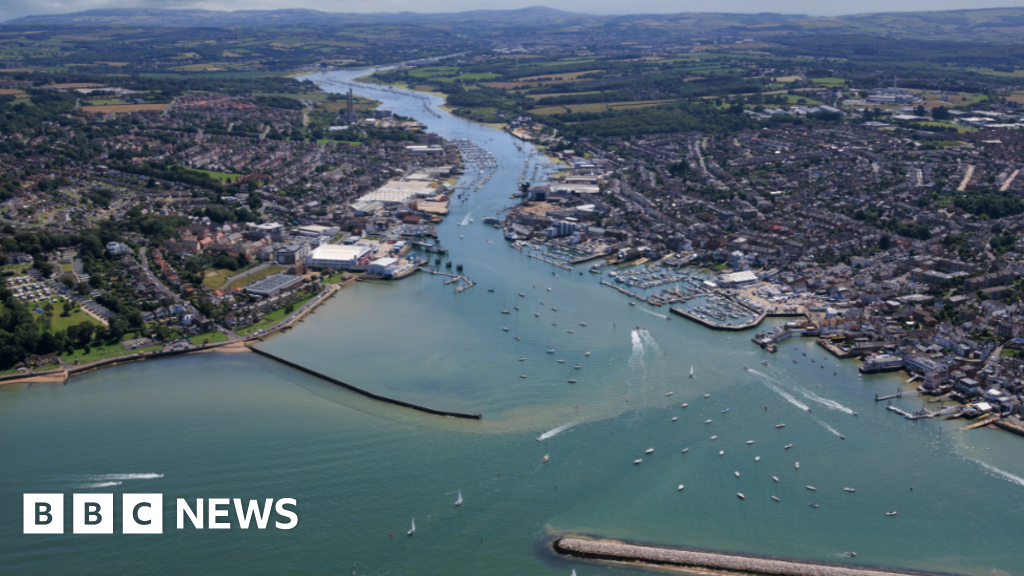
Southend-on-Sea’s beaches reopened to swimmers Thursday after a week-long ban sparked by two sewage spills in six days. The Environment Agency confirmed water samples from Chalkwell, Westcliff, and Thorpe Bay beaches now meet safety standards for swimming, ending a warning issued last Saturday. Local council leader Carol White said the decision followed "rigorous testing" but warned that infrastructure failures remain a critical issue.
The first spill occurred at 3:47 a.m. on June 8, releasing 12,000 gallons of untreated sewage into the Thames Estuary. A second, larger discharge of 28,000 gallons followed at 11:22 p.m. on June 13, both traced to overflows at the Hadleigh Road pumping station. Thames Water attributed the incidents to heavy rainfall overwhelming the system, but critics argue aging infrastructure is the root cause.
| Beach | Closure Date | Reopening Date |
|---|---|---|
| Chalkwell | June 8 | June 14 |
| Westcliff | June 8 | June 14 |
| Thorpe Bay | June 8 | June 14 |
Health authorities reported no confirmed cases of illness linked to the spills, but Southend Council advised vulnerable groups—including children, the elderly, and those with weakened immune systems—to avoid swimming until further notice. Environmental campaigners condemned the spills as "symptomatic of systemic neglect" and called for urgent investment in sewage infrastructure.
- 🌊 12,000 gallons — First sewage spill volume on June 8
- 🌊 28,000 gallons — Second spill volume on June 13
- ⚠️ 6 days — Total duration of the swimming ban
Thames Water has pledged £150 million over five years to upgrade pumping stations across Essex, including Hadleigh Road. However, local MP Rebecca Harris demanded an immediate review, stating, "We cannot wait years for fixes while our beaches are repeatedly contaminated." The company has not disclosed a timeline for the upgrades but confirmed temporary measures are being implemented to reduce overflow risks during heavy rain.
💡 Pro Tip
Check the Environment Agency’s latest water quality ratings before swimming—even at reopened beaches. Conditions can change rapidly after sewage incidents.
The lifting of the ban comes as Southend prepares for its peak tourist season, with local businesses hoping for a surge in visitors. But as the tide returns to the shoreline, so too does the scrutiny of the region’s aging wastewater system. Campaigners have vowed to escalate protests if no concrete action is taken within the next three months.