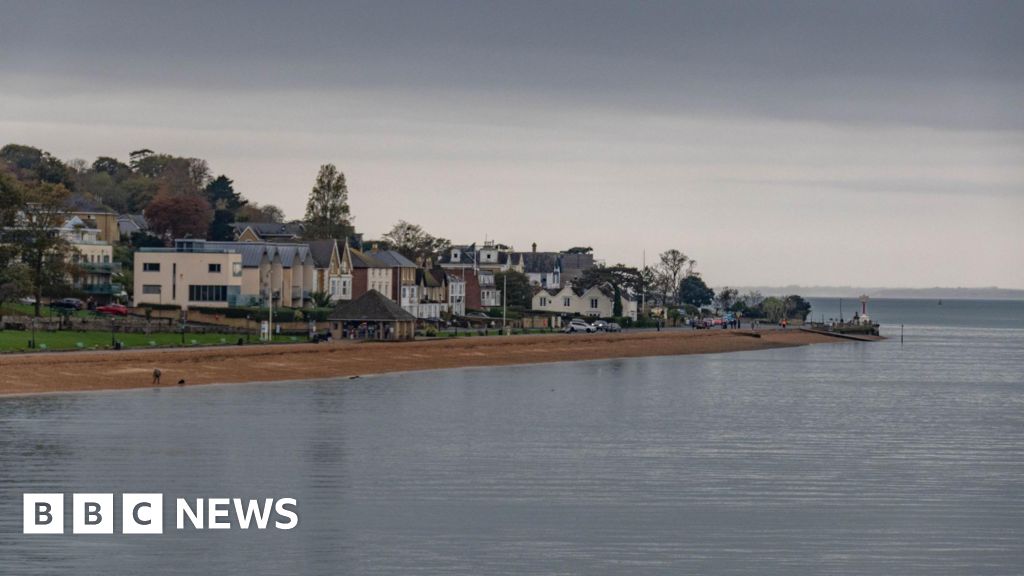
Surfers, paddle-boarders and open-water swimmers across north Cornwall were ordered to stay out of the sea on Wednesday after a catastrophic failure at St Erth treatment plant sent 2.1 million litres of untreated sewage cascading into the ocean.
The Environment Agency confirmed the spill began at 10:47 p.m. Tuesday when a storage lagoon at the plant overflowed following a lightning strike that knocked out critical pumps. South West Water, which operates the facility, activated its emergency protocol within 20 minutes but could not prevent the deluge before containment barriers were breached.
Key Points
- ⚠️ 2.1-million-litre raw sewage spill confirmed at St Erth plant
- 🏄♂️ All beaches from Newquay to St Ives closed to water users
- ⏱️ Spill began at 10:47 p.m. Tuesday after lightning strike disabled pumps
Local council chiefs in Cornwall declared a precautionary closure of 14 beaches, including popular surf spots Fistral and Watergate Bay. Surf schools cancelled lessons scheduled for Wednesday morning as lifeguards warned of potential contamination risks, including E. coli and norovirus.
| Beach | Status | Closure Start |
|---|---|---|
| Fistral | Closed | 06:00 Wednesday |
| Watergate Bay | Closed | 06:00 Wednesday |
| Gwithian | Closed | 06:00 Wednesday |
| St Ives Harbour Beach | Closed | 06:00 Wednesday |
South West Water’s chief executive, Peter Simpson, issued a statement Wednesday morning acknowledging the “serious incident” and pledging a full investigation. “We are prioritising the restoration of normal operations and implementing additional safeguards,” he said. However, Simpson declined to estimate when beaches might reopen, citing ongoing environmental assessments.
📋 By The Numbers
- 14 — Beaches closed across Cornwall
- 12 — Hours taken to contain the majority of the spill
- 8 — Surf schools affected in Newquay alone
Environmental campaigners slammed the spill as avoidable. “This was a failure of infrastructure, not an act of nature,” said Emma Jones of Clean Cornwall. “The plant is decades old and has been flagged for upgrades since 2021. The government promised funding last year, but nothing has happened.” Jones called for immediate investment in modern sewage treatment to prevent future leaks.
💡 Pro Tip
Before heading to the coast, check the Environment Agency’s latest water quality alerts at gov.uk/check-bathing-water. If a beach is closed, even partially, avoid contact with the water for at least 48 hours after the spill is contained.
Cornwall Council’s health team said it would conduct daily water sampling at affected sites until bacteria levels fall below safe thresholds. Residents and visitors were urged to report any signs of illness to NHS 111. The council also warned dog walkers to avoid shoreline areas where sewage residue may linger.
- 🔍 The St Erth plant handles sewage for 25,000 households; its last major upgrade was in 2003
- 📊 The spill occurred during a period of record rainfall, which may have contributed to the lagoon’s capacity being exceeded
- ⚠️ Surfers who ignore the warning risk skin infections, gastrointestinal illness and, in extreme cases, hepatitis A
By Wednesday evening, South West Water had rerouted untreated waste to temporary holding tanks and dispatched a team of engineers to repair the damaged pumps. A drone survey showed the spill had created a visible plume extending 1.2 miles offshore, though scientists warned the full environmental impact could take weeks to assess.
- 1 — Spill containment completed by 11:30 p.m. Wednesday
- 2 — Health inspections begin Thursday morning at closed beaches
- 3 — Cornwall Council to review emergency response protocols within 30 days
Tourism-dependent businesses in Newquay, which welcomed 2.3 million visitors in 2023, face immediate financial losses. The St Ives Tourist Association estimated local surf schools alone stand to lose £50,000 per day until beaches reopen.