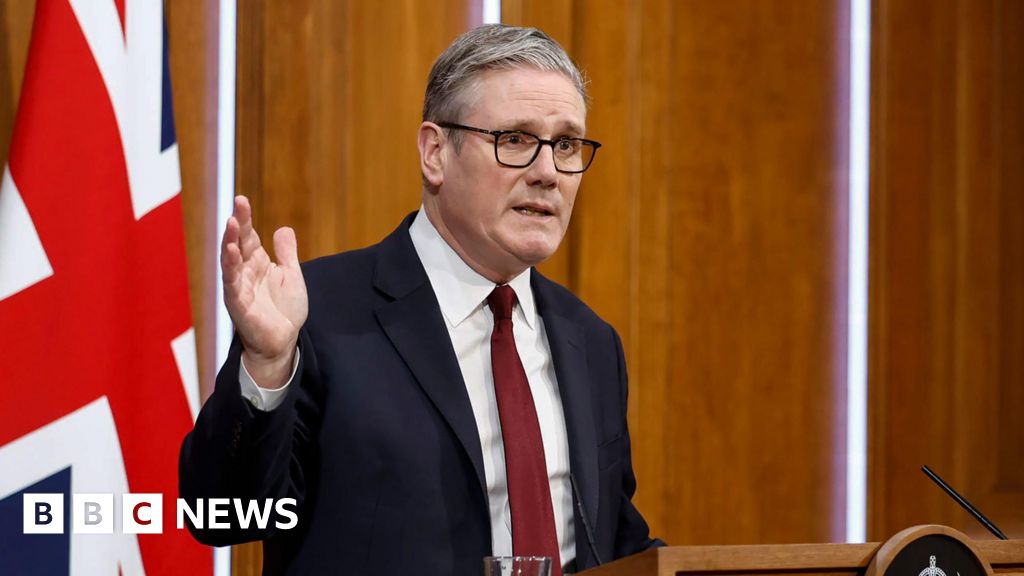
Prime Minister Keir Starmer has refused to back down on his government’s approach to the Gaza conflict, brushing off sharp criticism from former U.S. President Donald Trump. Speaking at a press conference in London on Tuesday, Starmer dismissed Trump’s latest remarks labeling UK policy as ‘weak’ as ‘unfounded’ and said Britain would not be swayed by external pressure.
Trump’s barbs came after Starmer’s government abstained from a UN Security Council resolution calling for an immediate ceasefire in Gaza, a move defended by British diplomats as a pragmatic stance. ‘We are not taking sides in the conflict; we are taking action to protect civilians and prevent further escalation,’ said Foreign Secretary David Lammy during a visit to Brussels. His comments came as European allies debated whether to impose sanctions on Israeli settlers accused of violence in the West Bank.
Key Points
- ✅ Starmer rejects Trump’s criticism as ‘unfounded’
- ⚡ UK abstained from UN ceasefire resolution, citing neutrality
- 💡 British officials prepare for contentious UN vote on Friday
The spat underscores growing transatlantic tensions over the Middle East, with Trump’s allies accusing Starmer of aligning too closely with European leaders who have been vocal in their condemnation of Israel’s military campaign. ‘The prime minister is navigating a minefield,’ said Crispin Blunt, a former Conservative foreign affairs minister. ‘He must balance domestic pressure to condemn Israel with the need to maintain a strong alliance with Washington.’
📋 By The Numbers
- 1 abstention — UK’s vote on the UN Gaza ceasefire resolution
- 3 days — Timeframe of Trump’s sustained criticism
- 5 European capitals — Where Lammy held talks to coordinate policy
Starmer’s government has faced intense scrutiny at home, with protesters outside Downing Street demanding a firmer stance against Israel. Meanwhile, pro-Israeli groups staged counter-demonstrations, accusing Starmer of failing to support Israel’s right to self-defense. ‘The prime minister is caught between a rock and a hard place,’ said a senior Labour source. ‘But he’s making the tough calls, and that’s what leadership requires.’
| Aspect | UK Position | U.S. Stance |
|---|---|---|
| Ceasefire Vote | Abstained | Vetoed resolution |
| Settler Sanctions | Considering support | Opposed |
| Humanitarian Aid | Pledged £50m | Proposed $100m |
As the UN vote looms, Starmer’s team is preparing for a potential diplomatic showdown. British officials confirmed they are reviewing their position on sanctions against Israeli settlers, a move that could align London more closely with France and Germany. ‘We are not ruling out any options that could bring an end to the violence,’ said a Downing Street spokesperson.
💡 Pro Tip
Diplomats say Starmer’s team is quietly consulting with Arab League members to gauge support for a revised ceasefire proposal that could bridge divides at the UN.
The prime minister’s resolve will be tested further on Thursday when he meets with U.S. Secretary of State Marco Rubio in Washington. The two are expected to discuss a range of issues, including trade and security, but Gaza is likely to dominate the agenda. ‘This is not about pleasing anyone,’ Starmer told reporters. ‘It’s about doing what’s right for Britain—and for the people of Gaza.’
- 📊 Starmer’s approval rating has dipped 3 points since the Gaza crisis began
- 🔍 Trump’s criticism may be aimed at rallying his base ahead of U.S. elections
- ⚠️ A hardline stance by Starmer risks alienating Jewish voters in key constituencies
With tensions rising, the clock is ticking for Starmer to solidify his position both at home and abroad. His ability to withstand the pressure could define his premiership—and shape Britain’s role on the global stage.