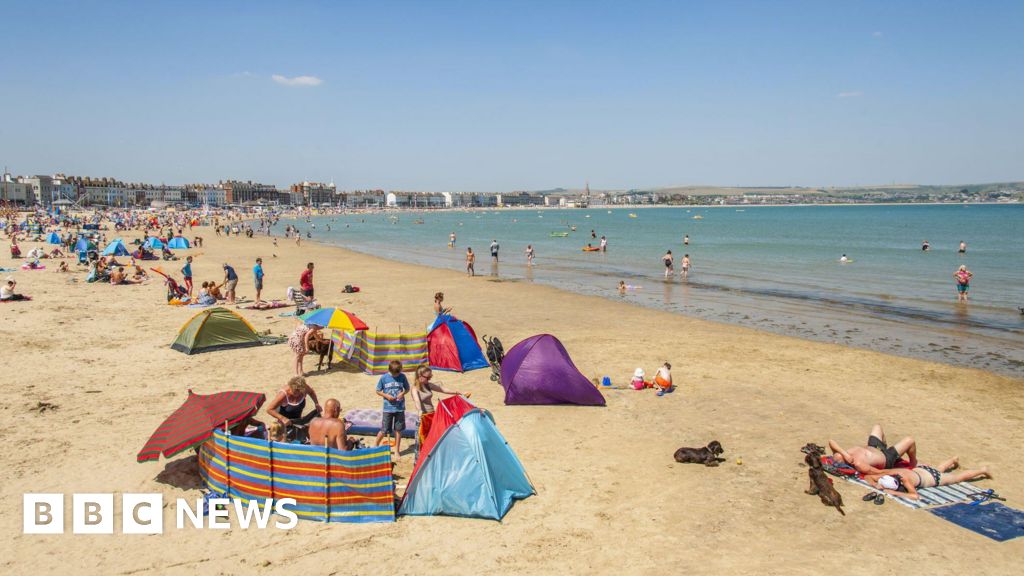
The Met Office confirmed on Friday that temperatures across the South will soar beyond previous August Bank Holiday records, with Surrey expected to hit 33C by Sunday afternoon. Kent and Sussex are forecast to follow closely behind, while coastal areas such as Brighton and Bournemouth will experience peak heat around midday on Monday with a stifling 31C.
The amber warning, effective from Saturday 6pm to Tuesday 11:59pm, covers the entire southern region including Greater London, where temperatures could reach 32C. Health officials have warned that elderly residents, young children, and those with pre-existing conditions are at heightened risk of heat exhaustion or heatstroke. Emergency services have been briefed to prepare for a surge in 999 calls related to heat-related illnesses.
- 📊 UK Health Security Agency data shows heat-related hospital admissions rise 30% during prolonged high-temperature events
- 🔍 London Ambulance Service reports a 15% increase in heat-related incidents during past August Bank Holiday weekends
- ⚠️ The warning excludes Scotland and Northern Ireland, where temperatures will remain below 25C
Local authorities have activated heatwave emergency plans, opening cooling centers in public libraries, leisure centers, and shopping malls. Surrey County Council has deployed additional staff to monitor parks and beaches, while Kent County Council has restricted alcohol sales in licensed outdoor events after 4pm to reduce aggression linked to dehydration. Transport for London has advised commuters to avoid non-essential travel between 11am and 4pm, citing potential track buckling and delays on the Tube network.
Key Points
- ✅ UK faces its hottest August Bank Holiday on record
- ⚡ Met Office issues amber warning for extreme heat across South
- 💡 Vulnerable groups urged to stay indoors during peak temperatures
Public health experts are particularly concerned about outdoor workers, with construction sites in the region expected to see a 25% drop in productivity due to heat stress. The Construction Industry Training Board has issued guidance to employers, recommending shorter shifts and mandatory hydration breaks. Meanwhile, the National Farmers’ Union has warned of potential crop damage, with soft fruit and salad harvests at risk of wilting under sustained high temperatures.
💡 Pro Tip
Apply a damp cloth to the back of your neck and wrists to lower core body temperature quickly. Avoid alcohol and caffeine, which dehydrate you further, and check on elderly neighbors at least twice daily.
The surge in heat follows a week of unseasonably high temperatures across Europe, with France and Spain recording multiple fatalities from heatstroke. Climate scientists attribute the trend to shifting jet stream patterns, which are increasingly funneling hot air from North Africa into Western Europe during summer months. The Met Office has stated that this weekend’s temperatures are consistent with long-term climate projections for the region, signaling a potential preview of future summers.
📋 By The Numbers
- 33°C — Peak temperature in Surrey, highest August Bank Holiday on record
- 15% — Increase in London Ambulance Service heat-related calls during past August Bank Holidays
- 25% — Estimated drop in outdoor worker productivity due to heat stress
Residents are advised to use the hottest hours of the day for indoor activities, with supermarkets reporting a 40% spike in sales of bottled water, ice, and electrolyte drinks. The Royal National Lifeboat Institution has issued a warning about increased sea rescues, as more people flock to beaches despite hazardous UV levels. Coastal towns such as Margate and Southend-on-Sea have seen a 60% rise in beachgoers compared to the same weekend last year, prompting local councils to deploy extra lifeguards and water safety patrols.
| Aspect | Coastal Areas | Inland Areas |
|---|---|---|
| Peak Temperature | 31°C | 33°C |
| Heat-Related Risks | Drowning, sunburn | Heat exhaustion, dehydration |
| Public Advice | Stay hydrated, wear SPF 50+ | Avoid midday sun, seek shade |
With the UK Health Security Agency predicting that heatwaves will become 30% more frequent by 2050, this weekend serves as a stark reminder of the accelerating impacts of climate change. Emergency services and local authorities are urging residents to treat the amber warning with the same level of seriousness as a severe weather alert, emphasizing that heatwaves are now a year-round risk rather than a seasonal anomaly.
