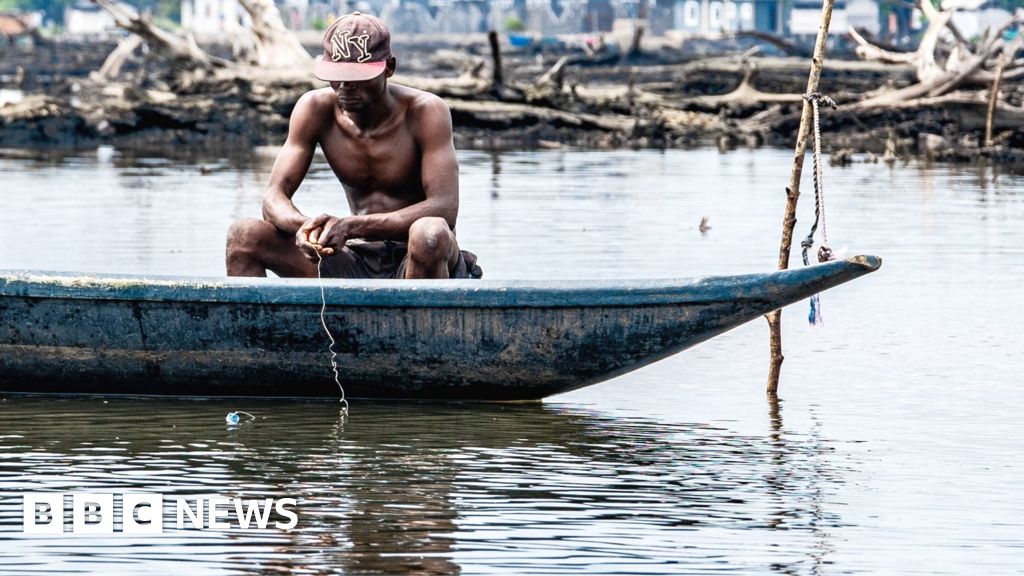
LAGOS — Royal Dutch Shell’s Nigerian subsidiary kept a heavily contaminated oil pipeline operational for more than a decade despite repeated internal warnings of pollution and violations of the company’s own technical standards, leaked documents show.
Internal memos, technical assessments, and staff communications obtained by this newsroom reveal that Shell’s Nigerian team flagged concerns about the Bonga offshore pipeline as early as 2012. The files detail breaches of the company’s safety protocols and direct evidence of crude oil leaks into Nigerian waters, yet executives in London and The Hague allowed the pipeline to remain active until at least 2023.
Key Points
- ⚠️ Shell’s Bonga pipeline leaked crude into Nigerian waters for over a decade
- 📅 Internal warnings date back to 2012, but operations continued until 2023
- 🔍 Company’s own technical standards were repeatedly violated
One 2021 assessment by Shell’s Nigeria team described the pipeline as “structurally compromised” and warned of “catastrophic failure” if repairs were not made. The document, marked “strictly confidential,” was shared with global executives but was never made public. A senior Shell engineer, who requested anonymity due to fear of retaliation, confirmed the authenticity of the files.
| Year | Shell’s Claim | Internal Finding |
|---|---|---|
| 2012 | Pipeline operating safely | Staff reported “unacceptable” corrosion levels |
| 2017 | No significant leaks detected | Technical report identified “multiple weak points” |
| 2021 | Routine maintenance sufficient | Assessment warned of “imminent rupture risk” |
The Bonga pipeline, which transports up to 200,000 barrels of crude oil per day, is a critical artery for Shell’s Nigerian operations. It runs 120 kilometers offshore from the Bonga oil field to the coast, where the oil is loaded onto tankers for export. Despite the pipeline’s central role, Shell’s internal documents show that maintenance budgets were slashed in 2018, a decision that coincided with a sharp increase in reported pollution incidents.
📋 By The Numbers
- 200,000 barrels — Daily oil flow through the Bonga pipeline
- 120 km — Length of the pipeline, running from Bonga field to the coast
- 37 incidents — Reported pollution events linked to the pipeline between 2019 and 2023
Environmental groups have long accused Shell of prioritizing profits over safety in Nigeria, a country where oil production has devastated local ecosystems and displaced communities. The Niger Delta, where the Bonga pipeline operates, has been called one of the most polluted places on Earth due to decades of oil spills and gas flaring. A 2011 United Nations report estimated that cleaning up the region would require $1 billion and take up to 30 years.
💡 Pro Tip
Companies operating in high-risk environments should conduct independent third-party audits of critical infrastructure every two years, regardless of internal assessments. Shell’s internal reviews in Nigeria were often conducted by teams with financial incentives tied to maintaining production quotas.
Shell has faced repeated criticism over its handling of pollution in Nigeria. In 2021, a Dutch court ordered the company to pay damages to a Nigerian farming community affected by spills from Shell’s pipelines. The ruling followed a six-year legal battle and set a precedent for holding multinational corporations accountable for environmental damage abroad. Shell has appealed the decision.
In response to questions about the Bonga pipeline, a Shell spokesperson said the company “takes its environmental responsibilities seriously” and that all operations comply with Nigerian law. The spokesperson added that Shell has invested over $1 billion in Nigeria since 2020 to improve environmental performance and community development. However, the leaked documents suggest that despite these investments, the company continued to operate the Bonga pipeline under conditions that its own engineers described as unsafe.
- 2012 — Shell staff first raised concerns about corrosion in the Bonga pipeline.
- 2018 — Maintenance budgets were cut, coinciding with a rise in pollution incidents.
- 2021 — An internal assessment warned of “imminent rupture risk,” yet operations continued.
- 2023 — The pipeline was finally shut down for repairs after years of documented risks.
- 🌍 The Niger Delta’s oil pollution has displaced over 30,000 people since 2000, according to Amnesty International.
- ⚠️ Shell’s internal documents show that executives in London and The Hague were aware of the risks but allowed operations to continue.
- 🔍 The Bonga pipeline’s shutdown in 2023 came after years of public pressure and legal threats from Nigerian environmental groups.
The shutdown of the Bonga pipeline in 2023 followed years of legal threats and public pressure from Nigerian environmental groups. Activists argue that Shell’s actions reflect a broader pattern of corporate negligence in the region. “This is not just about one pipeline,” said a spokesperson for Environmental Rights Action, a Nigerian NGO. “It’s about a company that has repeatedly put profits over people and the planet.”