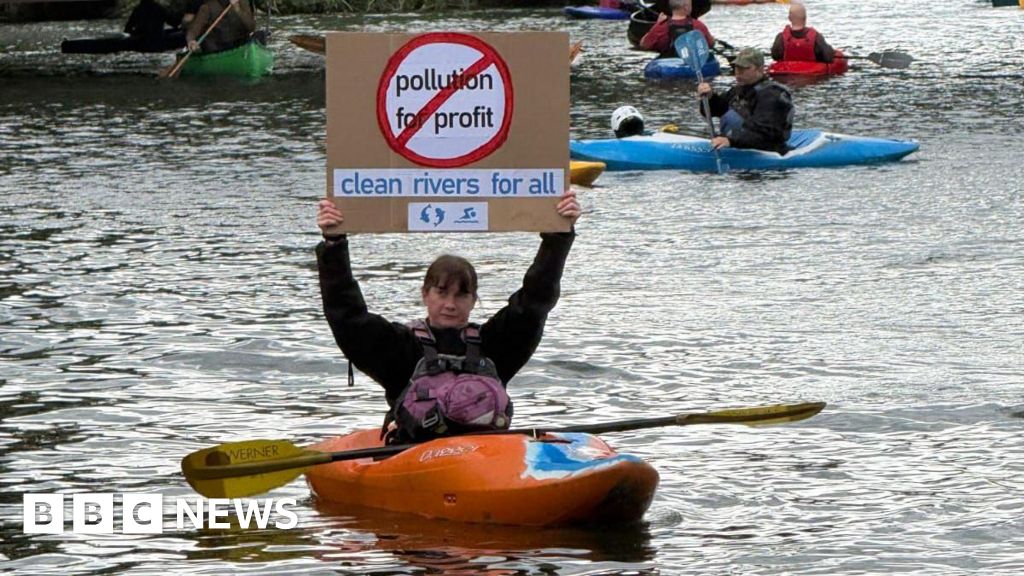
Manchester’s Piccadilly Gardens became the epicenter of fury on Saturday as 2,500 protesters chanted “Prosecute the polluters” while holding placards depicting raw sewage spilling into the River Irwell. Similar demonstrations erupted in Birmingham, Bristol, and Brighton, where crowds exceeded 1,800 each. Organizers confirmed events in 30 cities nationwide, marking the largest coordinated response to water pollution in British history.
The surge in public anger follows the release of Environment Agency data showing untreated sewage discharges into designated bathing waters tripled between 2018 and 2023. Southern Water and Thames Water face legal action after campaign group River Action filed judicial review claims alleging systematic failures to comply with discharge permits. Both firms denied allegations, stating they were investing £2 billion to upgrade infrastructure by 2030.
| Company | 2023 discharges | Legal status |
|---|---|---|
| Southern Water | 1,847 | Judicial review pending |
| Thames Water | 2,981 | Judicial review pending |
In London’s Hackney Marshes, demonstrators waded into the River Lee to highlight contamination levels up to 50 times the safe swimming limit, according to water quality tests. Protester Maya Patel, 34, from Bristol, said: “We’re not just fighting for fish—we’re fighting for our children’s right to swim without getting sick.” The Environment Agency confirmed it has launched 54 enforcement investigations into water companies this year, the highest in a decade.
Key Points
- ✅ Over 10,000 people protested across 30 UK cities on Saturday
- ⚡ Southern Water and Thames Water face legal action for alleged permit breaches
- 💡 Untreated sewage discharges in bathing waters tripled from 2018 to 2023
Water Minister Emma Hardy condemned the pollution as “unacceptable” and announced an emergency summit with regulators and industry leaders for next Monday. Meanwhile, Thames Water’s chief executive admitted “we have not done enough” but blamed “chronic underinvestment” over decades. Southern Water declined to comment on pending litigation.
💡 Pro Tip
Check the Environment Agency’s interactive map before swimming in rivers to avoid contaminated sites. Real-time data reveals hidden pollution hotspots often missed by official warnings.
Scientists warn the surge in discharges is accelerating ecological collapse in river ecosystems. A University of Exeter study published Friday found sewage pollution has reduced fish populations in the River Thames by 40% since 2015. Campaigners now demand a statutory ban on all sewage discharges, a move currently only banned in Switzerland and Austria. The government has not committed to such a ban, citing “technical challenges.”
📋 By The Numbers
- 54 — Enforcement investigations launched by the Environment Agency in 2024
- 40% — Decline in Thames River fish populations since 2015
- £2 billion — Combined investment pledged by Southern and Thames Water by 2030
Legal experts suggest the judicial reviews could force water firms to adopt stricter monitoring and face criminal liability for repeat offenses. Environmental lawyer Laura Sandys said: “These cases could redefine corporate accountability in the UK water sector.” The protests show no sign of abating, with organizers planning a mass paddle protest on the River Severn next month.
