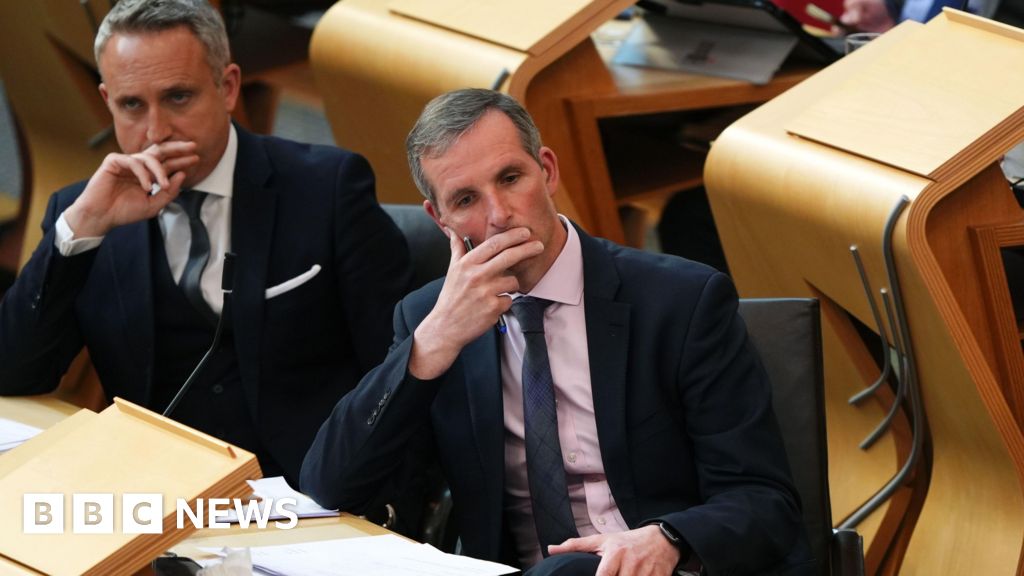
Scotland is poised to become the first UK nation to legalise assisted dying after MSP Liam McArthur tabled the End of Life Choice Bill, setting the stage for a decisive vote on November 12. The bill, which has cross-party support, would allow terminally ill adults with less than six months to live to request a medically supervised death starting in 2026.
📋 By The Numbers
- 12 November — Date of the first major vote on the End of Life Choice Bill
- 6 months — Maximum prognosis for eligibility under the proposed law
- 2026 — Earliest possible implementation year
The legislation follows a decade of campaigning by advocacy groups like Dignity in Dying Scotland and builds on a 2021 consultation where 87% of respondents backed reform. Critics, including religious leaders and some disability rights activists, argue it risks coercion and devalues life, while supporters say it offers dignity and control to the dying.
MSP McArthur, a Liberal Democrat from Orkney, has framed the bill as a compassionate response to unbearable suffering, citing cases like that of Perthshire resident Margaret Fleming, who spent years advocating for change after her husband’s prolonged death from dementia. “This is about giving people autonomy at the end of life,” McArthur told reporters yesterday. The bill’s passage remains uncertain; the Scottish National Party has not yet committed to a whip, leaving 64 MSPs to vote freely.
| Aspect | For the Bill | Against the Bill |
|---|---|---|
| Eligibility | Terminal illness, six-month prognosis | Fear of exploitation, slippery slope |
| Oversight | Medical review board | Potential for abuse by healthcare system |
Opponents are mobilising ahead of the vote, with the Catholic Church in Scotland distributing pamphlets in Glasgow parishes and disability rights group Inclusion Scotland warning that disabled people could face pressure to end their lives early. Proponents counter that strict safeguards, including mandatory psychiatric evaluation and a 14-day cooling-off period, will prevent misuse. “This is not about suicide; it’s about medical aid in dying,” said Dr. Jane Campbell, a palliative care physician in Edinburgh.
💡 Pro Tip
If the bill passes, healthcare providers should prepare for training on new protocols and patient consultations by Q2 2025 to ensure readiness for 2026 implementation.
The political landscape is shifting rapidly. Labour MSP Anas Sarwar has broken ranks with his party’s neutral stance, publicly endorsing the bill, while Conservative MSPs remain divided. Polling by Savanta ComRes in October showed 62% of Scots support assisted dying, but opposition among older voters and rural communities remains strong. The bill’s second reading will test whether Scotland can reconcile its progressive reputation with the ethical divides of end-of-life care.
Key Points
- ✅ The End of Life Choice Bill would legalise assisted dying for terminally ill adults in Scotland by 2026.
- ⚡ A 14-day cooling-off period and mandatory psychiatric evaluation are proposed safeguards.
- 💡 The Scottish National Party has not yet committed to a whip, leaving the vote outcome unpredictable.
Outside Holyrood, the debate is equally intense. Palliative care charities warn that assisted dying could divert resources from existing end-of-life services, while right-to-die campaigners argue that current laws force patients to endure prolonged suffering. “We’re not asking for euthanasia; we’re asking for the right to a peaceful death,” said Sarah Wylie, director of Dignity in Dying Scotland, whose father died in agony from advanced cancer. Her organisation has collected over 12,000 signatures in support of the bill.
- Next Steps — The bill’s second reading on November 12 will determine whether it proceeds to committee stage.
- Public Response — Religious groups and disability advocates are launching counter-campaigns to sway undecided MSPs.
- Implementation — If passed, regulations would require secondary legislation in 2025 to set clinical guidelines.
The vote next week could mark a turning point not just for Scotland, but for the entire United Kingdom, where no nation has yet legalised assisted dying. With polls showing shifting attitudes and political alliances forming, the outcome hangs in the balance—one that will define Scotland’s moral and medical landscape for decades to come.