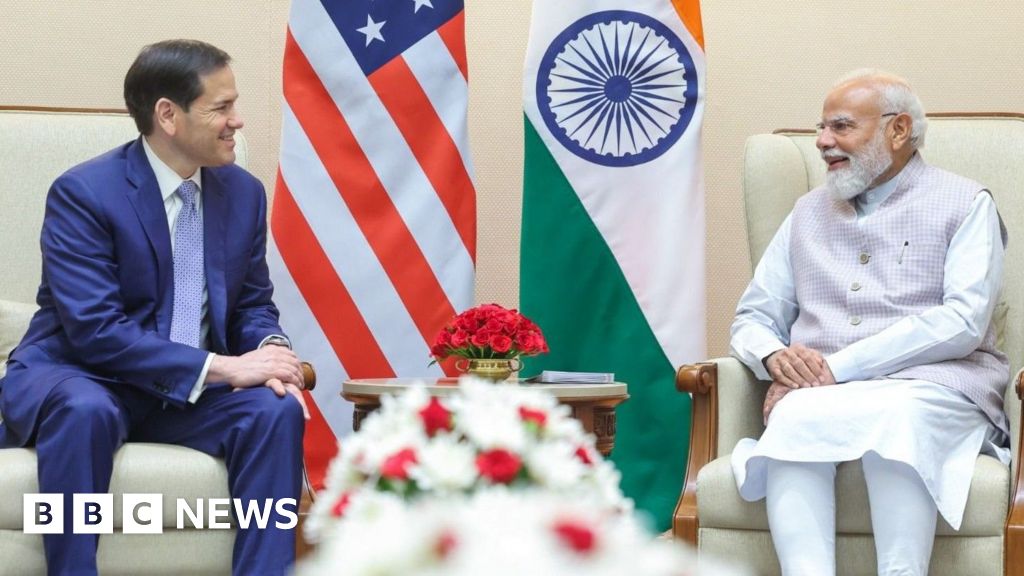
US Secretary of State Marco Rubio wrapped up a four-day visit to India on Wednesday with a pivotal meeting in Delhi that yielded a breakthrough on energy cooperation. The discussions with Prime Minister Narendra Modi centered on finalizing a long-stalled civil nuclear agreement and accelerating India’s renewable energy targets. Both sides described the talks as productive, with Rubio emphasizing the strategic importance of energy security in the Indo-Pacific region.
Rubio’s itinerary included stops in Mumbai and Bangalore, where he toured solar panel manufacturing facilities and met with energy executives. In Mumbai, he highlighted a proposed $1.2 billion investment by a US consortium to expand India’s solar grid. The commitment aligns with India’s goal to install 500 gigawatts of renewable energy by 2030.
💡 Pro Tip
Diplomats familiar with the negotiations say the civil nuclear deal’s success hinges on resolving liability concerns for US suppliers—a sticking point since 2008.
During the talks, Modi underscored India’s urgent need for clean energy solutions amid severe power shortages in northern states. Rubio countered with a pledge to expedite US regulatory approvals for nuclear components, aiming to reduce the current 5-year approval window. The two leaders also announced plans to launch a joint task force to streamline cross-border energy projects.
| Energy Sector | Current Status | 2027 Target |
|---|---|---|
| Nuclear Capacity | 6.8 GW | 15 GW |
| Solar Additions (annual) | 10 GW | 25 GW |
| Wind Additions (annual) | 4 GW | 10 GW |
Critics warn that bureaucratic hurdles in both countries could derail progress. A senior Indian official, speaking on condition of anonymity, cited delays in land acquisition and grid connectivity as persistent obstacles. Meanwhile, US lawmakers have raised concerns about India’s non-proliferation commitments, though Rubio dismissed these as “manageable.”
Key Points
- ✅ Civil nuclear deal to take effect by 2027
- ⚡ $1.2 billion US investment in India’s solar grid
- 💡 Joint task force to fast-track energy projects
The energy collaboration forms a cornerstone of broader US-India diplomatic efforts, including defense partnerships and technology transfers. Analysts note that successful energy deals could pave the way for deeper economic integration. However, skeptics question whether political will can overcome entrenched institutional inertia.
📋 By The Numbers
- 5 — Years required for US nuclear component approvals
- $1.2B — Proposed US investment in India’s solar grid
Rubio’s visit followed a flurry of high-level engagements, including a meeting with External Affairs Minister S. Jaishankar, where regional security—particularly China’s influence in South Asia—was discussed. The energy agreement, however, emerged as the most tangible outcome of the trip, with both sides framing it as a model for future cooperation.