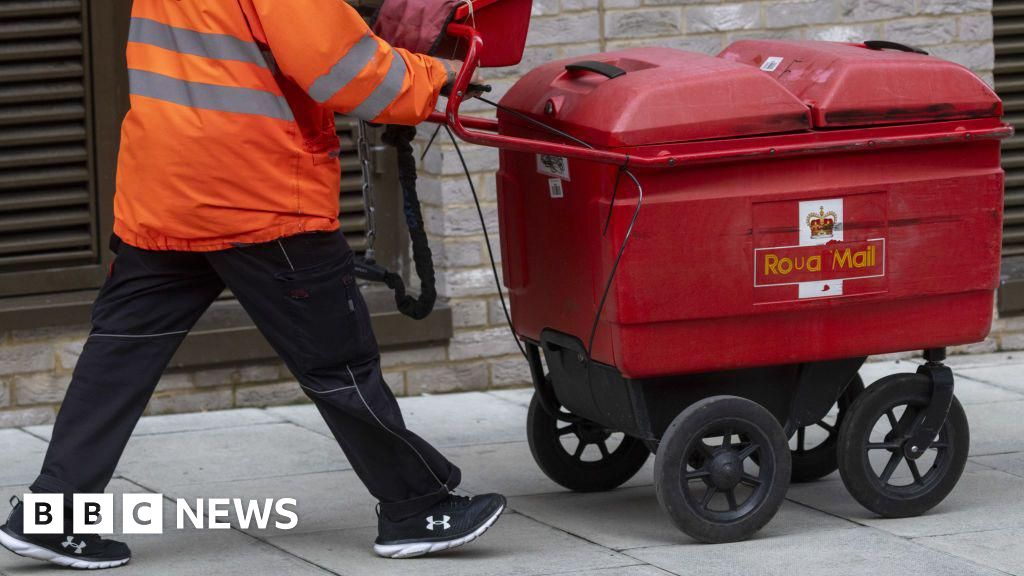
The Royal Mail has failed to meet its first-class mail delivery target for the third year in a row, with just 75.7% of letters arriving on time in the year to March 31, well below the 93% benchmark it has set itself.
Industrial action and operational disruptions have been cited as the primary reasons for the shortfall, according to an internal report seen by this newspaper. The decline marks a significant drop from the previous year’s 80.2% delivery rate, reversing earlier progress made after the resolution of 2022’s national strikes.
Key Points
- ⚠️ First-class mail on-time delivery drops to 75.7% in year to March
- 📉 Third consecutive year the 93% target is missed
- ⏱️ Operational delays and industrial action blamed for decline
Sources within the company, who spoke on condition of anonymity, described a “perfect storm” of challenges, including staff shortages, increased parcel volumes from the pandemic surge, and ongoing disputes over pay and working conditions. A Royal Mail spokesperson confirmed that while efforts were being made to restore performance, the impact of these factors had been “profound and persistent.”
| Year | On-Time Delivery Rate | Target Rate |
|---|---|---|
| 2022 | 72.5% | 93% |
| 2023 | 80.2% | 93% |
| 2024 | 75.7% | 93% |
The failure to meet the target has raised concerns among business groups and consumers, particularly as the holiday season approaches. The Communications Workers Union (CWU) has accused Royal Mail of mismanagement, arguing that the company’s cost-cutting measures have compromised service quality. “Customers deserve better,” said a union representative. “We’ve seen repeated failures, yet Royal Mail continues to set unrealistic targets without addressing the root causes.”
📋 By The Numbers
- 12.3% — Drop in on-time delivery rate from 2023 to 2024
- 5.2 million — Additional letters processed daily compared to pre-pandemic levels
In response, Royal Mail has outlined a recovery plan that includes hiring 1,500 new staff, investing in automation technology, and extending delivery hours. However, industry analysts question whether these measures will be sufficient to meet the 93% target by the next financial year. “The challenges are structural,” said a logistics expert. “Recruiting and training staff takes time, and automation can’t replace the human element entirely—especially in rural areas.”
💡 Pro Tip
For businesses relying on first-class mail, consider using tracked services or verifying addresses with Royal Mail’s online tool to mitigate delays. Consumers should track high-priority items and allow extra time during peak periods.
The latest failure comes amid broader scrutiny of Royal Mail’s financial health. The company, which was privatized in 2013, has faced mounting pressure from shareholders to improve efficiency and profitability. Earlier this year, it reported a £376 million loss for the first half of its financial year, citing industrial action and falling letter volumes as key contributors.
- 📊 First-class mail volume has declined by 22% since 2019, partly due to the shift to digital communication
- 🔍 Royal Mail’s competitors, including private couriers, have gained market share by offering more reliable next-day services
- ⚠️ If trends continue, Royal Mail risks losing high-value corporate contracts to faster alternatives
As the company grapples with these challenges, customers and businesses alike are left wondering when—or if—first-class service will return to its former reliability. For now, the 75.7% delivery rate stands as a stark reminder of the gap between ambition and reality.