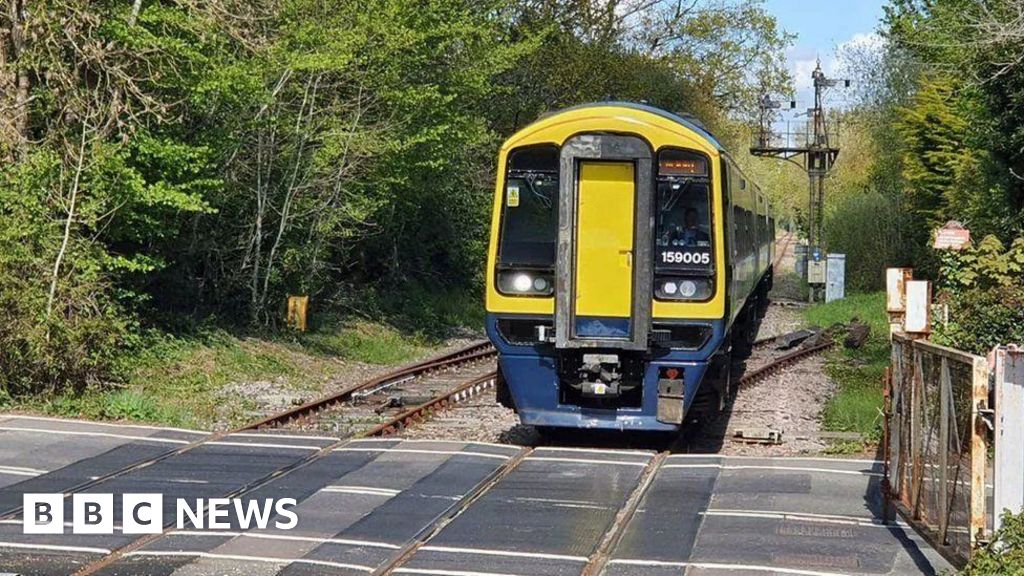
The Office of Rail and Road has formally rejected Network Rail’s application to reinstate passenger services on the 23-mile Meon Valley line, a route abandoned by British Rail in 1974. The regulator’s decision, delivered late on Friday, cites ‘insufficient economic justification’ and ‘unresolved safety concerns’ as primary reasons for the refusal. Campaigners had spent three years lobbying for the revival, arguing the line could ease congestion on the A32 and A27 corridors.
Network Rail had proposed reopening five stations—Fareham, Wickham, Droxford, Privett and East Tithes—with an estimated £180 million investment to upgrade tracks, signaling and level crossings. The plan included electric trains running every 30 minutes during peak hours, cutting journey times to Portsmouth from 45 minutes to 25. But the regulator concluded the financial returns would not cover the costs over the 60-year appraisal period, leaving a projected £120 million shortfall.
📋 By The Numbers
- 1974 — Year British Rail closed the Meon Valley line
- £180m — Estimated cost of reopening the line
- £120m — Forecast funding gap over 60 years
- 5 — Number of proposed new stations
Local leaders expressed shock at the decision. Fareham Borough Council leader Cllr Michael Lane called it a ‘betrayal of communities already struggling with inadequate transport links.’ Hampshire County Council’s transport chief, Cllr Rob Humby, said the council would now explore ‘alternative rail enhancement schemes’ in the region, though no specifics were provided. Campaign group Meon Valley Line Revival condemned the ruling as ‘short-sighted’ and vowed to challenge it in court.
Key Points
- ✅ ORR cites ‘insufficient economic justification’ for rejection
- ⚡ Meon Valley line has been disused since 1974
- 💡 Campaigners claim line could reduce A32/A27 congestion
The regulator’s decision follows a public consultation in which 68% of respondents supported the reopening. However, the ORR concluded that the majority of these responses came from residents within 10 miles of the line, skewing the sample. It also noted that the economic benefits were ‘overstated’ due to limited forecast ridership growth beyond 2040. The rejection leaves the Meon Valley line in limbo, with Network Rail now required to decommission remaining infrastructure within 18 months unless a new case is presented.
| Aspect | ORR Ruling | Campaigners' Claims |
|---|---|---|
| Economic Justification | Insufficient | Strong |
| Safety Concerns | Unresolved | Addressed |
| Public Support | Limited geographically | Widespread |
The regulator has given Network Rail 90 days to submit a revised application addressing the deficiencies highlighted. Failure to do so will trigger a statutory abandonment process, which could see the tracks lifted and land sold off. Campaigners are now pinning their hopes on a legal challenge, arguing the ORR misinterpreted passenger demand forecasts and failed to account for future housing developments near the line. A crowdfunding campaign has raised £45,000 in two weeks to fund the appeal.
💡 Pro Tip
Campaigners should commission an independent economic impact assessment before submitting any new application—previous models relied heavily on optimistic ridership projections that the ORR has repeatedly dismissed.
The Meon Valley line’s fate now hinges on whether campaigners can overturn the regulator’s decision or persuade Network Rail to resubmit a more compelling case. Either path will require fresh data, political pressure, and a significant shift in the economic narrative surrounding rural rail reopenings. Without it, the 50-year wait for trains to return to the valley could stretch into perpetuity.
- 📊 ORR’s decision relies on 60-year financial modeling, not short-term gains
- 🔍 Campaigners’ surveys may have overrepresented local enthusiasm
- ⚠️ Legal challenge could delay decommissioning but not guarantee victory