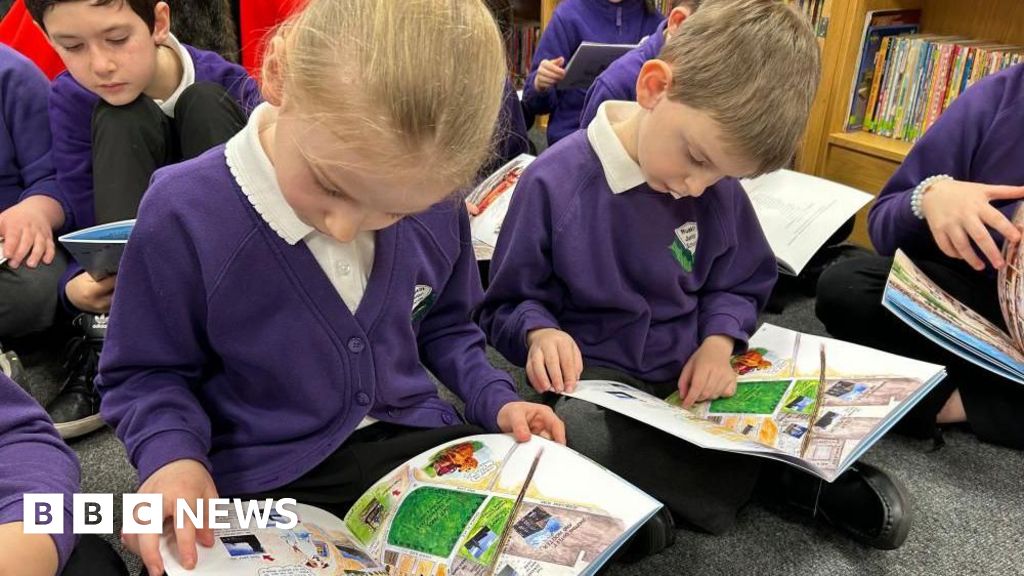
The nation’s young readers have turned a page. After half a decade of shrinking enthusiasm for books, children and adolescents in England are diving back into reading with renewed vigor, according to the latest findings from the National Literacy Trust. Its 2025 Annual Literacy Survey, conducted with 58,234 pupils aged 8 to 18, found that 59.4% now say they "enjoy reading either very much or quite a lot"—up from 56.2% in 2024.
This marks the first year-on-year increase since the trust began tracking reading enjoyment in 2016, reversing a steady decline that saw levels plummet from 61.6% in 2020 to a low of 53.6% in 2023. The rebound comes amid a broader cultural shift, with schools and libraries reporting a 12% rise in book club memberships and a 23% surge in requests for young adult fiction titles like *Heartstopper* and *The Hunger Games*.
Key Trends
- ✅ 📚 59.4% of 8-18 year-olds now enjoy reading—highest since 2021
- ⚡ 📈 3.2% year-on-year increase, first rise in five years
- 💡 🏫 12% jump in school book club memberships nationwide
Girls continue to outpace boys in reading enjoyment, at 64.1% versus 54.7%, though both groups saw improvements. The gap, however, has narrowed slightly from last year’s 10.5% difference to 9.4%. Regional disparities remain stark: children in London reported the highest enjoyment at 63.2%, while those in the North East lagged at 55.8%.
| Region | Reading Enjoyment | Change from 2024 |
|---|---|---|
| London | 63.2% | +3.8% |
| South East | 60.1% | +2.9% |
| Midlands | 57.9% | +3.1% |
| North West | 58.3% | +2.7% |
| North East | 55.8% | +1.8% |
| South West | 59.5% | +3.4% |
The revival coincides with a £1.8 million government fund launched this month to support school libraries, alongside a national campaign by the NLT encouraging parents to read aloud with children as young as three. "This uptick shows that targeted interventions can reverse cultural trends," said NLT chief executive Jonathan Douglas. "But we must sustain this momentum—one in three children still say they rarely or never read for fun."
💡 Pro Tip
Set a 10-minute daily "no screens" rule before bedtime. Let your child pick the book—even if it’s a comic or graphic novel. Consistency beats intensity; small, predictable moments build lifelong readers.
Psychologists link the shift to post-pandemic social reconnection and the rise of "booktok," where teens share recommendations on TikTok. "Teens are seeking quiet, screen-free spaces," said Dr. Amina Patel, a child development researcher at University College London. "Reading offers that, and platforms like BookTok make it feel like a shared experience, not a solitary one."
📋 By The Numbers
- 59.4% — Proportion of 8–18-year-olds who enjoy reading (up 3.2% on 2024)
- 1 in 3 — Children who rarely or never read for pleasure
- £1.8m — Government funding for school libraries in 2025
Schools are responding with creative measures. In Manchester, one high school introduced a "Reading Escape Room" where students solve puzzles by analyzing texts. In Bristol, a primary school now opens its library before classes for a 45-minute silent reading session. "We’re seeing kids who hated books now asking to stay in during breaks to read," said headteacher Sarah Langley. "That’s transformative."
- 2020 — Peak reading enjoyment at 61.6%, followed by steady decline
- 2023 — Lowest point at 53.6%, sparking youth literature campaigns
- 2024 — First signs of stabilization, with 56.2% enjoyment
- 2025 — Rebound to 59.4%, highest since pandemic began
The data suggests the tide may be turning, but experts warn against complacency. "Enjoyment is fragile," said Douglas. "If funding dries up or screen time overwhelms again, we could slip back." For now, the nation’s young readers are turning pages—quietly, steadily, and with growing passion.