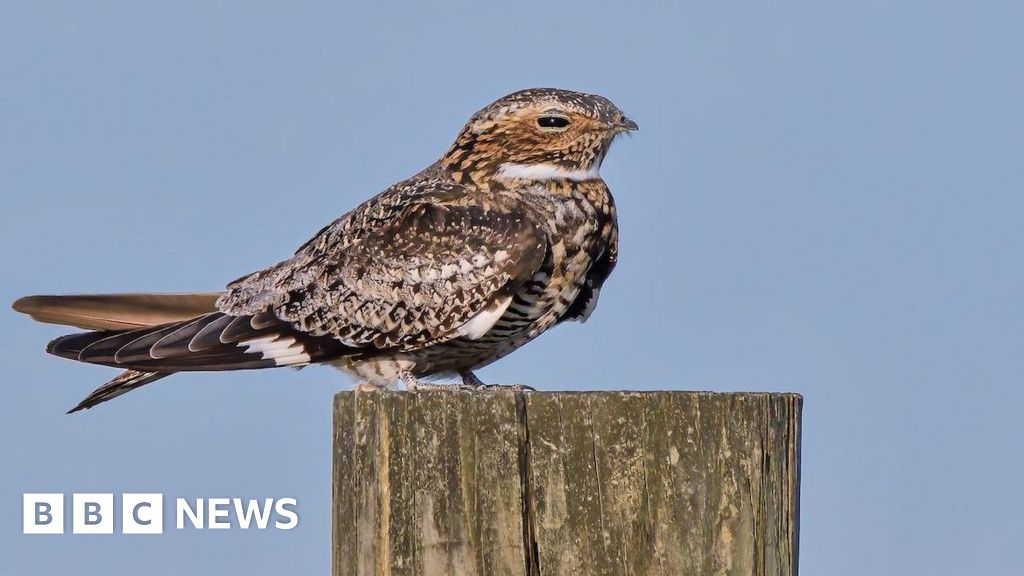
In a heartening turnaround for wildlife conservation, the nightjar population in a National Park has surged, with estimates suggesting a doubling of numbers since 2019. The nocturnal birds, often called 'goatsuckers' due to an old myth that they milked goats, have benefited from targeted conservation efforts aimed at preserving their habitat and reducing human interference.
Key Points
- ✅ Nightjar population has doubled in five years
- ⚡ Conservation efforts include habitat restoration and light pollution reduction
- 💡 Nightjars are nocturnal birds often misunderstood due to their name
The increase in nightjar numbers is a significant victory for conservationists who have worked tirelessly to protect the species. The birds, known for their distinctive calls and camouflage plumage, were once at risk due to habitat loss and increased light pollution, which disrupts their nocturnal activities.
| Conservation Measure | Impact on Nightjars |
|---|---|
| Habitat Restoration | Provided safe nesting and feeding grounds |
| Light Pollution Reduction | Reduced disruption to nocturnal activities |
Local conservationists have implemented a range of strategies to support the nightjar population. These include restoring heathland habitats, reducing artificial lighting in key areas, and engaging with the public to raise awareness about the birds' plight. The efforts have not only helped the nightjars but have also benefited other nocturnal species that share the same habitats.
The success story of the nightjars serves as a beacon of hope for other conservation projects. It demonstrates that with targeted efforts and community involvement, it is possible to reverse the decline of even the most elusive species. Conservationists are now looking to expand these strategies to other areas where nightjars are struggling.
💡 Pro Tip
To support nocturnal wildlife, consider reducing outdoor lighting and participating in local conservation initiatives.
The nightjar's remarkable comeback is a testament to the power of conservation. As the birds continue to thrive, they offer a glimpse into the potential for other species to recover with the right support and protection. The National Park's commitment to preserving its natural heritage has not only benefited the nightjars but has also enriched the biodiversity of the entire ecosystem.
- First — Restore natural habitats to provide safe spaces for wildlife
- Second — Reduce light pollution to minimize disruption to nocturnal species
- Third — Engage the community to raise awareness and support conservation efforts
Conservationists are hopeful that the success of the nightjar project will inspire similar initiatives elsewhere. By learning from this example, other regions can work towards protecting their own unique wildlife and ensuring a brighter future for all species.
- 📊 Targeted conservation efforts can significantly boost wildlife populations
- 🔍 Community involvement is crucial for the success of conservation projects
- ⚠️ Continued vigilance is needed to maintain and build upon these gains
The nightjar's story is one of resilience and hope. As we celebrate this remarkable comeback, it is a reminder of the importance of preserving our natural world and the species that call it home. The National Park's dedication to conservation serves as an inspiring example for others to follow.
📋 By The Numbers
- 5 years — Timeframe for the nightjar population to double
- 2019 — Year when conservation efforts were significantly ramped up
