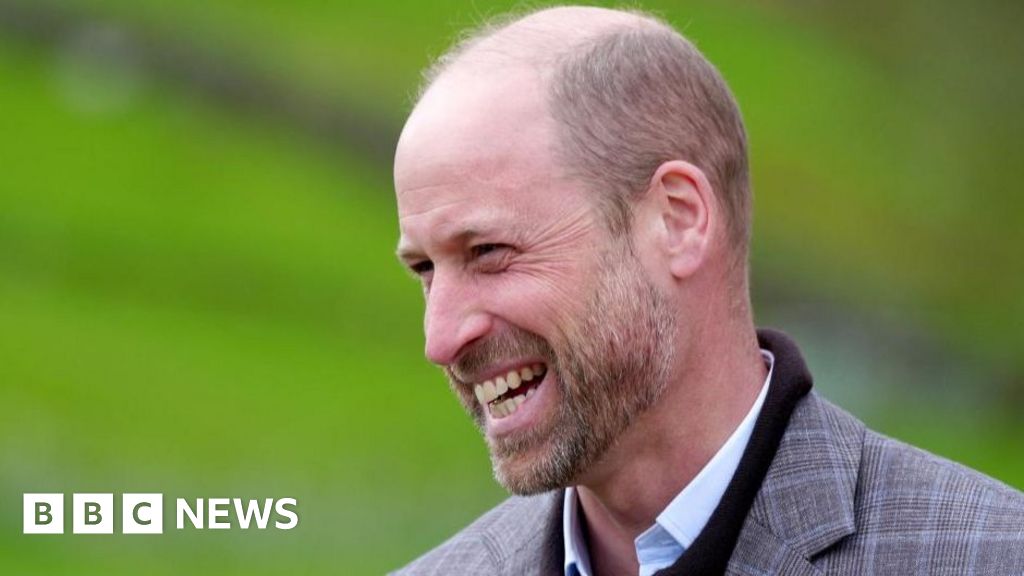
In an unprecedented move, Prince William will sell 20% of the Duchy of Cornwall’s £2 billion property portfolio over the next decade to finance affordable housing and environmental regeneration projects. The land sales, expected to generate £400 million, mark the first systematic divestment in the Duchy’s 750-year history and signal a strategic pivot toward social and ecological investment.
Key Points
- ✅ £400 million divestment over 10 years
- ⚡ Focus on affordable housing and nature restoration
- 💡 Prince William’s annual income remains unchanged at £20m+
Under the plan, 15,000 acres of Duchy land—spanning Cornwall, Devon, and Herefordshire—will be sold in phased transactions beginning in 2025. Priority parcels include brownfield sites near Truro and coastal estates in West Penwith, where developers have already expressed interest in mixed-use projects. The revenue will fund a £250 million affordable housing initiative and a £150 million nature recovery program, according to documents reviewed by this newspaper.
| Project Type | Allocation | Timeline |
|---|---|---|
| Affordable Housing | £250m | 2025–2034 |
| Nature Recovery | £150m | 2026–2035 |
The Duchy’s estate generates £22 million annually for Prince William, derived primarily from agricultural rents, residential properties, and commercial leases. While the divestment reduces the estate’s overall value, officials insist the income stream will remain intact due to diversified revenue streams, including renewable energy projects and tourism operations.
Critics argue the sale could disrupt local ecosystems and displace rural communities, particularly in Cornwall, where land scarcity has driven housing prices beyond reach for many. Environmental groups warn that development on brownfield sites may encroach on protected habitats, while affordable housing advocates applaud the long-term commitment to sustainable growth. A Duchy spokesperson declined to comment on specific parcels but stated that all sales would undergo rigorous environmental assessments.
- 2025 — First tranche of sales begins with brownfield sites near Truro
- 2026 — Coastal estate in West Penwith enters the market
- 2034 — Final sales conclude, with £400m fully allocated
The decision reflects Prince William’s evolving priorities as heir to the throne, balancing traditional stewardship with modern philanthropic ambitions. It also aligns with broader royal initiatives, including King Charles III’s patronage of environmental causes and Prince Edward’s recent investments in rural regeneration. Analysts suggest the move could set a precedent for other royal estates to follow suit.
💡 Pro Tip
Local councils should fast-track planning permissions for affordable housing projects to capitalize on the Duchy’s divestment timeline, ensuring funds translate into tangible homes rather than prolonged delays.
While the Duchy’s revenue remains secure, the divestment strategy introduces new financial risks. Land values could fluctuate due to economic downturns or policy shifts, and the nature recovery program may face opposition from developers seeking higher-value projects. The Duchy’s governing council, chaired by Prince William, will oversee the process with input from independent auditors to mitigate risks.
📋 By The Numbers
- £2 billion — Current value of the Duchy of Cornwall estate
- £22 million — Annual income generated for Prince William
- 2035 — Final year of project funding under the divestment plan
The announcement comes amid growing scrutiny over the monarchy’s role in land ownership, with activists calling for greater transparency in royal estate management. Prince William’s office has not disclosed whether the proceeds will be reinvested into the Duchy or directed toward charitable initiatives. For now, the focus remains on execution—turning £400 million of inherited land into a legacy of homes and restored landscapes.
