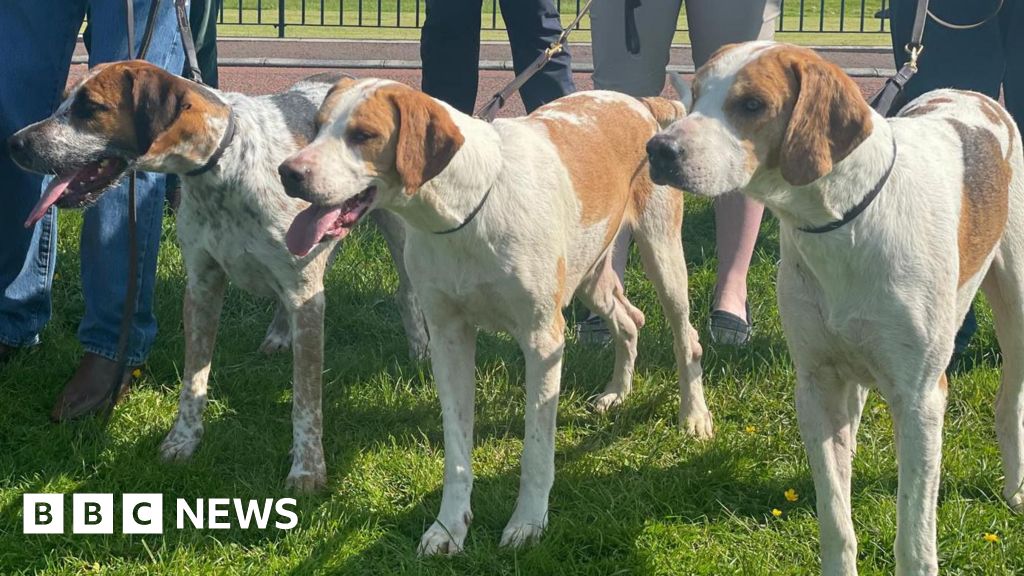
Thousands of dog owners across Northern Ireland could face prosecution under a new Stormont bill designed to ban traditional hunting, campaigners warn. The proposed legislation, set for a final vote in the Assembly next month, contains wording so broad it risks criminalising legal activities such as trail hunting and gun dog training.
The bill’s critics, including the Ulster Farmers’ Union and the Country Alliance, argue the ban’s vague terminology leaves no clear distinction between illegal blood sports and legitimate countryside pursuits. Under current proposals, activities like drag hunting—where hounds follow a scent trail rather than live quarry—could be misclassified as illegal hunting, exposing participants to fines or even custodial sentences.
Key Points
- ⚠️ Stormont bill set for final vote in March
- 🐕 2,400 active gun dog licences issued in 2023
- 🔍 Vague wording risks criminalising legal hunting practices
Fermanagh farmer Seamus O’Neill, who runs a licensed trail hunting club, said the bill’s ambiguity threatens livelihoods. “We follow strict guidelines, but if the wording isn’t tightened, we could be shut down overnight,” O’Neill told this newspaper. The Department of Agriculture, which drafted the bill, has yet to respond to requests for clarification on its enforcement guidelines.
| Activity | Current Status | Proposed Ban Impact |
|---|---|---|
| Drag Hunting | Legal with licence | Unclear—may require reclassification |
| Trail Hunting | Legal with restrictions | Risk of criminalisation |
| Gun Dog Training | Legal | Potential prosecution for incidental hunting |
Legal experts warn the bill’s lack of precision mirrors past controversies over Northern Ireland’s firearms laws. “The language needs to explicitly exclude recognised sporting activities,” said Belfast solicitor Aoife McKenna. “Otherwise, the courts will be clogged with cases that should never have been brought.”
📋 By The Numbers
- 32 — Proposed penalty points for illegal hunting offences
- £2,500 — Maximum fine for first-time offenders
In a rare show of cross-party concern, both the DUP and Sinn Féin have privately expressed unease over the bill’s wording. Sources within the Assembly say amendments are being drafted to clarify the scope, but no changes have been tabled publicly. Meanwhile, rural communities brace for the worst. “People are scared,” said O’Neill. “This isn’t about banning cruelty—it’s about whether we can even take our dogs out tomorrow.”
💡 Pro Tip
Dog owners should request written confirmation from local authorities confirming their activities’ legality before the bill’s final vote. A paper trail now could prevent prosecution later.
The Stormont bill’s final reading is scheduled for March 12. If passed unamended, enforcement could begin within six months, leaving little time for legal challenges or clarifications. In Westminster, Conservative MP Julian Smith has already urged the Northern Ireland Office to intervene, calling the bill “a legal minefield waiting to explode.”
- 📅 March 12 — Final Assembly vote on hunting ban
- ⚖️ Potential six-month enforcement window post-passage
- 🏛️ Westminster urged to review legal risks
For now, the clock is ticking—and the countryside is holding its breath.