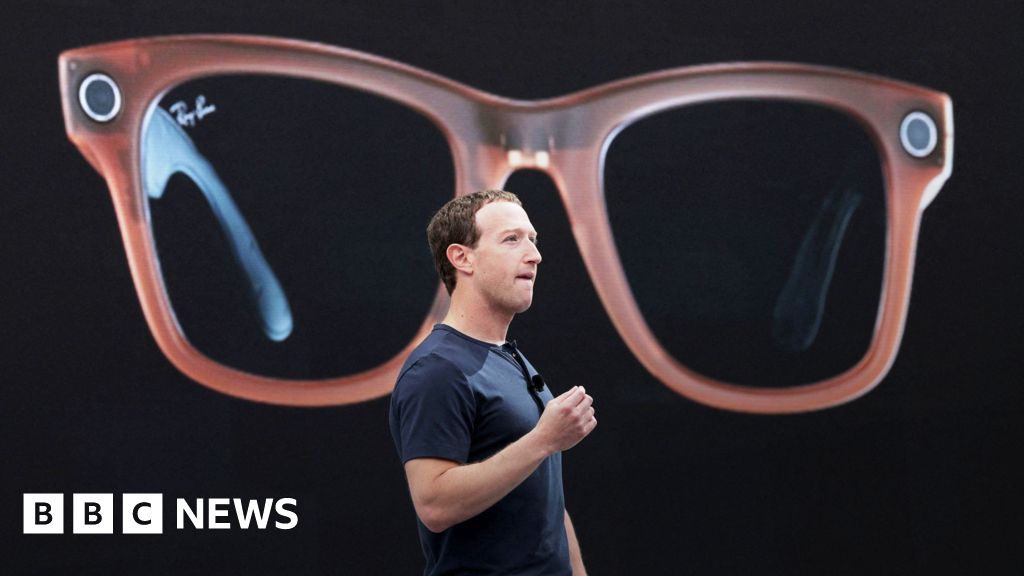
The viral spread of covert footage captured by strangers wearing Meta’s Ray-Ban Meta smart glasses has triggered a privacy reckoning, with victims describing a chilling sense of exposure after their images are posted online without permission.
Women in coastal cities have become the most frequent targets, according to support groups. One woman in Brighton told us she first noticed a clip on a TikTok account last month showing her walking into a boutique, filmed from across the street by a stranger wearing Ray-Bans. Only after the clip had racked up 200,000 views did she realize she had been recorded. When she messaged the account owner, she received a reply offering removal—for a £20 fee.
Key Points
- ⚠️ Recordings made without consent are being monetized by creators
- 🔍 Meta’s smart glasses currently dominate the AI eyewear market
- 💡 UK privacy law treats public-space filming as legal, leaving victims with limited recourse
A Meta spokesperson confirmed that the company has received “a small but rising number” of complaints about unauthorized footage but declined to detail enforcement actions. The firm added that its glasses display a green LED when recording, though users report that this light can be obscured or ignored by the wearer.
| Smart Glasses | Recording Indicator | Privacy Policy |
|---|---|---|
| Meta Ray-Ban | Green LED on hinge | Permits third-party use of uploaded clips |
| RayNeo X2 | No visible indicator | Restricts sharing without consent |
| XReal Air 2 Ultra | Blue LED on frame | Allows social-media sharing by default |
Privacy advocates warn that the green LED is unreliable. “A brief flash can be missed in sunlight, and the wearer can simply avert their gaze,” said Dr. Eleanor Voss, a digital rights researcher at the University of Sussex. “Meta’s design prioritizes viral content over user safety.”
💡 Pro Tip
Hold your palm in front of the wearer’s glasses for two seconds—most AI lenses will pause recording when obstructed.
Meta’s latest quarterly earnings show Ray-Ban Meta glasses sales up 38% year-on-year, outpacing all other smart glasses brands. The company shipped 1.2 million units in Q2 alone, with projections to exceed 5 million by year-end. Rival brands have responded with stricter privacy controls: XReal’s latest firmware now blocks recording if the wearer’s face is not detected, and RayNeo’s glasses mute audio unless the wearer explicitly enables it.
📋 By The Numbers
- 5 million — Estimated number of Ray-Ban Meta glasses in circulation worldwide
- £1.8 million — Potential earnings if just 1% of covert clips are monetized via ads or subscriptions
- 12 — UK police forces with open investigations into secret recordings made by smart glasses
Legal experts say UK law offers little protection. Under the Data Protection Act 2018, filming in public is generally allowed unless there is a “reasonable expectation of privacy,” a threshold that courts have set narrowly. “A woman walking down the street has no expectation of privacy,” said solicitor Daniel Kershaw. “But posting her image online without consent crosses into harassment territory.”
- Report the clip — Flag the video to the platform and request removal under harassment or privacy policies
- Contact the wearer — If identifiable, send a formal cease-and-desist letter; some have succeeded in securing removals
- File a complaint — Submit evidence to local police; while convictions are rare, reports help build case law
The backlash has forced Meta to fast-track software updates. A coming firmware patch will add a louder, sustained beep when recording starts, along with a persistent banner on connected apps. The changes will roll out to all Ray-Ban Meta glasses by late September, the company confirmed. Whether these measures will calm critics remains uncertain—especially as the glasses’ viral appeal shows no sign of fading.
