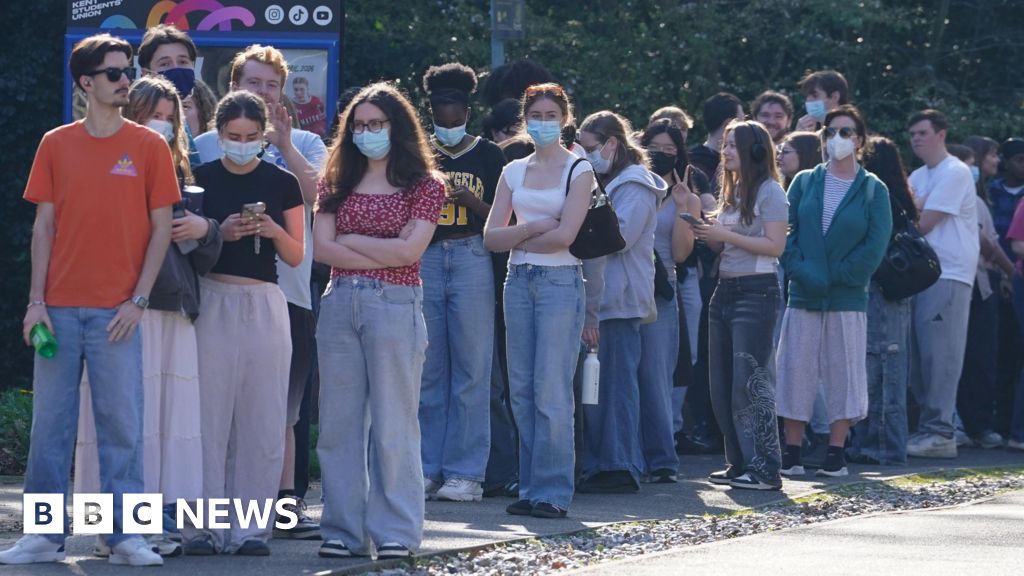
The scramble for meningitis vaccines turned chaotic this week as students at the University of Kent, Canterbury Christ Church University, and the University of Greenwich faced queues stretching beyond two hours in some cases. Health authorities confirmed the outbreak’s first death—a 21-year-old student—on Monday, prompting an immediate expansion of the vaccination program to all higher education campuses in the region.
The rare MenW strain, known for its aggressive onset, has infected six individuals since late September, with cases reported in Canterbury, Maidstone, and Folkestone. Local NHS trusts, working with Public Health England, have rerouted staff from non-urgent services to staff mobile clinics at key campus hotspots. Meanwhile, the University of Kent suspended all large indoor gatherings, including lectures in the largest lecture halls, effective immediately.
Key Points
- ✅ First death reported in Canterbury; age and institution withheld for privacy
- ⚡ MenW strain detected in six cases; two require intensive care
- 💡 Mobile clinics deployed at all three major universities
Students described scenes of frustration, with some arriving before dawn only to wait alongside peers who had registered online hours earlier. Third-year biology student Priya Mehta, 22, waited three hours at the University of Kent’s campus hub before receiving her shot. “I saw people in scrubs running between tents—it felt like a war zone,” she said. Health officials emphasized that the expanded program aims to vaccinate 95% of eligible students within two weeks, though supply constraints may delay full coverage.
| University | Daily Capacity | Current Wait Time |
|---|---|---|
| University of Kent | 400 doses | 120-180 minutes |
| Canterbury Christ Church | 300 doses | 90-150 minutes |
| University of Greenwich (Medway) | 200 doses | 60-120 minutes |
💡 Pro Tip
Book an appointment online even if slots appear full—health teams release cancellations hourly as supply chains adjust.
Public Health England has issued a stark warning about the MenW strain, noting a 15% mortality rate in untreated cases and a 24-hour window for antibiotics to prevent severe complications. The agency is urging students who suspect symptoms—high fever, stiff neck, or a distinctive rash—to seek emergency care without delay. Meanwhile, pharmacies across Kent have reported a 400% spike in requests for meningitis vaccines, straining private supply chains.
📋 By The Numbers
- 6 — Confirmed cases in Kent since September
- 1 — Death linked to MenW strain
- 2,300 — Doses administered in 48 hours
- 95% — Target vaccination coverage among eligible students
The outbreak has reignited debates over mandatory vaccination policies in higher education. The National Union of Students called for a coordinated national response, citing inconsistent policies across universities. “This isn’t just a Kent problem—it’s a systemic failure,” said NUS vice-president Chloe Ward. The Department for Education has yet to comment on potential nationwide measures.
- 📊 89% of Kent’s student population lives in private housing, complicating contact tracing efforts
- 🔍 Wastewater testing in Canterbury detected MenW genetic material days before the first case was confirmed
- ⚠️ GPs report delays in routine childhood vaccinations due to staff redeployments
As the crisis deepens, health officials are preparing for a potential second wave this winter. They’ve secured an additional 5,000 doses from the NHS national reserve, with priority given to universities with the longest wait times. For now, students remain in limbo—caught between the urgency of the outbreak and the slow grind of bureaucracy.