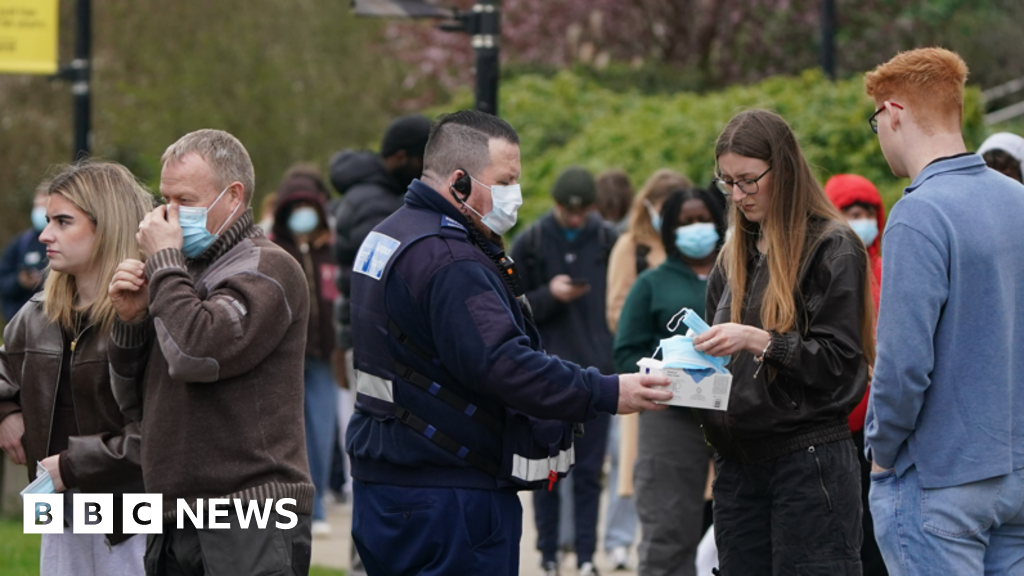
A fast-moving meningitis outbreak in Kent has left two teenagers dead and 13 others fighting for their lives in hospital, triggering furious accusations that health authorities moved too slowly to contain the crisis.
Among the victims are 17-year-old Daniel Reeves of Ashford and 16-year-old Mia Patel of Folkestone, both struck down within days of each other in early October. Their families have since demanded urgent meetings with UK Health Security Agency (UKHSA) officials, alleging weeks passed before proactive measures were taken. UKHSA insists it issued warnings within 48 hours of the first confirmed case on September 3 but acknowledges that parental frustration has overshadowed its response.
Key Points
- ✅ Two teenagers died in Kent meningitis outbreak
- ⚡ 13 hospitalized, including critical cases
- 💡 Families accuse authorities of delayed action
Critics point to the UKHSA’s delayed rollout of precautionary antibiotics in schools across the affected areas, with some schools receiving supplies only after public outrage peaked. Kent County Council’s director of public health, Dr. Sarah Whitmore, confirmed that while vaccination clinics were swiftly arranged, antibiotic distribution was not prioritized uniformly. “We acted on the science, but public perception of speed differs from operational reality,” she said.
| Action | Timeline | Status |
|---|---|---|
| First case reported | September 3 | Confirmed |
| UKHSA alert issued | September 5 | Public and schools notified |
| Antibiotic distribution | September 18–22 | Delayed in some areas |
| Mass vaccination clinics | October 1–10 | Ongoing |
The outbreak has exposed gaps in Kent’s public health infrastructure, particularly in rural towns where access to medical facilities remains limited. Local MP Roger Kingsley has called for an independent review, stating, “This isn’t just about speed—it’s about ensuring no community is left vulnerable due to bureaucratic delays.” The UKHSA has pledged to review its protocols to address the criticism.
📋 By The Numbers
- 48 hours — Time between first case and UKHSA alert
- 7 days — Delay in antibiotic distribution to some schools
Health experts warn that meningitis outbreaks often escalate rapidly, with case numbers doubling within days if untreated. Dr. Mark Hargreaves, an infectious disease specialist at Canterbury Christ Church University, noted that while the UKHSA’s response was “within acceptable parameters,” the emotional toll on affected families cannot be underestimated. “The science may be sound, but public trust erodes when lives are lost,” he said.
💡 Pro Tip
Parents should request immediate antibiotic prophylaxis for children exposed to meningitis, even if symptoms haven’t appeared—time is critical in preventing severe outcomes.
As the outbreak’s peak appears to have passed, health authorities are now focused on long-term prevention. The Kent and Medway NHS and Social Care Partnership Trust has announced plans to expand meningitis vaccination programs in schools, targeting over 20,000 students by December. Yet for the families of Daniel and Mia, no policy change can reverse their loss.
- 📊 The outbreak’s highest concentration occurred in schools with lower vaccination rates
- 🔍 Antibiotics were distributed unevenly due to logistical bottlenecks
- ⚠️ Rural areas faced delayed medical responses compared to urban centers
UKHSA officials have privately conceded that the crisis has forced a reckoning with their preparedness for sudden disease surges. With meningitis cases rising 15% nationally this year, the Kent outbreak may serve as a case study for how quickly public health systems can adapt—or fail.”
