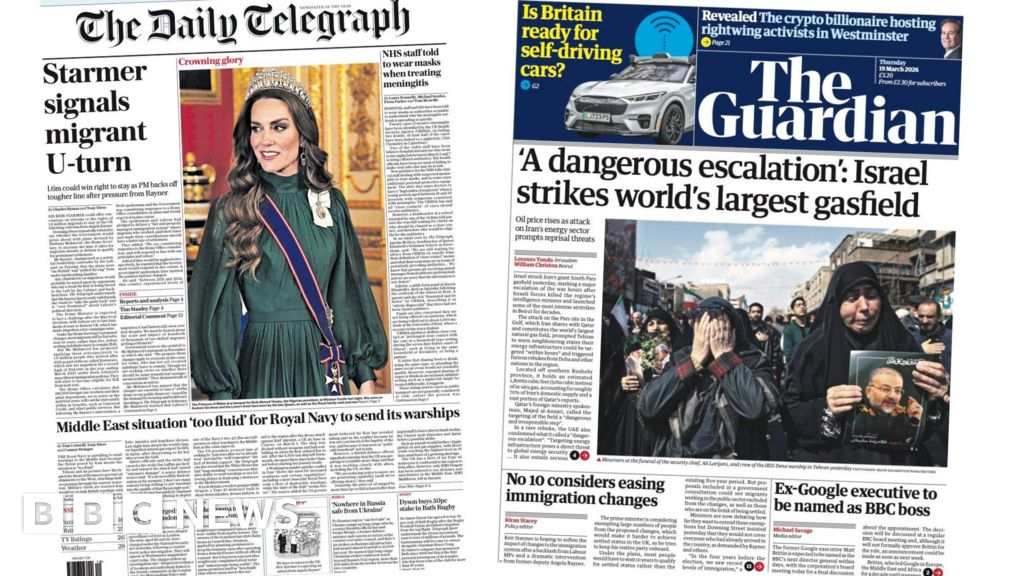
The British government has refused to confirm whether it will proceed with plans to extend the qualifying period for most migrant workers to secure permanent UK residency, triggering fresh criticism from senior Labour figures.
Angela Rayner, Labour’s deputy leader, described the proposals as "un-British" and called for an immediate reversal. Her remarks have intensified divisions within the party, with insiders suggesting "leadership rivals" are now openly challenging Keir Starmer’s stance on migration.
Key Points
- ⚖️ Downing Street has not clarified if Labour will abandon plans to double the residency qualification period for migrant workers
- 🔥 Angela Rayner publicly condemned the proposals as "un-British," escalating internal party pressure
- 🗳️ Reports indicate growing dissent among Labour MPs over the party’s migration policy direction
In a separate escalation, Israeli airstrikes on Iran’s South Pars gas field—a joint venture with Qatar—have triggered warnings of a "full-scale economic war" from Tehran. The strikes, which occurred late Wednesday, targeted infrastructure in the Gulf, a region already grappling with heightened tensions.
📋 By The Numbers
- 6% — Increase in global oil prices following the Israeli strike on the South Pars field
- $4.2 trillion — Estimated annual global trade value reliant on the Strait of Hormuz, through which 20% of the world’s oil passes
The United Arab Emirates condemned the strikes as a "dangerous escalation," while Iran’s foreign ministry vowed retaliatory measures against "Israeli aggression" and its allies. Analysts warn the strikes risk destabilising regional energy markets, already strained by geopolitical volatility.
| Impact Area | Direct Effect | Secondary Risk |
|---|---|---|
| Oil Prices | 6% immediate spike | Prolonged inflation pressure |
| Energy Supply | Potential disruption in Gulf exports | Global supply chain delays |
| Military Escalation | Iran’s vow of retaliation | Regional conflict spillover |
The US Federal Reserve has signalled potential interest rate cuts despite rising oil prices and inflation risks, though Chair Jay Powell cautioned that the economic impact of the widening Mideast conflict remains "too soon to determine."
💡 Pro Tip
Energy analysts suggest businesses with exposure to global oil markets should prepare for volatility by hedging fuel costs and reviewing supply chain contingencies over the next 90 days.
Meanwhile, in London, the Metropolitan Police’s chief, Sir Mark Rowley, has demanded the US release unredacted files related to Jeffrey Epstein, citing the need for transparency in a case that has drawn international scrutiny. Rowley’s call follows a fatal meningitis outbreak in Kent, where grieving parents allege the deaths of children could have been prevented through broader vaccine uptake.
- 📊 Recent data shows uptake of the meningitis B vaccine in the region remains below 80%, below the 95% threshold needed for herd immunity
- 🔍 Public health officials confirm the current outbreak is caused by a strain covered by existing vaccines
- ⚠️ Campaigners warn that anti-vaccine sentiment, fuelled by misinformation, is undermining public health efforts
As diplomatic and military tensions rise, the UK finds itself navigating a precarious geopolitical landscape, with its migration policies under scrutiny and its energy security at risk.
- Immediate Focus — Downing Street’s silence on migrant residency plans amid Labour infighting
- Regional Fallout — Israeli strikes on Iran’s South Pars field prompt threats of economic retaliation
- Global Markets — Oil price surge tests central bank responses to inflation risks