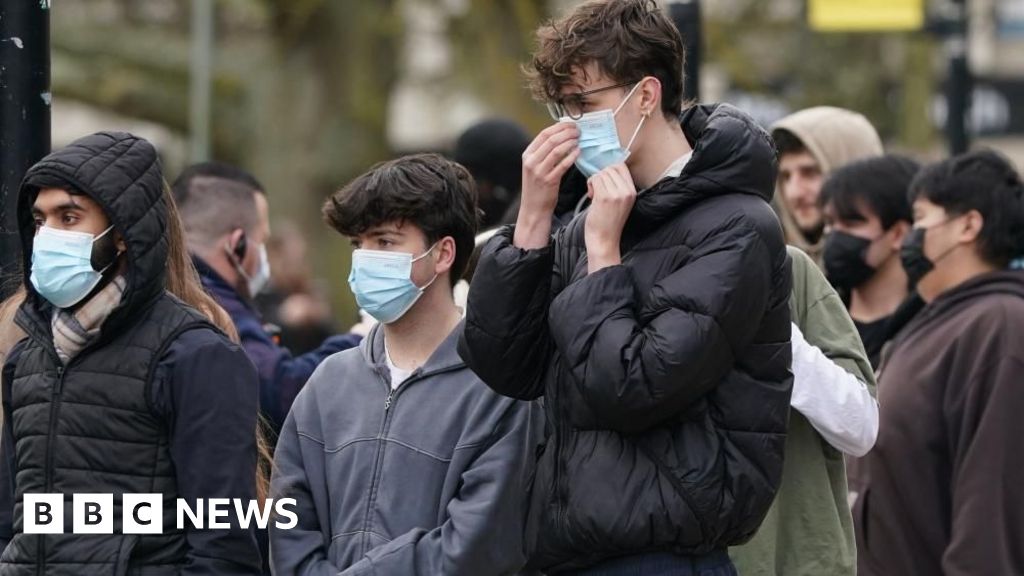
Public Health England has confirmed a cluster of invasive meningococcal group W (MenW) cases in Kent, with the highly contagious strain disproportionately affecting teenagers. Of 12 confirmed cases this year, 10 involved individuals aged 15 to 19, all of whom lacked the MenACWY vaccine, which protects against four meningococcal strains including MenW.
Canterbury and Maidstone have reported the highest concentrations, with three cases each. The outbreak’s rapid escalation has alarmed local clinicians, who note MenW’s 10% mortality rate and potential for severe complications such as septicaemia and limb amputations. Canterbury Christ Church University has suspended a student-led charity event after two attendees were hospitalized with suspected meningitis.
💡 Pro Tip
Parents and guardians should verify their child’s vaccination status via the NHS App or GP records immediately. Delaying MenACWY vaccination increases exposure risk, especially in communal settings like universities and schools.
The strain, ST-11, is the same one responsible for a 2015-2018 national outbreak that sickened over 200 people. Back then, the government introduced a catch-up vaccination program for teens, slashing case numbers by 75%. Health authorities are now considering a similar emergency drive, though no formal campaign has been announced.
| Location | Confirmed Cases | Hospitalizations |
|---|---|---|
| Canterbury | 3 | 2 |
| Maidstone | 3 | 1 |
| Ashford | 2 | 1 |
| Dover | 2 | 2 |
| Other Kent areas | 2 | 1 |
Dr. Eleanor Hayward, Kent’s director of public health, stated, "We’re seeing a worrying trend among older teenagers who missed their routine MenACWY vaccine. The bacteria spreads silently in crowded environments, and symptoms can mimic flu, delaying critical treatment."
Key Points
- ✅ MenW strain circulating in Kent is unvaccinated in 83% of teen cases
- ⚡ Canterbury Christ Church University event linked to two hospitalizations
- 💡 Vaccine uptake among 14-18-year-olds in Kent is 68%, below national average
NHS Kent and Medway has opened temporary vaccination clinics in Canterbury and Maidstone, prioritizing 14-19-year-olds. Walk-ins are accepted, but officials urge booking via the NHS website to manage demand. The clinics operate extended hours, including weekends, to accommodate school schedules.
📋 By The Numbers
- 68% — Teen vaccination rate in Kent (target: 95%)
- 10% — Mortality rate for MenW infections
- 75% — Reduction in MenW cases after 2015 vaccination campaign
Symptoms to watch for include sudden high fever, stiff neck, headache, and a rash that doesn’t fade under pressure. Health experts stress that early antibiotic treatment can be lifesaving, with delays often leading to permanent damage. Schools across Kent have been sent alert letters outlining symptom recognition and isolation protocols. Parents are advised to keep children home if they exhibit any signs and contact NHS 111 immediately.
- Seek vaccination — Book MenACWY appointments at local clinics or via GPs
- Monitor symptoms — Check for rash, fever, and neck stiffness, especially in teens returning from university
- Isolate and act — Suspected cases must avoid contact with others and seek urgent medical advice
The outbreak coincides with a national rise in MenW cases, with Public Health England reporting a 30% increase in laboratory-confirmed cases compared to the same period last year. The surge has prompted the UK Health Security Agency to reassess its vaccination strategy, though no changes to the current schedule are expected before autumn. In the meantime, local health leaders are urging vigilance, with Kent’s chief medical officer warning, "This is not just a Kent issue—it’s a regional concern that demands collective action."