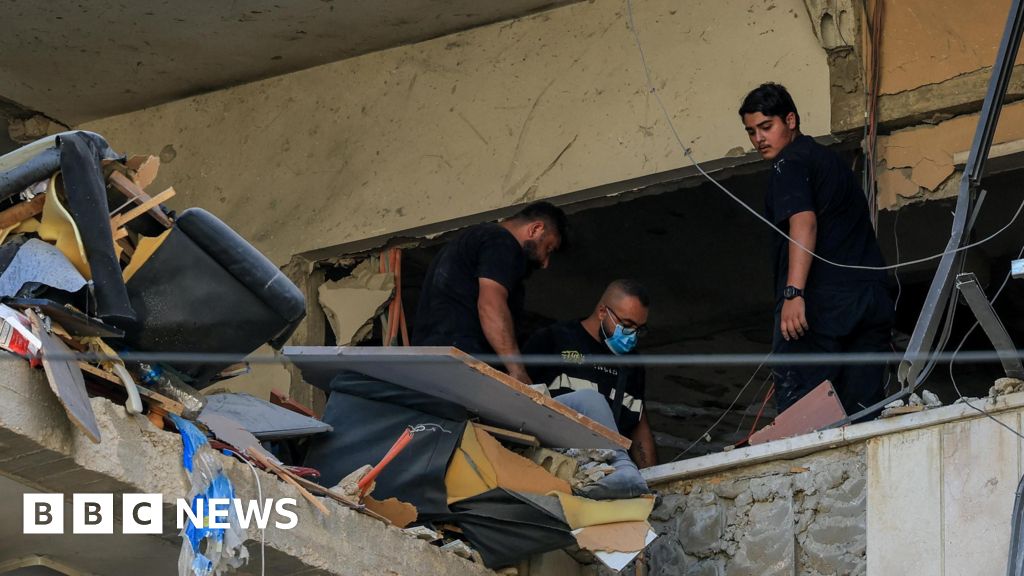
An Israeli airstrike pounded the southern outskirts of Beirut late Tuesday, targeting what officials described as a Hezbollah command center in the densely populated Dahieh district. The attack, confirmed by Lebanese Interior Minister Bassam Mawlawi, killed at least three people and injured seven, according to the Lebanese Health Ministry. Local residents reported explosions rocking the area just before midnight, sending plumes of smoke into the night sky.
The strike follows a series of violations of the US-brokered truce, which took effect last Wednesday. Hours after the ceasefire was announced, Hezbollah fired a barrage of rockets toward northern Israel, prompting immediate condemnation from Washington and Brussels. Israel responded with artillery fire, but refrained from launching airstrikes until Tuesday evening.
Key Points
- ✅ First direct Israeli strike on Beirut since last week’s truce
- ⚡ At least three killed, seven injured in Tuesday’s attack
- 💡 Hezbollah rocket fire violated the fragile ceasefire within hours of its announcement
Lebanese Prime Minister Najib Mikati called an emergency cabinet meeting Wednesday morning, branding the strike a "blatant violation" of Lebanese sovereignty. "This attack will not go unanswered," Mikati told reporters, though he provided no immediate details on potential retaliation. The Lebanese Armed Forces confirmed they were on high alert but did not engage Israeli aircraft.
| Aspect | Hezbollah Response | Israeli Action |
|---|---|---|
| Tuesday | Rocket fire into northern Israel | Airstrike on Beirut suburbs |
| Wednesday | No immediate retaliation declared | Continued military readiness |
The US State Department issued a statement Wednesday expressing "deep concern" over the escalation, urging both sides to return to negotiations. "Violence only leads to more suffering," a spokesperson said. Meanwhile, Hezbollah’s Al-Manar TV aired footage of its fighters preparing for further clashes, though no official claims of responsibility for the rocket attacks were made.
💡 Pro Tip
Security analysts warn that the current truce is paper-thin. Avoid non-essential travel to southern Lebanon and northern Israel until further notice.
Tuesday’s strike marks the most significant breach of the ceasefire since it was brokered in Cairo last week. The truce, mediated by the US, Qatar, and Egypt, aimed to halt weeks of cross-border violence that has left at least 200 dead on both sides since October. Hezbollah had initially agreed to the ceasefire after intense international pressure, but sporadic clashes have continued.
- 📊 The truce held for less than 48 hours before the first violation
- 🔍 Israel’s Tuesday strike was precise but carried high political risk
- ⚠️ Analysts warn that further escalation could drag Lebanon into a wider regional conflict
International observers are closely monitoring the situation. The EU’s foreign policy chief, Josep Borrell, called for "maximum restraint" and warned that any further violations could derail diplomatic efforts. Borrell emphasized that the fragile truce remains the only viable path to de-escalation, despite its shaky implementation.
📋 By The Numbers
- 200+ deaths — Total fatalities since October’s cross-border violence
- 48 hours — Duration the truce held before first violation