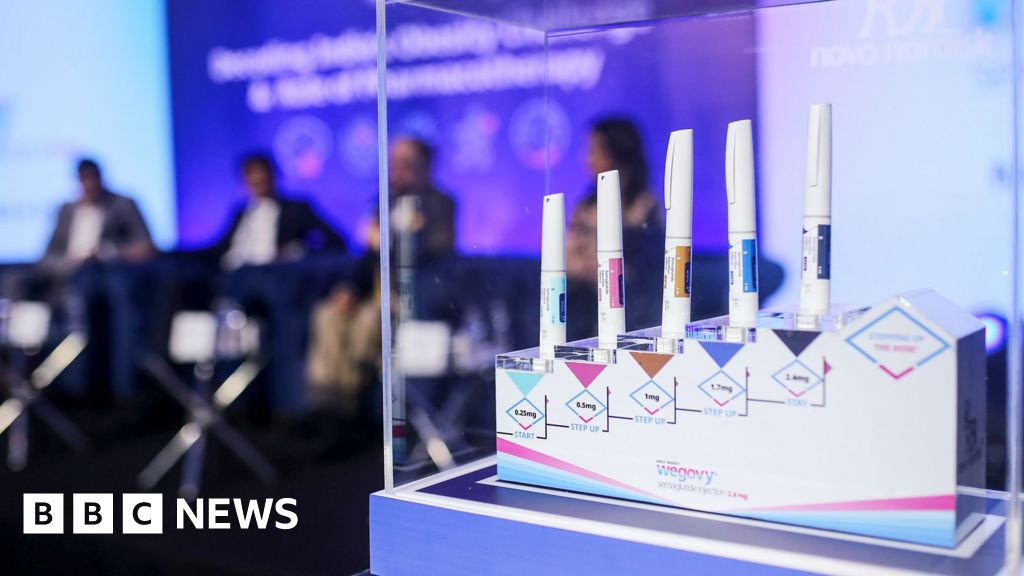
The global obesity treatment market faces a seismic shift as Indian manufacturers slashed the price of semaglutide—a blockbuster weight-loss drug—by 90%, undercutting Western counterparts and triggering a pricing war that could redefine healthcare access for millions.
For the first time, a first-world obesity treatment is within reach for low- and middle-income countries, where more than 80% of the world’s obese population resides. Indian pharma giants Cipla, Dr. Reddy’s Laboratories, and Sun Pharmaceutical Industries have already begun exporting generic versions to Africa, Latin America, and Southeast Asia, with shipments expected to triple by 2025.
📋 By The Numbers
- 1.2 billion — People worldwide classified as obese, per WHO
- 400 million — Obese adults in India alone, the highest national total
- $150 billion — Projected global market for obesity drugs by 2030
But the revolution carries risks. Regulators in Europe and North America are scrambling to verify the safety and efficacy of these generics, which bypass traditional clinical trials by relying on data from India’s Central Drugs Standard Control Organization. The U.S. FDA has warned patients against unapproved imports, citing concerns over counterfeit batches and inconsistent dosing.
| Drug Type | Brand Name (U.S.) | Indian Generic |
|---|---|---|
| Semaglutide injection | Ozempic/Wegovy | Semacure |
| Liraglutide injection | Saxenda | Slimgen |
Indian manufacturers dismiss concerns, pointing to their compliance with WHO’s Good Manufacturing Practices. “We’re not cutting corners,” said Dr. Kiran Mazumdar-Shaw, executive chair of Biocon Biologics. “We’re democratizing healthcare. The data speaks for itself—our generics are bioequivalent to the originals.”
Key Points
- ✅ Indian generics slash semaglutide costs from $1,200 to $120 for three months
- ⚡ Exports to Africa, Latin America, and Southeast Asia expected to triple by 2025
- 💡 WHO warns unapproved imports may pose safety risks without FDA oversight
The price war has forced Western pharma giants like Novo Nordisk and Eli Lilly to slash their own prices in emerging markets, offering Ozempic and Mounjaro at 30% below U.S. rates. Still, the gap remains vast. In Kenya, a three-month supply of Ozempic costs $180—while the Indian generic sells for $90.
💡 Pro Tip
Consult a doctor before switching to Indian generics—even with lower prices, dosage consistency varies by manufacturer.
Patients in the U.S. and Europe are already turning to online pharmacies to import the drugs, despite legal gray areas. Customs seizures of unapproved obesity drugs surged 40% last quarter, according to Interpol. “We’re seeing desperate patients taking extreme risks,” said Dr. Fatima Ahmed, an endocrinologist in London. “The demand is outpacing supply—and safety is the casualty.”
- Immediate impact — Indian generics force global price cuts, expanding access but risking quality control issues.
- Regulatory response — FDA and EMA tighten scrutiny of imported generics, while WHO urges caution.
- Long-term shift — If approved, Indian generics could capture 60% of the global obesity drug market by 2027.
The stakes extend beyond obesity. Diabetes, a condition closely linked to weight gain, could see similar price reductions. Sun Pharmaceutical has already launched a generic metformin-Semaglutide combination, priced at $50 for a month’s supply in India—compared to $500 for the U.S. version. The ripple effects are reshaping not just healthcare economics, but the very fabric of medical innovation.
- 📊 Indian generics could reduce global obesity treatment costs by $100 billion annually by 2030
- 🔍 Counterfeit drugs from unregulated markets threaten to undermine trust in generics
- ⚠️ Western pharma firms pivot to “affordable access” programs, but critics call it damage control