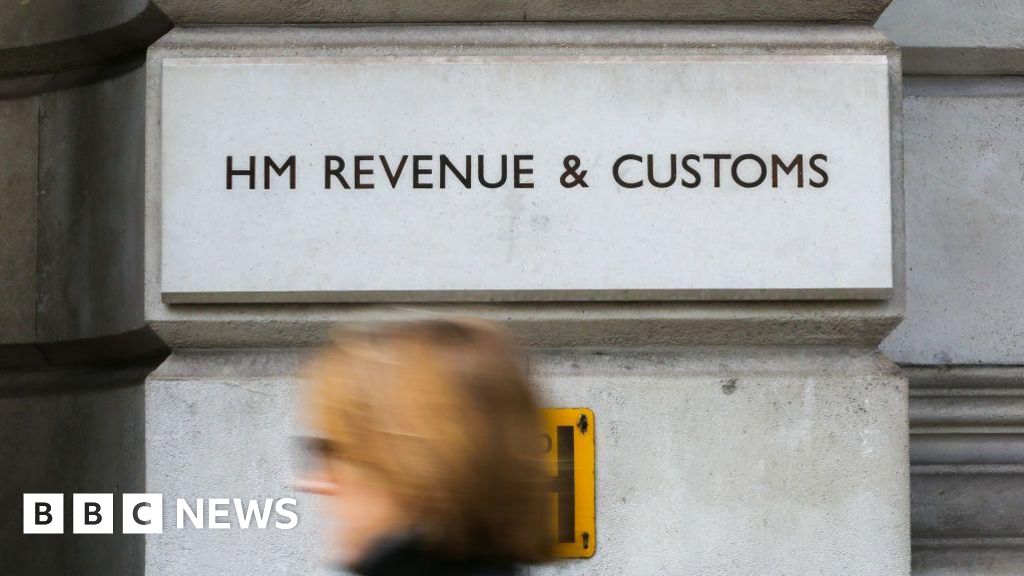
HM Revenue & Customs has finalised a £175 million, decade-long contract with Cambridge-based Quantexa to deploy AI-driven analytics across its tax compliance operations. The system will scan millions of returns, transactions and third-party data in real time, identifying anomalies that suggest fraud or accidental errors.
Quantexa’s platform, which combines graph analytics with machine learning, will process data from Self Assessment, VAT, corporation tax and PAYE systems. Officials say the AI will flag risks far earlier than current manual reviews, cutting the time between submission and intervention from weeks to hours. The technology has already been piloted in trials run during the 2023 tax year, where it identified £87 million in irregularities that human auditors had missed.
Key Points
- ✅ £175m, 10-year deal with Quantexa, a UK-headquartered AI firm based in Cambridge
- ⚡ AI will analyse tax returns and third-party data in real time
- 💡 Expected to recover £2.5bn annually by 2027
The announcement follows a National Audit Office report last month that criticised HMRC’s reliance on outdated systems, which struggle to keep pace with evolving fraud tactics. The watchdog estimated that £14 billion in tax revenue is lost annually to errors and non-compliance, with fraud accounting for £4.5 billion of that figure. HMRC’s chief digital officer, Sarah Walker, told reporters that the new AI tools are not intended to replace human inspectors but to prioritise cases for review, allowing officers to focus on the most complex investigations.
- Prevention upgrade — AI will intercept fraudulent VAT reclaims before refunds are paid.
- Speed shift — Self Assessment discrepancies flagged within 24 hours instead of months.
- Risk scoring — Each taxpayer assigned a dynamic risk score updated daily based on new data.
Quantexa’s CEO, Vishal Marria, said the system will ingest data from Companies House, banks, property registers and international registries to build a “live” view of taxpayer behaviour. He added that the technology has been tested in Singapore and Australia, where it reduced false positives in audit triggers by 40%. Critics, however, warn that the expanded surveillance could chill legitimate business activity and disproportionately affect smaller firms.
| Aspect | Current HMRC system | Quantexa AI system |
|---|---|---|
| Speed | Manual review takes weeks | Real-time alerts within hours |
| Coverage | Limited to random audits | Full dataset analysis |
| False positives | High in VAT claims | Reduced by 40% in trials |
HMRC insists the AI will operate within strict privacy safeguards and will not access personal financial data without cause. The Revenue has also pledged £10 million of the £175 million budget to fund a taxpayer support programme aimed at helping businesses and individuals correct errors before penalties are applied. The first tranche of AI tools will go live in April 2025, with full deployment scheduled for March 2027.
📋 By The Numbers
- £14bn — Annual tax revenue lost to errors and non-compliance
- £4.5bn — Estimated fraud portion of the £14bn loss
- 87m — Amount recovered in pilot trials during 2023
Independent tax experts argue the initiative could set a global benchmark but warn of unintended consequences. “Real-time analytics are powerful, but they can also create a chilling effect,” said Jane Holloway, director of the Tax Justice Network. “HMRC must ensure the system doesn’t punish honest taxpayers for minor discrepancies or aggressive but legal tax planning.” HMRC has committed to publishing quarterly transparency reports detailing the number of interventions, recoveries and any appeals raised by taxpayers.
💡 Pro Tip
Taxpayers should review their digital footprint regularly—bank statements, property records and company filings. Even minor discrepancies can trigger an AI alert, so keeping records accurate and up to date reduces the risk of unnecessary scrutiny.
Parliament’s Public Accounts Committee will hold an evidence session on the AI rollout next month, with MPs expected to scrutinise the system’s fairness and accountability. The Treasury has earmarked an additional £5 million for independent oversight, including a citizen advisory panel to review the AI’s decision-making process.
- 📊 The AI system will process over 20 million tax returns annually
- 🔍 Each return will be analysed against 50+ data sources
- ⚠️ Smaller businesses with turnover under £1m could see a 15% increase in compliance checks
HMRC’s Walker stressed that the technology is part of a broader modernisation plan, including new digital services for taxpayers and a revamp of the agency’s legacy systems. “This isn’t just about saving money,” she said. “It’s about building a system that’s fairer, faster and more responsive to the realities of the 21st-century economy.”