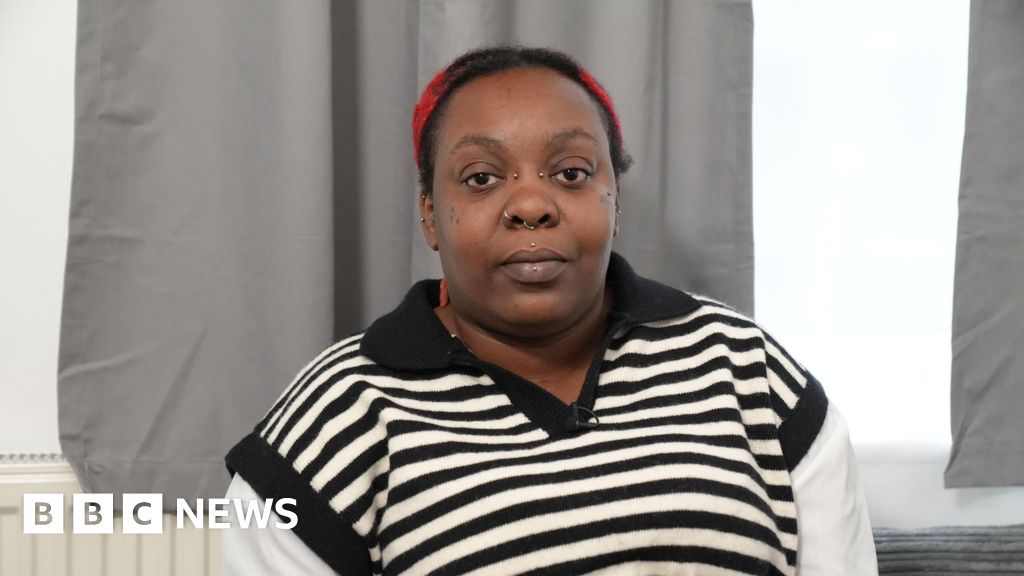
Victoria, 32, spent seven months sleeping on friends’ couches, hiding in hostel lobbies, and avoiding shelters where she feared judgment or violence. She never slept rough, never begged—so when she approached a council outreach worker last February, she was told her situation didn’t qualify for emergency accommodation. "They looked at me like I was gaming the system," she says. "No one believed I was homeless because I still had clean clothes and a phone."
Victoria’s story is not unique. A confidential survey of 147 women accessing London food banks and drop-in centers found that 43 had been turned away from homeless services in the past year despite lacking permanent housing. The research, conducted by the charity Safe Haven Shelters, reveals a widening gap in support for women who avoid shelters due to fear of stigma, domestic abuse, or lack of gender-specific safe spaces.
Key Points
- ✅ 29% of homeless women in London are invisible to official support networks
- ⚡ 43 women surveyed had been denied help by homeless services despite housing instability
- 💡 Hidden homelessness disproportionately affects women fleeing domestic violence or facing workplace discrimination
In response, the London Borough of Islington has launched a pilot program this month offering confidential housing assessments in women’s health clinics and GP surgeries. The initiative, funded by a £1.8 million grant from the Mayor’s Office for Policing and Crime, aims to identify vulnerable women before they fall into crisis. "We’re seeing women who couch-surf for years, moving between friends and acquaintances, but never accessing help because they don’t fit the stereotype," says Dr. Priya Kapoor, lead researcher at Safe Haven Shelters. "Their homelessness is invisible until it spirals into mental health breakdowns or unsafe living situations."
📋 By The Numbers
- 43% — Women in the survey who reported avoiding shelters due to past experiences of harassment or violence
- 18 months — Average duration of hidden homelessness for women surveyed
Across the UK, the problem is exacerbated by a shortage of gender-specific accommodation. The latest government data shows that only 12% of emergency shelter beds are reserved exclusively for women, despite women making up 42% of the hidden homeless population. In Manchester, the charity Women’s Haven operates a 24-hour helpline that has seen a 67% increase in calls over the past two years, with most callers citing fear of male residents in mixed shelters as their primary reason for staying hidden.
| Region | Women’s Shelter Beds Available | Demand Increase (2023) |
|---|---|---|
| London | 1,247 | +31% |
| Manchester | 389 | +67% |
| Birmingham | 521 | +45% |
Local authorities are scrambling to adapt. In Bristol, the council has partnered with private landlords to secure 50 temporary lets exclusively for women at risk of homelessness. Meanwhile, in Leeds, a new network of "quiet rooms" in libraries and community centers offers daytime respite for women who cannot access traditional shelters. "The system is built for the most visible forms of homelessness," says Councillor Amina Patel of Bristol City Council. "We’re trying to catch the women who fall through the cracks—those who are employed, who have children, who look like they have it together but are one crisis away from losing everything."
💡 Pro Tip
If you suspect someone is experiencing hidden homelessness, ask direct but sensitive questions about their living situation over a private conversation—not in front of others where they may feel exposed.
For Victoria, the turning point came when she confided in a midwife during a routine appointment. The midwife referred her to a specialist housing support worker, who helped her secure a room in a women-only hostel. "I didn’t think anyone would listen," she says. "But when someone finally saw me, it changed everything."
- 📊 62% of women in the Safe Haven survey cited fear of male violence as a reason for avoiding shelters
- 🔍 Hidden homeless women are twice as likely to report mental health issues compared to visible homeless populations
- ⚠️ Strict referral criteria at many councils exclude women who are technically "doubled up" with friends or family
The government’s upcoming Homelessness Reduction Act review, due next spring, is expected to address some of these gaps by expanding the definition of homelessness to include those at risk of losing their accommodation—regardless of whether they sleep on the streets. But activists warn that without targeted funding for women-specific services, the invisible crisis will persist. "Homelessness isn’t just a roof over your head," says Kapoor. "It’s safety, dignity, and the chance to rebuild. Right now, we’re failing half the people who need help the most."