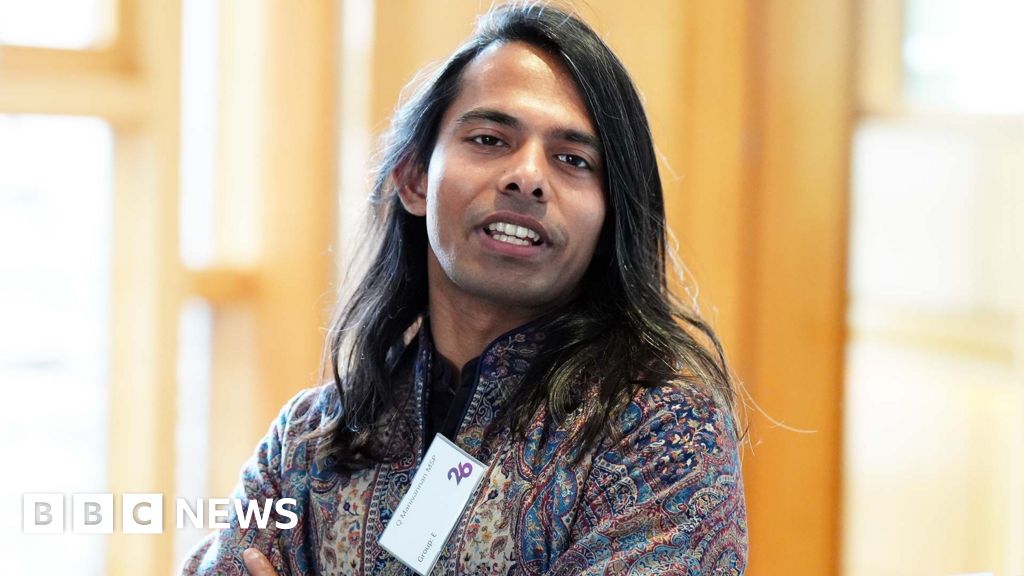
The Scottish Parliament’s newest member cannot yet claim a permanent right to live in the UK—and that has ignited a political firestorm.
Q Manivannan, elected on the Edinburgh and Lothians East regional list for the Scottish Greens, secured a seat in the May 6 vote despite holding a student visa set to expire this December. Their candidacy was made possible by a 2024 rule change allowing non-UK citizens with limited leave to remain to stand for Holyrood.
📋 By The Numbers
- 99% — Approval rate for graduate visa applications in 2023-24
- 3 years — Duration of graduate visa eligibility after PhD completion
- 5 years — Maximum term for global talent visa, covering a full parliamentary session
Manivannan, who moved to Scotland in 2021 to pursue a PhD in international relations at the University of St Andrews, has applied for both a graduate visa and a global talent visa to secure their status through the next parliamentary term. The graduate visa would allow them to stay until 2027; the global talent visa could extend their eligibility to 2029.
Opponents argue that allowing a candidate on a temporary visa to serve as an MSP undermines democratic stability. Reform UK Scotland deputy leader Thomas Kerr called the selection "madness," saying voters deserve certainty their representatives can serve a full term.
Key Points
- ✅ Manivannan is the first trans non-binary MSP in Scotland
- ⚡ Candidate applied for graduate visa; approval typically takes 8 weeks
- 💡 Rule change in 2024 allowed limited visa holders to stand for Holyrood
Former SNP leader Ian Blackford accused the Greens of "treating the electorate with contempt" by prioritizing identity over residency rights. The Scottish Conservatives have gone further, demanding the Home Office investigate whether Manivannan breached visa conditions—despite no evidence of wrongdoing and confirmation from immigration experts that parliamentary work is permitted under student visa rules.
Green co-leader Ross Greer dismissed the criticism as a coordinated smear campaign, branding it "disgusting" and accusing opponents of weaponizing immigration to silence a rising political voice.
| Concern | Critics' Claim | Legal Reality |
|---|---|---|
| Eligibility | MSP must hold indefinite leave to remain | 2024 law allows limited leave to remain |
| Work capacity | Student visa restricts work to 20 hours | MSP role exempt under Home Office policy |
| Staff hiring | Cannot hire parliamentary staff | Visa allows employment within MSP role |
Manivannan, who uses they/them pronouns and has worked with the UN and human rights organizations, framed their election as a victory for inclusion. In a statement, they said: "Every MSP voted to allow people like me to stand—people who contribute to Scotland but are often shut out of debate."
💡 Pro Tip
If you’re applying for a graduate visa after a PhD, submit paperwork at least three months before your current visa expires to avoid gaps in status.
The controversy has exposed deeper tensions over nationality and representation in devolved politics. The 2024 rule change passed unanimously, yet its real-world application has exposed gaps in public understanding—and political hypocrisy.
- 📊 The 2024 rule change was designed to reflect Scotland’s diverse population, including students and skilled workers
- 🔍 Critics conflate temporary status with inability to serve, ignoring Home Office exemptions for elected office
- ⚠️ Political opponents risk undermining democratic legitimacy by targeting a candidate’s immigration status rather than policy
The Scotland Act is clear: to hold office, an MSP must have leave to remain—but it does not require indefinite status. If Manivannan’s visa is not renewed, they would be disqualified and replaced by the next candidate on the Greens’ Edinburgh and Lothians East list.
For now, the Greens stand firm. Their message is simple: representation matters more than residency paperwork. But with legal uncertainty looming, the row risks overshadowing the historic nature of Manivannan’s election—and the values they bring to Holyrood.
📋 What’s Next?
- December 2024 — Current student visa expires
- 2025 — Expected decision on graduate visa application
- 2026 — Possible global talent visa decision window
- Any time — If no visa secured, potential by-election triggered