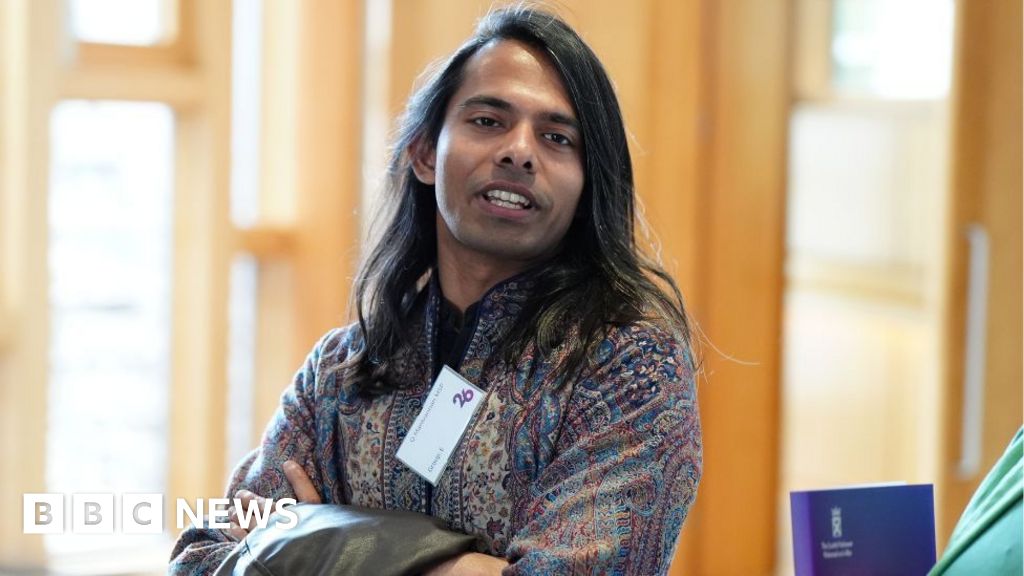
Edinburgh’s political landscape erupted Wednesday after Q Manivannan, a Green Party MSP-elect, secured a seat in the Scottish Parliament despite holding only a student visa set to expire this December. The controversy underscores a sharp divide over who should represent Scotland in Holyrood, with critics calling Manivannan’s candidacy a breach of democratic norms and supporters hailing it as a historic step for inclusivity.
Manivannan, 32, moved from India to Scotland in 2021 to pursue a PhD in international relations at the University of St Andrews. A former United Nations adviser and human rights campaigner, they secured a place on the Edinburgh and Lothians East regional list in May’s election, edging out rivals in a tightly contested race. Their victory on May 7 marked a first for the Greens, who now hold three seats in the Scottish Parliament.
Key Points
- ✅ First MSP elected on a temporary UK visa
- ⚡ Elected on Edinburgh and Lothians East regional list
- 💡 Faces potential visa renewal challenges before term ends in 2026
The row deepened after Reform UK Scotland’s deputy leader Thomas Kerr labelled Manivannan’s selection “madness,” arguing voters could not trust a representative whose long-term presence in the UK was uncertain. “Why elect someone we don’t know will be here for the next five years?” Kerr said. The Scottish Conservatives echoed the criticism, with leader Russell Findlay demanding the Home Office investigate whether Manivannan had violated visa terms by standing for office.
| Aspect | Current Rules | Critics’ View |
|---|---|---|
| Eligibility for candidacy | Extended in 2024 to non-UK citizens with limited leave to remain | Too permissive; undermines democratic stability |
| Visa compliance | Student visa allows post-study work; MSP duties exempt from work restrictions | Risk of disqualification if visa lapses |
| Constituency representation | MSPs can serve regardless of location during pandemic; rules unclear for visa-related absence | No guarantee of full-term service |
Manivannan has applied for a graduate visa, which would grant them up to three years in the UK, and a global talent visa, valid for five years. The Home Office typically processes graduate visa applications within eight weeks, with a 99% approval rate in the year ending March 2024, according to Universities UK. The global talent route, however, is far more selective, reserved for senior professionals in science, tech, or the arts.
📋 By The Numbers
- 99% — Approval rate for graduate visa applications in 2023-24
- 5 years — Maximum duration of a global talent visa
- 8 weeks — Average Home Office processing time for graduate visas
Scots Greens co-leader Ross Greer accused opponents of launching “disgusting” personal attacks, framing the scrutiny as a thinly veiled attack on immigrants. “Q is a qualified, committed advocate for justice who will fight for every community in Edinburgh,” Greer said. Manivannan themselves struck a defiant tone, stating: “Every MSP, from every party, voted to allow those with the right to live here to stand—including people on visas like me.”
💡 Pro Tip
Visa renewals for politicians should be fast-tracked by the Home Office to avoid mid-term disruptions, given the public interest in continuity of representation.
The Scotland Act complicates the situation further. It mandates that MSPs must hold leave to remain to hold office. If Manivannan’s visa lapses and renewal fails, they would be disqualified, and the Greens’ next candidate on the Edinburgh and Lothians East list would replace them. This legal safeguard has done little to quell concerns about the precedent set by their election.
- SNP’s Ian Blackford — Former Westminster leader and now on the UK Ethics Commission, called the Greens’ choice “contemptuous” of voters, arguing it erodes trust in politics.
- Green Party response — Defends Manivannan as a legitimate representative, citing the 2024 rule change as democratic progress.
- Future implications — The case could prompt further debate on whether Holyrood’s candidacy rules should revert to stricter requirements.
The controversy arrives amid broader tensions over immigration and national identity in Scotland, where the SNP and Greens have positioned themselves as progressive alternatives to Westminster’s policies. Manivannan’s election symbolises that shift—but it has also exposed fault lines in how far inclusion should stretch in public office.
- 📊 Manivannan’s candidacy reflects a 20% rise in non-UK born candidates in the 2024 election compared to 2021
- 🔍 Critics argue the 2024 rule change lacked public consultation on long-term consequences
- ⚠️ If Manivannan is disqualified, the Greens would lose one of their three seats in Holyrood