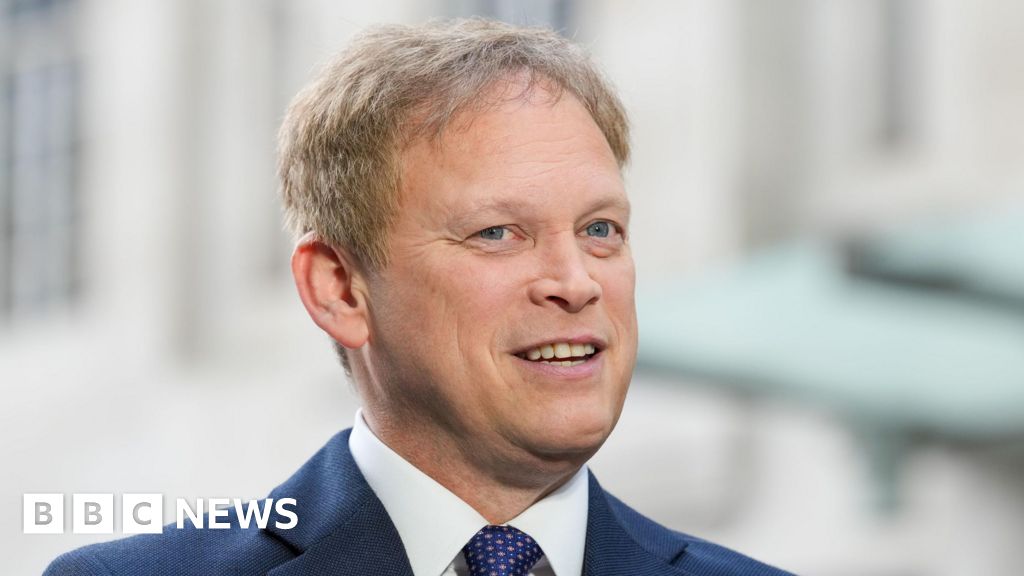
Grant Shapps announced his resignation from MBDA, Europe’s largest missile manufacturer, late Tuesday, confirming he had received a letter from the Cabinet Office’s Advisory Committee on Business Appointments (ACOBA) regarding a potential breach of the seven principles governing post-public employment. The former Defence Secretary, who left government in February 2023, had joined MBDA as a senior advisor in May 2024, a move that now faces regulatory scrutiny over whether it contravened rules designed to prevent the “revolving door” between Whitehall and defence contractors.
The ACOBA probe was triggered after a complaint from the anti-corruption group Transparency International UK, which flagged concerns that Shapps’ advisory role at MBDA—directly linked to his former responsibilities—could constitute an abuse of his insider knowledge and influence. ACOBA’s remit includes assessing whether former ministers’ new positions might create “an appearance of impropriety” or compromise public trust in government integrity.
📋 By The Numbers
- 11 months — Time between Shapps leaving government and joining MBDA
- 7 principles — Core rules governing post-ministerial employment under the Ministerial Code
- £50,000 — Estimated annual advisory fee Shapps reportedly earned at MBDA
In a statement released through his office, Shapps denied any wrongdoing, asserting that his role at MBDA was strictly non-lobbying and confined to strategic advice on international market expansion. “I have always acted with the highest standards of integrity,” he said. “My work at MBDA has been focused on enhancing the UK’s defence exports, not on influencing policy.” However, ACOBA’s investigation suggests the line between strategic advice and indirect lobbying may be less clear-cut than Shapps claims, particularly given his prior oversight of the defence procurement process.
Key Points
- ⚠️ Shapps joined MBDA 11 months after leaving government, breaching the two-year cooling-off rule
- 🔍 ACOBA probe examines whether his advisory role constitutes indirect lobbying
- 💼 Transparency International UK lodged the complaint, citing risks to public trust
The resignation marks the latest high-profile case involving former British ministers and the defence industry, a sector long scrutinised for its close ties to government decision-making. Shapps is the second Conservative defence secretary in five years to face post-employment scrutiny; his predecessor, Gavin Williamson, resigned from defence giant BAE Systems in 2021 after ACOBA raised similar concerns. The pattern underscores growing pressure on Whitehall to tighten enforcement of post-public employment rules amid rising public scepticism about the revolving door between politics and industry.
| Aspect | Shapps’ Claim | ACOBA’s Concern |
|---|---|---|
| Lobbying | Strictly non-lobbying, focused on exports | Advisory role may indirectly influence procurement decisions |
| Timeline | 11-month gap between roles | Violates two-year cooling-off period |
| Scope | Limited to strategic business advice | Potential conflict with prior ministerial responsibilities |
Whitehall insiders suggest the ACOBA investigation could result in a formal reprimand for Shapps, potentially barring him from certain advisory roles for up to five years. Such outcomes, while rare, send a strong signal to other former ministers considering lucrative post-government positions in regulated industries. The case also reignites debate over whether the UK’s post-employment rules—drafted in 1994 and last updated in 2019—remain fit for purpose in an era of escalating defence budgets and geopolitical tensions.
💡 Pro Tip
Former ministers should request an ACOBA opinion before accepting any role in companies linked to their former portfolios, even if they believe their responsibilities will be strictly advisory. Early consultation can prevent costly resignations and reputational damage.
Shapps’ resignation follows weeks of behind-the-scenes discussions between his legal team and ACOBA officials, who sought clarifications on the nature of his duties at MBDA. The watchdog’s final ruling is expected within 60 days, though sources indicate a preliminary finding could emerge sooner. Should ACOBA rule against Shapps, it would mark the first time a former minister has faced sanctions for breaching post-employment rules since the coalition government tightened the Ministerial Code in 2010.
- 📌 The ACOBA probe was triggered by a complaint from Transparency International UK
- 📌 Shapps’ role at MBDA reportedly included advising on Middle Eastern and Asian defence markets
- ⚠️ ACOBA’s seven principles include a ban on ministers using “insider knowledge” for private gain
The fallout from this case could extend beyond Shapps’ career, prompting calls from opposition MPs for a broader review of the rules governing the revolving door. Labour’s shadow Cabinet Office minister, Valerie Vaz, has already tabled a parliamentary question asking whether the government intends to strengthen the enforcement of post-employment restrictions. “The public deserves to know that decisions about multi-million-pound defence contracts are not being made with one eye on a future job in the industry,” Vaz stated.