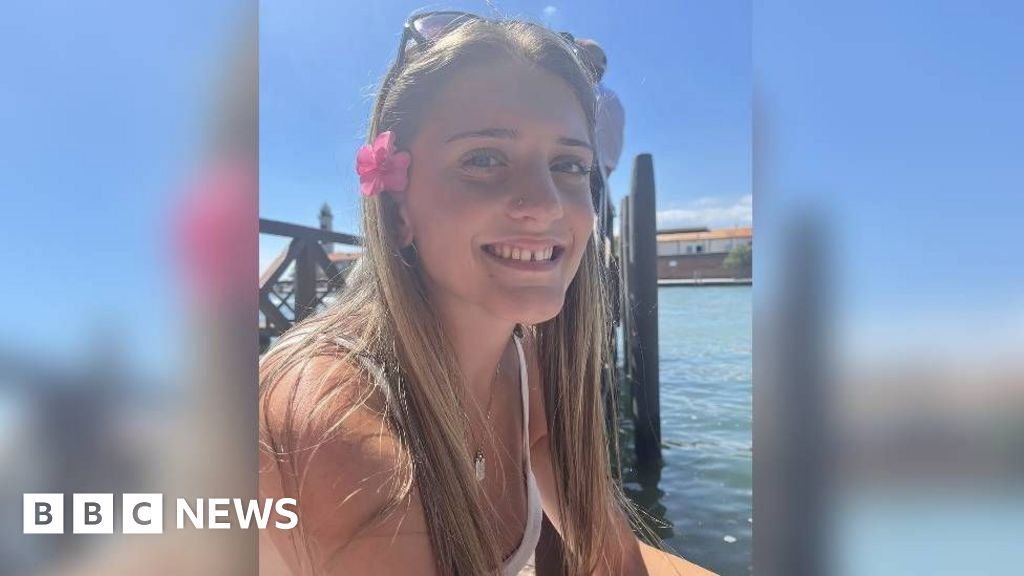
An 18-year-old woman from Canterbury has become the second teenager to die in a meningitis outbreak sweeping through Kent this month, leaving health officials scrambling to trace hundreds of exposed individuals.
Local health authorities confirmed the latest fatality on Monday night, identifying the victim as Emily Carter, a first-year university student who had attended a large music festival in Folkestone just days before symptoms appeared.
The first fatality, 17-year-old Jake Morris of Maidstone, was announced last Wednesday after he succumbed to the same strain of meningitis B. Both cases involved Neisseria meningitidis, the bacteria responsible for the most aggressive form of the disease, which can kill within hours if untreated.
📋 By The Numbers
- 300+ — Close contacts of infected individuals given preventive antibiotics
- 1 in 10 — Mortality rate for untreated meningococcal disease
- 48 hours — Critical window for antibiotic intervention post-exposure
Public Health England has dispatched mobile teams to administer ciprofloxacin to friends, family members and classmates of both victims, prioritizing those who shared confined spaces with the teenagers in the week leading up to their diagnoses. The antibiotic regimen is 90% effective at preventing secondary infections when taken within two days of exposure.
| Contact Tracing Action | Scope | Timeframe |
|---|---|---|
| Antibiotic distribution | 300+ individuals | Within 48 hours |
| Public health alerts | Kent schools and universities | Ongoing |
| Meningitis vaccination drives | Targeted at high-risk groups | Planned for November |
The outbreak has triggered an emergency response from Kent County Council and the UK Health Security Agency, with local GP surgeries remaining open late for urgent consultations. Health Minister Victoria Atkins is expected to hold a press conference Tuesday morning to address concerns over vaccine shortages and the strain on emergency services.
💡 Pro Tip
Anyone who shared airspace with the victims—whether in classrooms, dorms or public transport—should seek immediate medical advice regardless of symptoms, as early intervention can prevent irreversible damage or death.
Meningitis Now, the national charity supporting survivors and families, has launched a helpline for affected communities, reporting a surge in calls from anxious parents and students. Chief Executive Tom Nutt warned that delays in diagnosis remain the biggest risk factor, urging families to trust their instincts over official guidance when symptoms such as severe headache, neck stiffness or a distinctive rash appear.
Key Points
- ✅ Two teenagers dead in Kent meningitis B outbreak since October 9
- ⚡ 300+ contacts given antibiotics within 48 hours of exposure
- 💡 Neisseria meningitidis strain confirmed in both cases
Survivors of the disease have described the infection as feeling like "being hit by a truck," with long-term complications including hearing loss, limb amputations and cognitive impairment. Public health officials are urging unvaccinated individuals aged 15 to 25 to receive the MenACWY vaccine, which covers the B strain responsible for this outbreak, at their earliest opportunity.
Local schools in Canterbury and Maidstone have temporarily suspended large gatherings, while the University of Kent has moved lectures online for the remainder of the week. The outbreak coincides with a national shortage of penicillin-based antibiotics, though health chiefs insist alternative treatments remain available for urgent cases.
- 📊 Only 35% of 18-year-olds in Kent have received the MenACWY vaccine
- 🔍 The B strain accounts for 60% of UK meningitis cases in under-25s
- ⚠️ Delays in antibiotic distribution could lead to further fatalities
