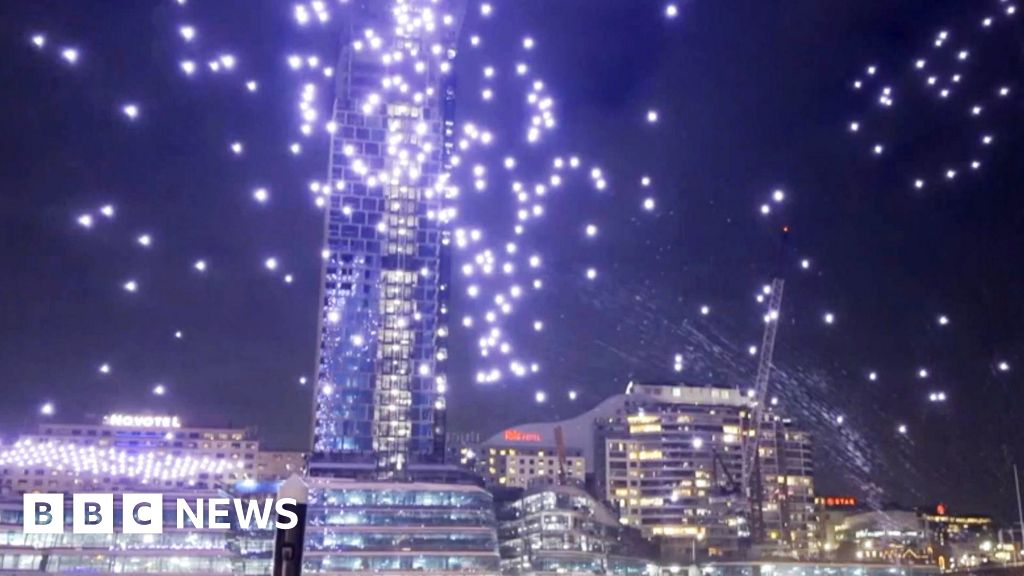
A technical malfunction sent 87 drones plummeting into Sydney Harbour on Monday evening, cutting short the iconic Vivid Sydney light festival just hours after it began. The incident occurred during the festival’s signature drone light show in Darling Harbour, where the synchronized fleet was scheduled to perform its final sequence of the night. Instead, witnesses described a chaotic scene as drones lost control, spiraling downward and splashing into the water below.
Organizers confirmed the failure was due to "unforeseen technical difficulties" with the drone system, though they declined to specify whether the issue stemmed from software, hardware, or environmental factors such as wind. Vivid Sydney, a three-week festival known for its immersive light installations, immediately suspended all aerial displays pending an investigation. Two scheduled drone shows for Tuesday were canceled as a precaution.
💡 Pro Tip
Festival organizers should conduct dry runs of drone displays under worst-case weather conditions and have emergency protocols for immediate water retrieval to minimize environmental and safety risks.
Attendees at the waterfront recounted the eerie silence that followed the malfunction, as the once-vibrant sky darkened and drones sank beneath the surface. "It was surreal," said local resident Priya Mehta. "One minute we were watching the show, the next—just a flurry of lights going down like shooting stars, but then they hit the water." Emergency crews were deployed to secure the area and recover the drones, though none were recovered by press time.
Key Points
- ⚠️ 87 drones failed during the Vivid Sydney drone light show on May 27
- 🌊 Drones plunged into Sydney Harbour, forcing the cancellation of two upcoming shows
- 🔍 Organizers cited "unforeseen technical difficulties" and followed standard safety protocols
Vivid Sydney’s managing director, Sarah Langford, issued a public apology on Tuesday, acknowledging the "disappointment and inconvenience" caused to over 12,000 attendees. "The safety of our audience and crew is paramount," Langford stated. "We are working with the drone operators and civil aviation authorities to determine the cause and prevent any recurrence." Transport for NSW confirmed it was reviewing the incident to assess whether aviation regulations for drone swarms over waterways need tightening.
| Aspect | Official Statement | Independent Analysis |
|---|---|---|
| Cause of Failure | Unforeseen technical difficulties | Software glitch or sensor overload likely |
| Impact on Festival | Two shows canceled; rest of schedule under review | Reputation risk to Vivid Sydney’s innovation claims |
| Safety Protocols | Followed standard emergency procedures | Lack of failsafe for water recovery noted |
The incident has reignited debate over the rapid expansion of drone light shows in urban festivals, particularly over water where recovery is difficult. Last year, Vivid Sydney featured 350 drones without incident, but Monday’s failure marks the largest drone malfunction in the festival’s 15-year history. Environmental groups have also raised concerns about potential harm to marine life from the lithium-ion batteries used in the drones, though no leakage or wildlife injuries have been reported.
📋 By The Numbers
- 15 years — Vivid Sydney has used drones in its light shows since 2010
- 350 drones — Maximum number used in a single Vivid Sydney performance before Monday
- $2.3 million — Estimated cost of the canceled drone shows and incident response
Civil aviation experts suggest that drone swarm failures are rare but can escalate quickly due to the complexity of synchronizing hundreds of units. "When you’re managing that many moving parts, a single point of failure can cascade," said Dr. Lin Zhao, a robotics engineer at the University of Sydney. Industry insiders note that while such incidents are uncommon, they highlight the need for stricter pre-flight testing and real-time monitoring systems. Vivid Sydney has not yet announced whether the festival will proceed with alternative drone displays or pivot to ground-based installations for the remainder of the event.