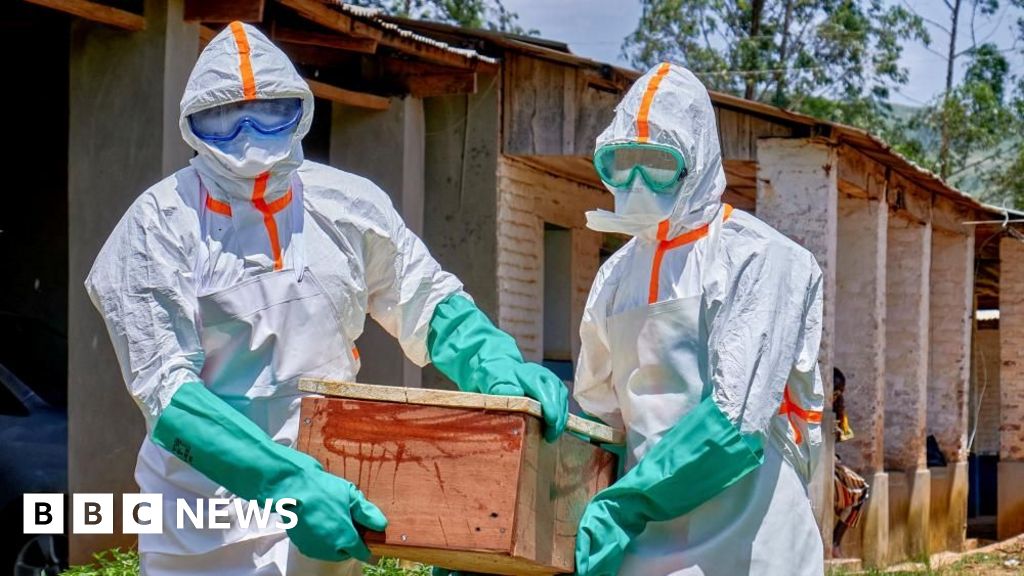
Gunshots cracked through the humid evening air outside the Mongwalu Ebola Treatment Centre on Thursday, sending terrified residents sprinting for cover as uniformed officers aimed rifles skyward. The confrontation erupted when hundreds of mourners, many wailing and clutching soiled burial shrouds, stormed the facility’s perimeter demanding the immediate return of bodies they claimed had been taken without proper Islamic rites. Eyewitness accounts from two Mongwalu-based journalists describe a scene of raw fury: protesters hurling stones, chanting religious pleas, and attempting to scale the perimeter fence while police formed a human barrier.
Interior Ministry spokesman Jean-Pierre Mwema confirmed the deployment of rapid-response units and admitted live ammunition was discharged to prevent the crowd from breaching the facility. "We had no option but to protect the centre and maintain public order," Mwema told reporters, adding that the deceased had already been safely transferred to a designated morgue. Local health workers, who spoke on condition of anonymity, described a breakdown in trust between communities and health authorities, fueled by decades of neglect and misinformation about Ebola protocols.
💡 Pro Tip
Community elders should be engaged before any body retrieval to avoid escalation and respect cultural sensitivities.
Mongwalu, a gold-mining hub in Ituri Province, has become a flashpoint for epidemic-related violence. Just last month, an attack on a Red Cross burial team left two volunteers injured and forced the suspension of safe burials. The World Health Organization has logged 216 Ebola cases and 142 fatalities across Ituri this year, with Mongwalu’s caseload representing nearly one-fifth of the total. Health officials warn that violent interference with treatment centres and burials risks prolonging transmission chains and undermines efforts to declare the outbreak over.
📋 By The Numbers
- 216 — Total Ebola cases recorded in Ituri Province in 2024
- 142 — Confirmed deaths, including 37 in Mongwalu
- 9 — Burial teams suspended in Ituri due to security threats
Residents allege that healthcare workers have failed to distinguish between medical care and cultural desecration, pointing to a history of forced cremations and insensitive handling of bodies. One elderly mourner shouted through a megaphone, "They take our loved ones like criminals, then lock the gates. Is this Ebola treatment or a death sentence?" The World Health Organization’s Dr. Amina Banza confirmed that all bodies at the centre had tested negative for Ebola and were awaiting Islamic burial rites coordinated with local authorities, but conceded that communication failures had deepened community distrust.
Key Points
- ⚠️ Police fired live rounds in Mongwalu after crowds stormed an Ebola treatment centre
- 🔍 Mourners demanded bodies of relatives they claimed were improperly handled
- ✅ WHO confirms all deceased tested negative; burials coordinated with local leaders
The standoff lasted nearly two hours before riot police, reinforced by army units, cleared the area using tear gas and baton charges. No fatalities were reported, but three police officers and six civilians were hospitalized for minor injuries. Governor Sophie Kenga has called for an immediate investigation into the incident and urged community leaders to facilitate dialogue. "This is not just a health crisis; it is a crisis of confidence," Kenga stated. Médecins Sans Frontières, which operates a nearby isolation unit, has suspended all non-emergency services in Mongwalu pending a security review. The organisation’s Congo director warned that further violence could trigger a full withdrawal, leaving 12,000 people without access to critical care.
| Response | Government | WHO | Community |
|---|---|---|---|
| Body handling | Coordinated with local officials | Negative test results confirmed | Demands immediate return |
| Security | Live rounds deployed | No comment on policing | Protests escalate |
| Communication | Investigation announced | Engaging elders | Distrust persists |
The episode underscores the fragile balance between epidemic control and cultural respect in eastern DR Congo. Aid workers describe Mongwalu as a microcosm of a broader failure to integrate local customs into global health strategies, a gap that has repeatedly sabotaged containment efforts. Without urgent trust-building measures, health officials fear the outbreak could spiral beyond control, dragging the region back into a cycle of fear, violence, and avoidable death.