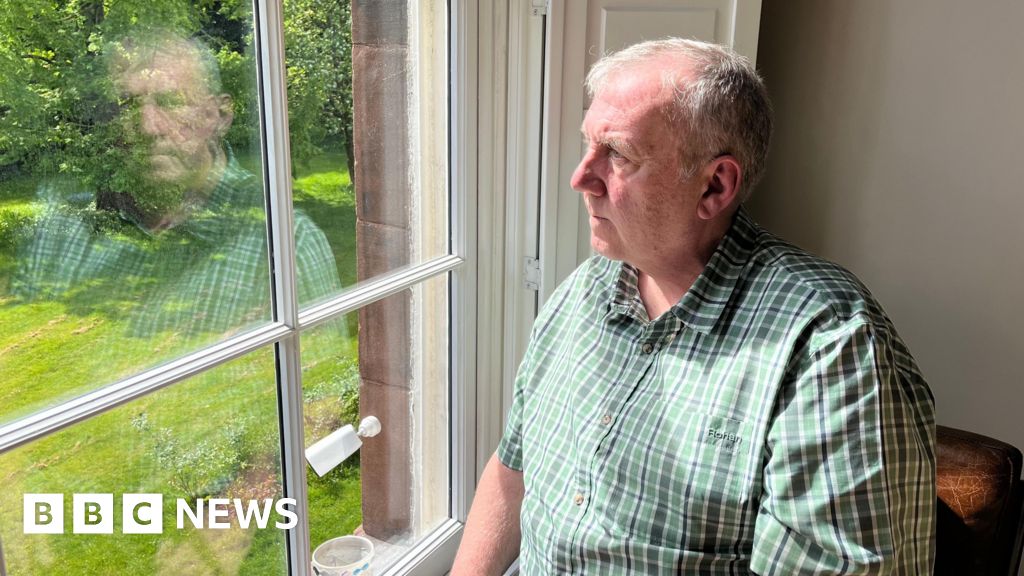
Manchester-based warehouse operative **Daniel Carter** has been awarded £329,000 in damages and lost earnings after a landmark employment tribunal ruled that his former employer, **LogiTech Solutions Ltd**, installed hidden cameras in his workspace without consent. The 38-year-old, who has mobility impairments, was sacked in July 2023 after footage allegedly showed him struggling to perform tasks—an explanation his legal team called 'fabricated'.
Carter’s case hinged on evidence uncovered during disclosure in the tribunal, where solicitors found timestamps and metadata proving the cameras were active on days he was legally absent due to disability-related health appointments. His legal team at **RightToWork Law** argued the surveillance breached the **Data Protection Act 2018** and the **Equality Act 2010**, as no risk assessment or reasonable justification was provided for monitoring a disabled employee.
Key Points
- ✅ **£329,000 payout** — highest recorded award for covert workplace surveillance in the UK
- ⚡ **Hidden cameras** — installed without Carter’s knowledge or consent
- 💡 **Disability discrimination** — dismissal linked to health-related absences
LogiTech Solutions Ltd, a logistics firm based in Trafford Park, denied wrongdoing but admitted to using the cameras as part of a 'productivity review'. Their legal representative argued the surveillance was 'standard industry practice', though tribunal documents dismissed this as 'unsubstantiated' and 'unlawful'. The company has since revoked its monitoring policy and agreed to a full audit of its data practices under court order.
| Aspect | Carter’s Account | LogiTech’s Claim |
|---|---|---|
| Camera Installation | Unauthorised, no disclosure or risk assessment | Part of routine performance review |
| Reason for Dismissal | Health-related absences, fabricated evidence | Inability to meet productivity targets |
| Compensation | £329,000 awarded | No admission of liability |
Employment tribunals rarely reach high-value settlements in privacy cases, making Carter’s victory a legal milestone. His solicitor, **Aisha Malik**, described the ruling as a 'clear warning to employers' that unlawful surveillance will not go unchallenged. 'This case proves that workers with disabilities are entitled to the same protections as everyone else—and that includes privacy in the workplace,' Malik said.
📋 By The Numbers
- £329,000 — Total compensation including £119k for injury to feelings
- 18 months — Duration of the tribunal case
- 38 — Age of Daniel Carter
Carter’s ordeal began in early 2022 when his line manager, **Gary Whitmore**, requested 'additional oversight' due to 'concerns about output'. Within months, Carter’s shifts were scrutinised, and he was placed on a performance improvement plan. His legal team later discovered that the cameras, disguised as smoke detectors, were operational even on days he was absent for medical reasons. Whitmore has since resigned from LogiTech amid the fallout.
💡 Pro Tip
Employers conducting workplace monitoring must ensure full transparency, documented risk assessments, and compliance with data protection laws. Workers who suspect covert surveillance should request full disclosure and seek legal advice immediately.
In a statement released after the ruling, LogiTech said it 'regrets any unintended consequences' and is reviewing its HR policies. However, Carter’s legal team has called for a formal investigation into whether the company breached additional regulations, including the **Protection from Harassment Act 1997**. The Equality and Human Rights Commission (EHRC) has confirmed it is assessing the ruling for potential systemic implications.
- July 2023 — Carter dismissed after alleged 'poor performance'
- October 2023 — Tribunal application filed
- March 2024 — Disclosure reveals camera footage discrepancies
- June 2024 — £329,000 settlement agreed
- July 2024 — LogiTech ordered to audit data practices
Carter, who has since found new employment, said the payout would help secure his future but stressed that no amount could compensate for the 'violation of trust'. 'They made me feel like I wasn’t even a person,' he said. 'I hope this changes things for others like me.'
