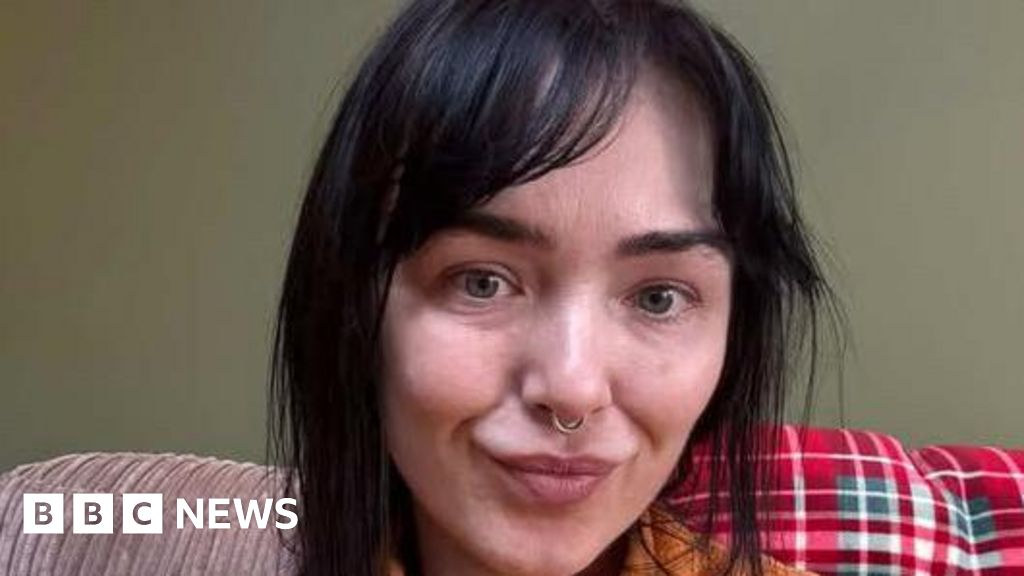
For 14-year-old Gemma Ahern, May 12, 2010, was the day her life shattered. The teenager watched, frozen in horror, as her father, Paul Ahern, repeatedly plunged a kitchen knife into her mother, Susan Ahern, 36 times in their Colchester home. The attack lasted 12 minutes before paramedics found Susan bleeding out on the kitchen floor. She died en route to hospital.
Paul Ahern was arrested at the scene, convicted of murder in March 2011, and sentenced to life imprisonment with a minimum term of 22 years. By the time he walked free on parole in March 2023, Gemma had turned 27—old enough to leave home, but not old enough to escape the shadow of what happened. Yet the justice system’s failure to protect her didn’t end with his release. In a cruel twist, she was forced to move back into the same house where her mother was killed, now cohabiting with the man who ended her life.
Key Points
- ⚖️ Paul Ahern convicted of murdering Susan Ahern in 2011
- ⏳ Served 12 years before parole; released March 2023
- 🏠 Gemma returned to family home after his release
The case has reignited debate over the UK’s approach to domestic homicide parole and the rights of victims’ families. Official records show Paul Ahern was granted parole despite objections from probation officials and the Parole Board’s own psychologist, who warned of his “unresolved anger issues.” The decision cited his “good behavior” in prison and a questionable risk assessment that deemed him no longer a threat to the public.
| Factor | Parole Board Assessment | Victim Advocate Report |
|---|---|---|
| Behavior in Prison | Described as “exemplary” | Records show 17 disciplinary infractions, including assaults |
| Psychological Evaluation | Concluded “low risk of reoffending” | Flagged “chronic inability to manage aggression” |
| Victim Impact Statement | Not considered in release decision | Gemma’s statement described ongoing trauma and fear |
Gemma’s ordeal didn’t end with the move. She describes a daily battle for peace in a home where the walls still echo with her mother’s voice. “I wake up to the sound of the front door opening and freeze,” she said. “I expect to see her carrying shopping bags, asking if I’ve eaten. Instead, it’s him—same hands that did this.” Neighbors reported hearing Gemma scream on multiple occasions, prompting police welfare checks, but no action was taken to relocate her.
📋 By The Numbers
- 17 — Disciplinary incidents logged against Paul Ahern during incarceration
- 0 — Times victim impact statements were submitted to the Parole Board in his case
- 12 — Months between his parole and Gemma’s forced relocation
Charities warn this is not an isolated case. Since 2019, at least 18 domestic murderers have been released on parole in the UK, with victims’ families reporting similar pressures to reconcile with their attackers. The Ministry of Justice confirmed it is reviewing parole guidelines for domestic homicide cases, but no timeline has been set for changes.
💡 Pro Tip
Victim advocacy groups recommend families of domestic homicide victims request a “victim liaison officer” immediately upon offender incarceration to monitor parole progress and demand inclusion in risk assessments.
Gemma is now pursuing legal action to force her local council to provide alternative housing, arguing that the state violated its duty of care when it failed to protect her from further harm. Her solicitor, Sarah Whitmore of Victim Support UK, calls the situation Kafkaesque. “We’re asking a woman who witnessed her mother’s murder to share a home with the killer. How is that justice?” she asks. The council has not responded to requests for comment.
- 🔄 Since 2019, 18 domestic murderers released on parole in UK
- ⚖️ No national policy barring offenders from returning to crime scene homes
- 🚨 Police welfare checks triggered but no relocation enforced
As the legal battle intensifies, Gemma is sharing her story for the first time, hoping to pressure policymakers before another family faces the same nightmare. “I don’t want other children to have to live like this,” she says. “Not in the house. Not with him. Not ever.”
