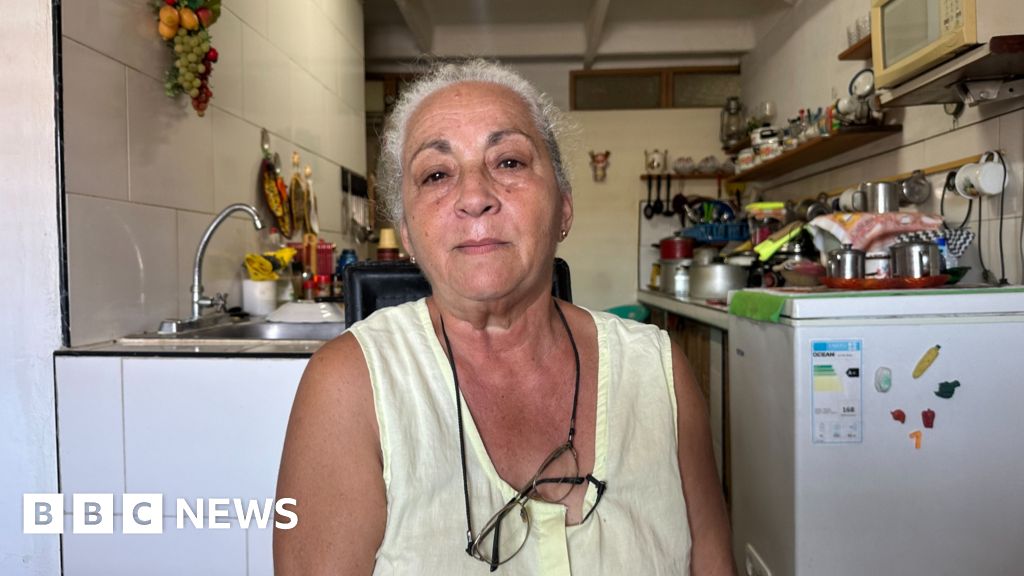
Cuba is enduring its most severe blackouts in decades, with residents in Havana and Santiago de Cuba reporting power outages stretching up to eight hours daily. The crisis has paralyzed hospitals, disrupted water supplies, and shuttered schools as fuel shortages cripple the nation’s aging power grid. Government sources confirm that chronic shortages of diesel and crude oil have forced three of the country’s four refineries to suspend operations, cutting domestic fuel output by 60 percent since January.
On the same day the power cuts intensified, a Havana court formally charged former President Raúl Castro with murder in connection to a 1989 incident that left two men dead during a military operation in eastern Cuba. The case, previously sealed under state secrecy, was unsealed last week following a rare judicial review ordered by Cuba’s attorney general. Castro, who stepped down as president in 2018 and head of the Communist Party in 2021, has not commented publicly. His attorney declined to respond to questions.
| Facet | 2023 Baseline | July 2024 |
|---|---|---|
| Daily blackout duration (Havana) | 4 hours | 8 hours |
| Refinery operational capacity | 100% | 30% |
| Diesel imports (metric tons) | 12,000 | 4,500 |
| Hospital generator availability | 90% | 55% |
Fuel imports have dropped sharply since the U.S. Treasury Department expanded sanctions in May, targeting vessels carrying Venezuelan oil to Cuba. Data from Cuba’s National Bureau of Statistics shows a 42 percent decline in oil shipments from Venezuela since the restrictions took effect. Venezuela, Cuba’s primary oil supplier, has reduced exports to the island amid pressure from Washington to curb ties with Havana. The U.S. State Department confirmed that sanctions are aimed at cutting off revenue to the Cuban government, but denied any intent to worsen humanitarian conditions.
Key Points
- ⚡ Blackouts now last up to eight hours daily in Havana and Santiago de Cuba
- 🔋 Three of four Cuban refineries shut down, slashing domestic fuel output by 60%
- ⚠️ Hospitals report generator availability dropping from 90% to 55%
The fuel shortage has forced Cuba’s Ministry of Transportation to cancel 40 percent of intercity bus routes and suspend urban transit in several provinces. In Havana, residents wait for hours at gas stations, where lines stretch for blocks and rationing limits purchases to 5 liters per person. A 24-year-old Havana resident, who asked not to be named, said, “We used to have power from 6 p.m. to midnight. Now it’s gone by 8 a.m.” State media has acknowledged the crisis but blamed it on “external aggression” and “blockade measures.”
💡 Pro Tip
Keep a charged power bank and portable lantern in case blackouts extend beyond nighttime hours. Avoid using appliances during peak outage periods to reduce strain on backup generators.
Independent economists warn that without a rapid infusion of foreign fuel or a reversal of U.S. sanctions, power cuts could worsen through the hurricane season, which begins next month. The Cuban government has pledged to import fuel from alternative sources, including Algeria and Russia, but logistics and financing remain unresolved. The European Union has called for dialogue but stopped short of easing its own sanctions on Havana. Meanwhile, protests have erupted in at least three provinces over food and medicine shortages, which have also been exacerbated by the fuel crisis. Security forces have responded with arrests and internet restrictions in affected areas.
📋 By The Numbers
- 42% — Drop in Venezuelan oil imports to Cuba since May sanctions
- 60% — Reduction in domestic refinery operations since January
- 18 — Cuban provinces reporting active protests over shortages
As Cuba navigates its most severe economic and energy crisis in years, the intersection of internal mismanagement, external sanctions, and geopolitical pressure has left the nation on the brink of a humanitarian tipping point. The murder charge against Raúl Castro adds a rare legal dimension to the turmoil, signaling possible internal fractures within Cuba’s leadership as the country struggles to keep the lights on.