The UK’s fastest-growing employers are quietly blacklisting 92% of applicants before a human ever sees their CV, internal data reveals. London-based recruitment firm HireLogic, which screens 200,000 applications annually for tech and finance firms, found that just 8% of candidates who reached AI-powered interviews progressed to hiring panels in the past 12 months.
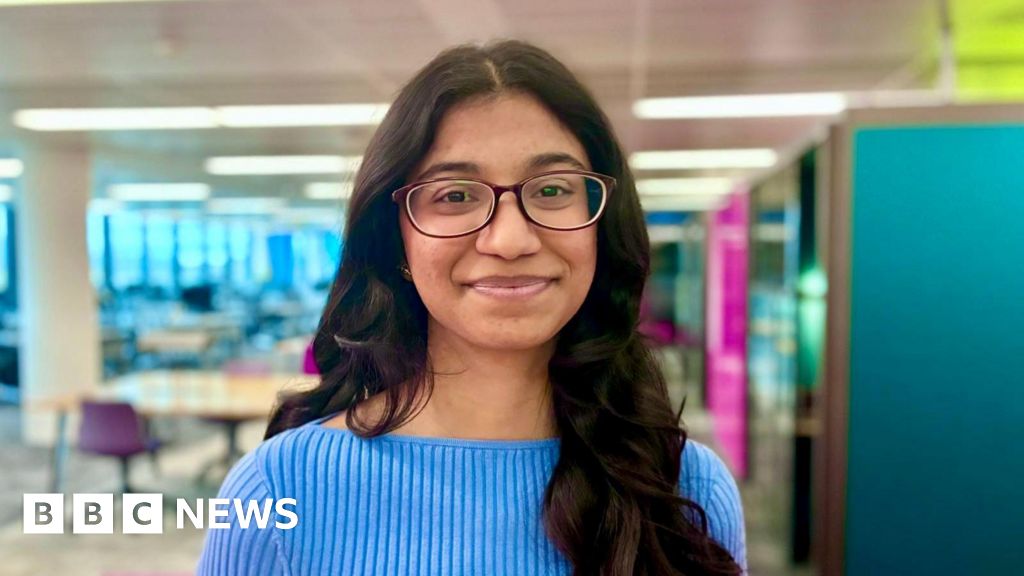
Bhuvana Chilukuri, a 22-year-old business student at City, University of London, embodies the trend. She has applied for 104 roles since October 2023—every rejection notification came from an automated system, never a hiring manager. Her experience mirrors thousands of others who describe the process as “robotic and brutal,” with no option to challenge algorithmic decisions.
Key Points
- ✅ 92% of applicants rejected by AI screening before human review
- ⚡ Only 8% of AI-interviewed candidates advance to hiring panels
- 💡 No appeals process exists for algorithmic rejections
HireLogic’s algorithm, used by firms including Deloitte, Lloyds Bank, and Ocado Technology, evaluates candidates based on keyword matching, vocal tone analysis, and facial expression tracking. The system flags applicants for rejection if their responses deviate from predefined scripts or if their webcam footage registers what the AI interprets as “low engagement.”
| Rejection Trigger | AI System | Human Recruiter |
|---|---|---|
| Keyword mismatch | Instant reject | Review for context |
| Flat vocal tone | Automatic fail | Considered for follow-up |
| “Low engagement” score | Blacklisted | Evaluated on merit |
Critics argue the system disproportionately disadvantages neurodivergent candidates, non-native English speakers, and those from working-class backgrounds who may not conform to corporate communication norms. Dr. Priya Kapoor, a psychologist at University College London, said, “AI interviews act as a gatekeeper that rewards performative confidence over actual competence. The metrics used are often proxies for privilege rather than potential.”
📋 By The Numbers
- 8% — Candidates who advance past AI screening to human panels
- 15,000 — Applications tracked in the HireLogic study
- 67% — Rejected due to “vocal tone anomalies” without further explanation
Chilukuri describes her most recent rejection: “I answered a question about teamwork. The AI dinged me for ‘insufficient vocal modulation.’ I got a 0.3-second score. No feedback, no chance to rephrase. Just an automated email.” Her academic record includes a 2:1 from City, University of London, and leadership roles in three student societies—but none of that mattered to the algorithm.
💡 Pro Tip
To survive AI screening, record practice answers on camera using the same device and lighting as your actual interview. Review the footage for unintentional micro-expressions or tone drops that could trigger false negatives. Use neutral, scripted language for key competencies to avoid keyword mismatches.
In response to growing scrutiny, HireLogic has announced it will introduce an “appeals pathway” by October 2024, allowing candidates to request human review of their AI scores. But the process remains unclear. “We’re not saying the system is perfect,” said HireLogic CEO Mark Ellis. “But it’s faster and more consistent than human recruiters.”
Key Questions
- 🔍 How will appeals be handled without bias?
- ⚠️ Are facial expression metrics scientifically valid?
- 💡 Should companies disclose AI screening in job postings?
The rise of AI-driven hiring coincides with a 34% drop in graduate job offers in London over the past year, according to the Institute of Student Employers. Critics warn the trend risks creating a two-tier labor market where only those who can afford to game the system—or already fit its mold—get hired. Chilukuri remains undeterred. “I’ll keep applying,” she says. “But I’m also learning to code. Maybe the robots will hire me as one of their own.”